


Absence of Rebuttal Testimony Leads to Adverse Inference Against Truck Driver: Gujarat High Court
 Copy Link
 Share
 Save
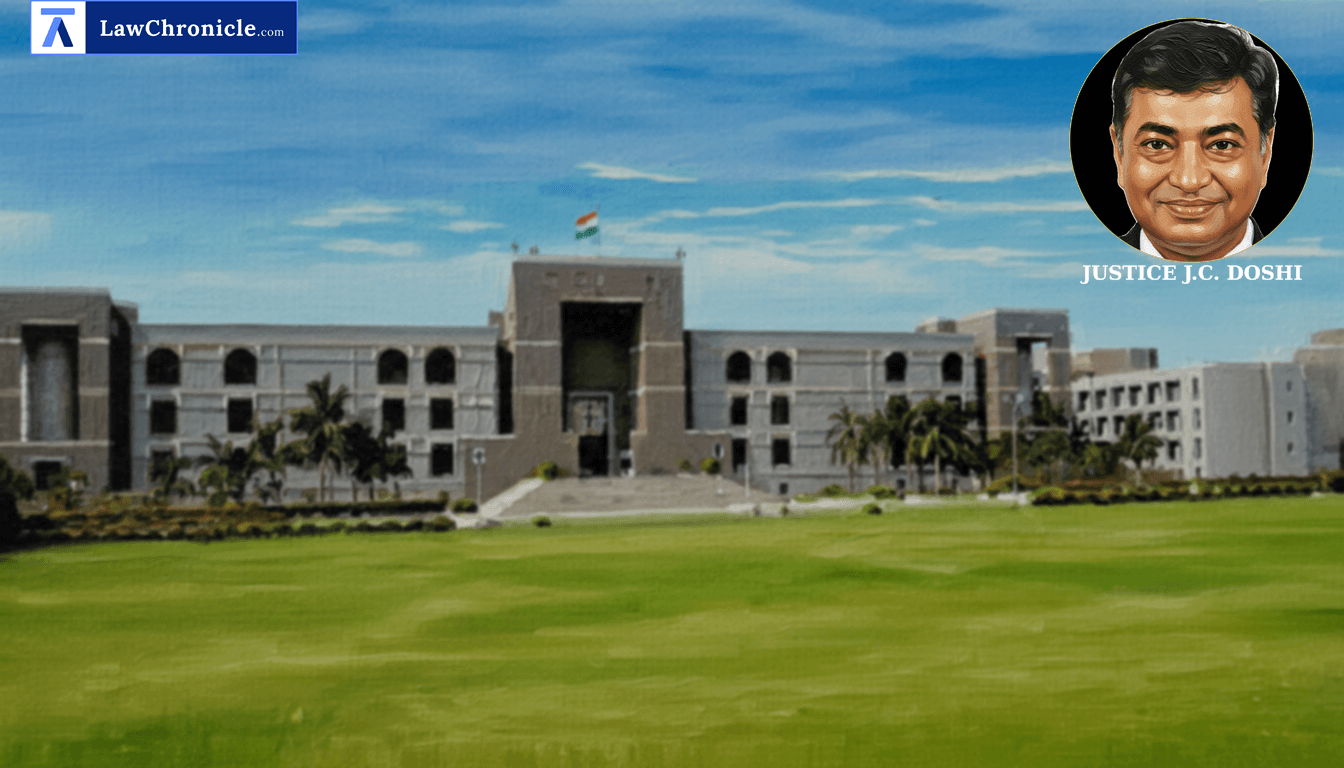
In a significant ruling for motor accident claimants, the Gujarat High Court has drastically reduced the contributory negligence attributed to a deceased car driver from 40% to 10%, holding that a driver's failure to enter the witness box warrants a strong adverse inference against them. The decision establishes that where physical evidence shows a vehicle was parked or driven in the middle of a road without hazard indicators, the absence of testimony from the offending driver solidifies their status as the primary tortfeasor.
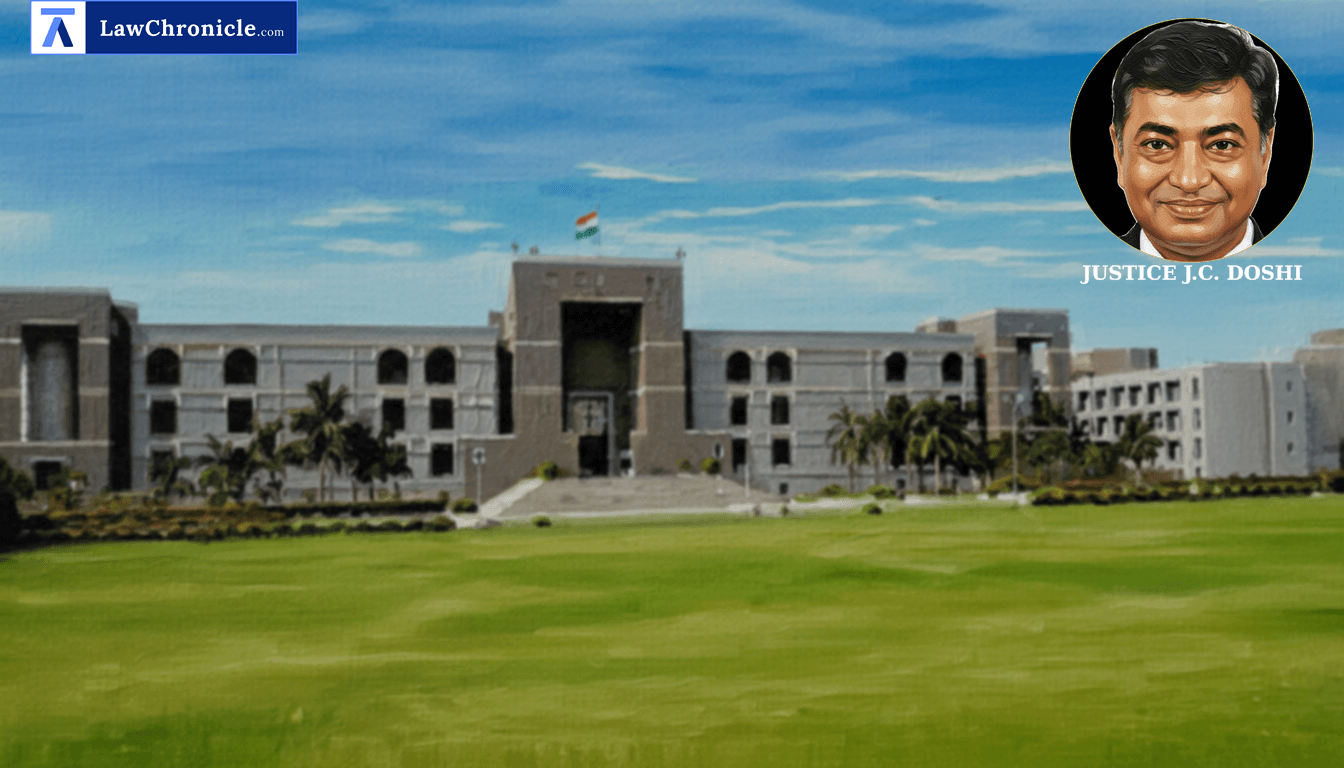
Justice J. C. Doshi presided over the appeal challenging a Tribunal's award, re-evaluating the negligence and quantum of compensation in light of established precedents on future prospects and consortium.
Key Takeaways
Adverse Inference Rule
Failure of an offending vehicle's driver to contest the claim or provide testimony allows courts to draw a strong adverse inference regarding their negligence.
Documentary Primacy over Assumptions
Police papers, FIRs, and Spot Panchnamas must dictate the determination of the point of impact rather than judicial conjectures or assumptions about night driving.
Standardized Compensation Metrics
Compensation for future prospects and non-pecuniary heads must strictly follow the frameworks established by the Supreme Court to ensure uniformity and justice.
Court Re-evaluates Contributory Negligence and Quantum
The Court noted that the Motor Accident Claims Tribunal had originally attributed 40% negligence to the deceased based on the assumption that night driving requires sudden braking. However, the High Court found that the Indigo car was on its correct side, while the truck was in the middle of the road without parking lights.
The Court, in its reasoning, observed: "The driver of the offending vehicle truck did not enter into the witness box and thus, it is a fit case to draw adverse inference. Even, the truck driver did not contest the claim petition and deny the averments and allegations made in the claim petition. The police papers, the First Information Report, the panchnama of the scene of the accident and the other contemporaneous documentary evidence read together with the oral testimony of the witnesses, would assist the Tribunal in determining the point of impact, the position of the vehicles on the road and whether either vehicle was being driven on the wrong side of the road."
Regarding the compensation, the Court relied on National Insurance Company Ltd. Vs. Pranay Shethi ( "(2017) 16 SCC 680": 2017 CaseBase(SC) 551) to award future prospects and United India Insurance Co. Ltd., versus Satinder Kaur @ Satwinder Kaur ( "(2021) 11 SCC 780": 2020 CaseBase(SC) 22) for loss of consortium. It emphasized that income tax returns for preceding years constitute a vital evidentiary basis for determining annual income when a deceased was self-employed.
The Court has the following directions:
"The Insurance Company is directed to deposit the enhanced amount with interest as stated herein above within a period of eight weeks from the date of receipt of this order. Rest of the direction(s) of the Tribunal remain same. The Tribunal shall disburse the entire awarded amount lying in the FDR and/or with the Tribunal, with accrued interest thereon, if any, to the claimants, by account payee cheque / NEFT / RTGS, after proper verification and after following due procedure. While making the payment, the Tribunal shall deduct the courts fees, if not paid, in accordance with rules/law."
Ratio
In motor accident claims, where the driver of an offending vehicle fails to testify or contest the allegations, and physical evidence such as a Spot Panchnama indicates the vehicle was improperly positioned, the court is justified in drawing an adverse inference to fix primary liability on said driver, overriding previous assumptions of balanced contributory negligence.
Background
The case arose from a fatal accident involving an Indigo car driven by the deceased and a truck. The claimants filed for compensation under Section 173 of the Motor Vehicles Act, 1988. The Tribunal had awarded Rs. 9,68,400 with 9% interest but attributed 40% negligence to the deceased. The appellants challenged this, arguing that the truck was stationary in the middle of the road without hazard lights and the truck driver never appeared to testify. The High Court accepted these arguments, increasing the compensation to Rs. 23,01,596 (before 10% deduction) and reducing the deceased's liability significantly.
Case Details:
Case No.: R/FIRST APPEAL NO. 3078 of 2014
Neutral Citation: 2026:GUJHC:64850
Case Title: Hemaben WD/O Navinchandra Harivallabhdas Shah & Anr. Versus Rajsing Ranavat So Nirbhaysing & Ors.
Appearances:
For the Petitioner(s): Ms Richa Shah For Mr Ravi B Shah
For the Respondent(s): Mr Prajapati For Mr VC Thomas
Source: 2026 CaseBase(GUJ) 29372
Similar Articles
 Breaking News


