After Recent BCI Circular, Can Advocates Have Instagram?
 Copy Link
 Share
Share Save
Save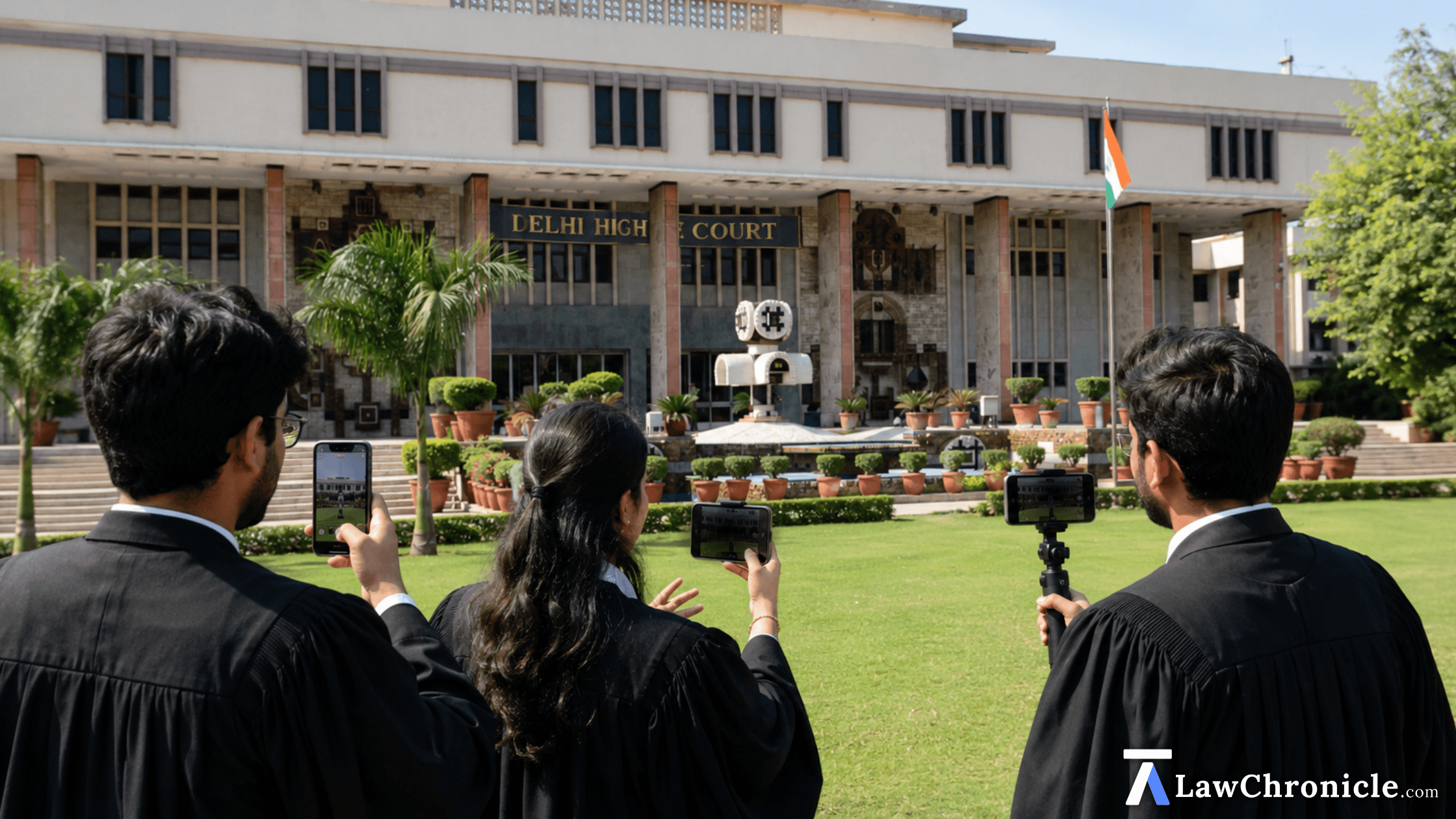
If you have wondered can advocates have Instagram, or whether an advocate can shoot a reel outside a courtroom for likes and followers, the Bar Council of India (BCI) recently came down with a detailed answer. Vide Circular dated 17th July, 2026, the BCI issued social media guidelines, resricting reels and short-form video content by advocates, law students and interns. The short answer is that advocates are not barred from having a social media presence. However, making reels linked to their professional identity, court premises or client work is heavily restricted, and in many cases, outrightly prohibited.
Here's what the BCI stated, and what it means for advocates who are active on Instagram.
Can Lawyers Have Instagram?
Yes. The BCI circular does not prohibit advocates, law students or interns from having personal social media accounts. The Bar Council of India has explicitly clarified that it does not seek to police an advocate's ordinary personal life, dress, private expression or lawful personal social media use. So, if you're asking "can lawyers have Instagram" in the sense of simply owning an account and posting personal content, the answer is yes.
The concern arises only when personal content is deliberately linked to professional identity, such as Court access, robes, Court premises, chamber work, client work, case material or judicial proceedings, and is used for sensationalisation, solicitation, indirect advertisement, commercial branding or lowering of professional dignity. The test, as the BCI puts it, is contextual; it looks at whether the content, viewed as a whole, uses the Court, the robe, a client matter or an internship to build a personal brand, attract followers or commercially exploit legal access.
Can Lawyers Have Social Media with Conditions?
Extending the same logic, can lawyers have social media more broadly? Yes, but its use is bound by the existing Standards of Professional Conduct and Etiquette under Chapter II, Part VI of the Bar Council of India Rules. The circular states that this is not a new or foreign ethical code, it applies to existing duties of dignity, restraint, confidentiality and avoidance of solicitation to the digital space.
The BCI circular flags several categories of prohibited conduct on social media, including: making reels, videos or promotional content inside court premises, courtrooms, corridors, Bar rooms or chambers in a manner inconsistent with dignity and decorum; using bands, gowns or robes for public display or social media performance, contrary to Rules 5 and 7 which permit them only in Court or on ceremonial occasions; clipping, editing or circulating live-streamed proceedings with captions, music or commentary that ridicule, mock or sensationalise Judges, counsel, litigants or witnesses; using Court buildings, signage or chamber settings as props for personal publicity; publishing "day in Court," "internship reveal" or "lawyer life" content that trivialises professional work or breaches confidentiality; disclosing client details, case strategy or privileged communications; and using anonymous or proxy accounts to do indirectly what professional ethics prohibits directly. The circular also cautions against outcome-guarantee marketing: phrases like "guaranteed bail," "sure acquittal" or "instant relief", regardless of the platform used.
Can Instagram Be Used in Court?
If the question is whether proceedings can be filmed or clipped for social media, the circular is direct on this point. It advises advocates to refrain from recording physical, virtual or hybrid Court proceedings unless such recording is subject to applicable court rules. In the absence of specific court rules, recording requires written approval of the Court or Registrar General, and must still comply with the circular's guidelines.
The Supreme Court's ruling in Swapnil Tripathi v. Supreme Court of India (2018 CaseBase(SC) 142), where live-streaming of court proceedings was approved for transparency and open justice, but subject to safeguards, is slated to be the key. The judgment recorded that footage use should be restricted to news, current affairs and educational purposes, and should not be used for commercial promotion, light entertainment or satirical content. It further noted that unauthorized use of live-streamed footage could attract liability under the Copyright Act, 1957 and the Information Technology Act, 2000, in addition to contempt of court.
In short: even where live-streaming of a hearing is officially permitted, that footage cannot be selectively clipped, captioned or repurposed into an Instagram reel.
Is Lawyer as Instagram Influencer Legal?
This is where the circular is most detailed. On whether lawyer as Instagram influencer is legal, the BCI's position turns on Rule 36 of the Bar Council of India Rules, which prohibits direct or indirect advertising and solicitation by advocates. The Rule permits only limited self-description on a website: name, address, enrolment particulars, Bar Association membership, and broad areas of practice, as set out in the prescribed Schedule.
Reels, short videos, thumbnails, dramatic posts, court-corridor clips, "lawyer life" content and edited hearing clips may, depending on content and purpose, amount to indirect advertising, self-promotion, solicitation or conduct unbecoming of an advocate. The test is not whether a post literally says "hire me", but whether the content as a whole uses professional identity, the Court, or client work to build a personal brand, gain followers or commercially exploit legal access.
That said, the circular does permit responsible legal awareness content. An enrolled advocate disseminating legal education content may disclose their full name, State Bar Council, enrolment number and broad area of practice, but only as a measure of transparency, not as advertisement or a claim of superiority. Such content must be non-promotional, non-sensational, accurate, and must direct viewers to independent professional consultation rather than offering personalized advice.
Consequences for Non-Compliance
Any conduct inconsistent with the standards fixed for advocates using social media may expose them to disciplinary proceedings under Section 35 of the Advocates Act, 1961. This may result in reprimand, suspension, or removal of the advocate's name from the State roll.
The Bottom Line
Advocates in India can have Instagram accounts and can engage in genuine legal literacy content. What the BCI restricts is the use of court premises, judicial proceedings, robes, client work or the "advocate" identity to create promotional, sensational or influencer-style content, including reels, clipped courtroom footage, and posts that imply guaranteed outcomes or special access. The line, as the circular frames it, is between legal education and self-promotion, and advocates posting reels linked to their professional life would do well to stay firmly on the education side of it.
 Breaking News