Assam Amends Deori Autonomous Council Act on Member Vacancy and Financial Accountability
 Copy Link
 Share
Share Save
Save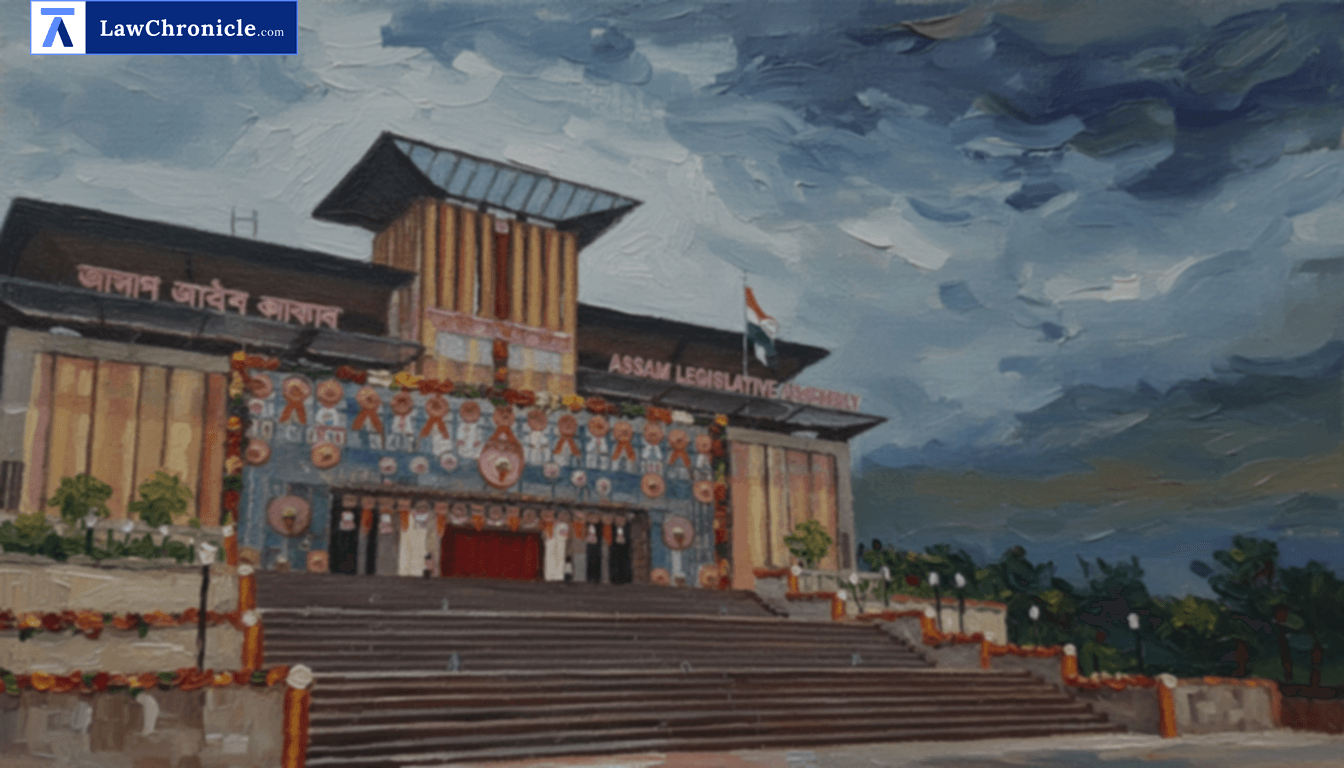
The Assam Legislative Assembly recently enacted The Deori Autonomous Council (Second Amendment) Act, 2025, designated as Assam Act No. XLIV of 2025. This legislation, which received the assent of the Hon'ble Governor of Assam on December 9, 2025, and was subsequently published in the Official Gazette on December 12, 2025, came into force immediately upon its publication. The amendment was deemed expedient to further modify the principal Act, the Deori Autonomous Council Act, 2005 (Assam Act No. XXV of 2005), addressing specific aspects of governance and financial management within the autonomous body. The Act introduces significant changes concerning the tenure of elected members and the financial responsibilities of the State Government towards the Council.
The primary objectives of this amendment include clarifying the conditions under which an elected member's seat in the Deori Autonomous Council's General Council becomes vacant and delineating the financial liabilities of the State Government concerning the Council. The previous statutory framework, as established by the Deori Autonomous Council Act, 2005, presented certain gaps regarding the implications of an elected member simultaneously holding a seat in the Parliament or a State Legislature, and the extent of the State Government's financial obligations beyond direct grants. The new provisions aim to rectify these issues, promoting clearer governance and fiscal discipline.
Specifically, the Act amended section 58 of the principal Act, stipulating that if an elected member of the General Council is chosen as a Member of Parliament or the State Legislature, their seat in the General Council will become vacant after fourteen days from the date of publication of such declaration in the respective Gazette. This vacancy will occur unless the member has previously resigned their seat in Parliament or the State Legislature. Furthermore, the legislation introduced a new sub-section (14) into section 61 of the principal Act, fundamentally altering the financial relationship between the State Government and the Autonomous Council. The legislation provided: “Notwithstanding anything contained anywhere in this Act, the State Government shall not be responsible for any financial transactions of the Autonomous Council except the grants-in-aid. No financial liability shall be vested in the Government for the acts done and contracts entered into by the Autonomous Council.” This new sub-section mandates that all bid documents for Request For Proposals (RFPs) or tenders floated by the Autonomous Council must include a clause explicitly stating that the Government shall not be responsible for financial liabilities arising from contracts entered into by the Council. It also stipulates that all procurements by the Autonomous Council, whether fully or partially funded by State budgetary grants, must adhere to the framework of the Assam Public Procurement Act, 2017, and its associated rules. Additionally, all rules and regulations applicable to Public Financial Management (the system for managing public funds) in the Government are now equally applicable to the Autonomous Council, thereby enhancing transparency and accountability in its financial operations. These amendments aim to ensure that autonomous bodies operate with greater fiscal responsibility and that public funds are managed in a standardized and accountable manner.
Keywords: Deori Autonomous Council, Assam, Amendment Act, Financial Accountability, Public Procurement, Legislative Assembly, Member Vacancy, State Government, Grants-in-aid, Assam Public Procurement Act
Geo Tags: India, Assam District: Not Applicable
 Breaking News