


Complainant Is 'Victim' In Cheque Bounce Cases; Appeals Against Acquittal Lie Before Sessions Court: Gujarat HC
 Copy Link
 Share
 Save
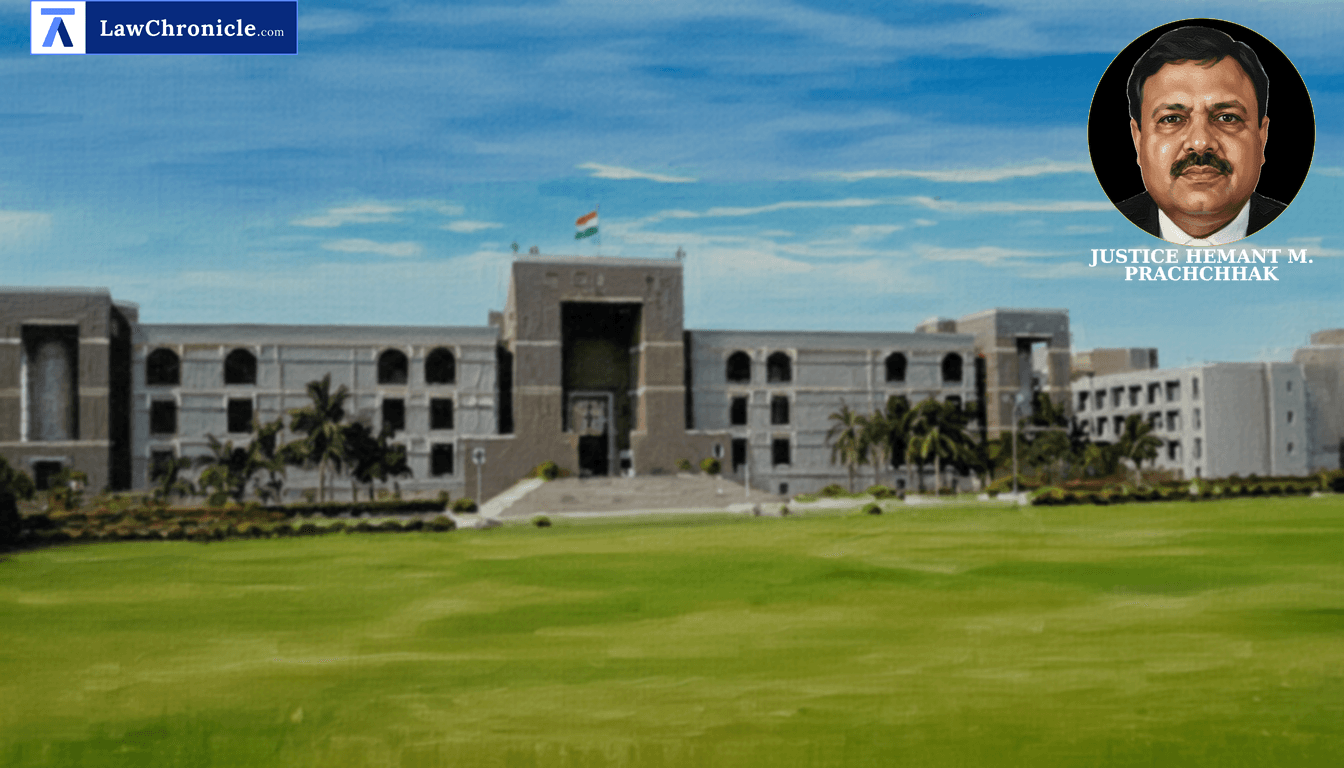
The High Court of Gujarat has solidified the rights of complainants in cheque bounce litigations, ruling that a person aggrieved by the dishonour of a cheque is a 'victim' entitled to challenge an acquittal directly before the Sessions Court without seeking special leave from the High Court. This decision significantly lowers the procedural hurdle for litigants, placing their right to appeal on par with that of a convicted accused.
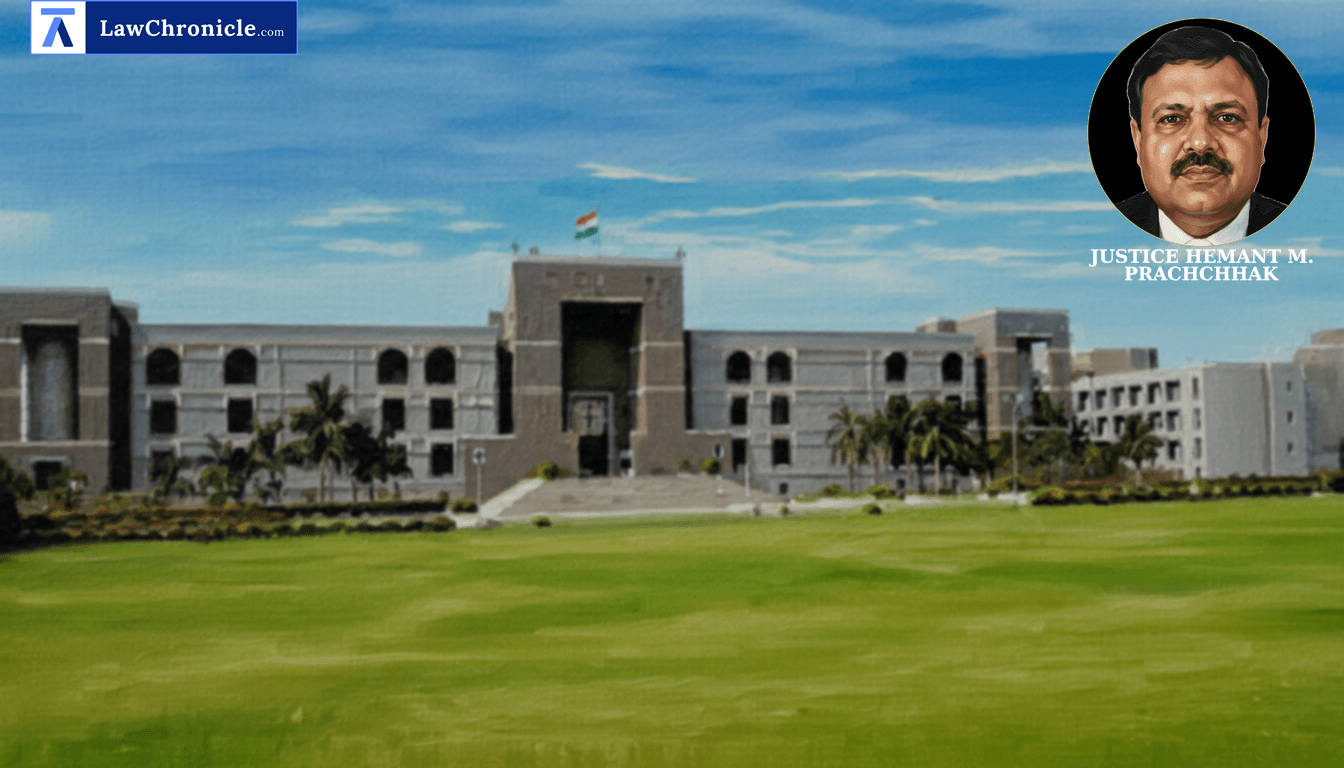
Justice Hemant M. Prachchhak presided over the matter, which involved an appeal filed by a cooperative society against an acquittal order passed by the Additional Chief Judicial Magistrate, Ahmedabad. The Court was tasked with determining the appropriate forum for such appeals in light of recent judicial pronouncements and the transition between the Criminal Procedure Code, 1973 and the Bharatiya Nagrik Suraksha Sanhita, 2023.
Key Takeaways
Complainant as 'Victim'
Subsumes the complainant under the definition of a 'victim', ensuring they possess an absolute right to appeal against acquittal.
Forum Shift
Appeals against acquittal in Section 138 cases must now be preferred before the Sessions Court rather than the High Court under the proviso to Section 372.
Removal of Leave Requirement
Litigants no longer need to elect the restrictive path of seeking 'special leave to appeal' under Section 378(4) of the Criminal Procedure Code, 1973.
Parity of Rights
Aligns the rights of a victim to challenge an acquittal with the unconditional right of an accused to challenge a conviction.
Court's Observations on the Right of Appeal
The Court noted the evolving legal landscape regarding the Negotiable Instruments Act, 1881. It relied heavily on the precedent set in Celestium Financial Vs. A.Gnanasekaran Etc., which clarified that a complainant in a Negotiable Instruments Act, 1881 proceeding does not cease to be a victim merely because the case was initiated via a private complaint.
The Court, in its reasoning, observed: "the victim of a crime must have an absolute right to prefer an appeal which cannot be circumscribed by any condition precedent. In the instant case, a victim under Section 138 of the Act, i.e., a payee or the holder of a cheque is a person who has suffered the impact of the offence committed by a person who is charged of the offence, namely, the accused, whose cheque has been dishonoured."
Furthermore, the Court emphasized that the Parliament intended to provide a superior right to the victim by inserting the proviso to Section 372. This right is distinct from the State's power to appeal, which remains subject to the court's leave.
Directions Issued to the Registry
The Court has following directions:
"this appeal is disposed of with a direction to the Registry to transfer the appeal to the concerned Sessions Court. After it is transferred to the concerned Sessions Court, it has to be treated as an Appeal under the proviso under Section 372 of the Code / Section 413 of BNSS and numbered accordingly and issue notice to the parties. The Registry is directed to transfer the entire record of the case, including the certified copies of the order impugned and record & proceedings, if lying with this Court, to the concerned lower Appellate Court, forthwith."
Ratio
A complainant in a proceeding under Section 138 of the Negotiable Instruments Act, 1881, is a 'victim' within the meaning of the procedural law. Consequently, such a complainant has a statutory right to prefer an appeal against an order of acquittal before the Court immediately superior to the trial court (the Sessions Court) under the proviso to Section 372 of the CrPC or Section 413 of the BNSS, and is not required to seek special leave to appeal from the High Court under Section 378(4).
Background
The dispute originated from a complaint filed by the Gujarat Laghu Udyog Sahkari Society Ltd. regarding the dishonour of a cheque. On January 22, 2025, the Trial Court acquitted the accused, leading the complainant to approach the High Court under Section 378 of the Criminal Procedure Code, 1973 and Section 419 of the Bharatiya Nagrik Suraksha Sanhita, 2023.
During the hearing, the Additional Public Prosecutor and counsel for the respondents pointed out the Supreme Court's ruling in Celestium Financial Vs. A.Gnanasekaran Etc. and the Gujarat High Court's own decision in Thakar Hariprasad Dalsukhram Vs. State of Gujarat and another. These precedents established that the Sessions Court is the proper venue for such appeals. Although it was noted that a reference for an authoritative pronouncement is pending before a larger bench of the Apex Court, the Court followed the prevailing law and transferred the matter to the Sessions Court for an expedited disposal.
Case Details:
Case No.: R/CRIMINAL APPEAL NO. 1082 of 2025
Neutral Citation: 2026:GUJHC:57744
Case Title: GUJARAT LAGHU UDYOG SAHKARI SOCIETY LTD. THRO KRISHNAKANT SAHU Versus STATE OF GUJARAT & ORS.
Appearances:
For the Petitioner(s): MR VINOD B GUPTA, MR OM S TRIPATHI FOR MR YASH V GUPTA
For the Respondent(s): MS JYOTI BHATT ADDITIONAL PUBLIC PROSECUTOR
Source: 2026 CaseBase(GUJ) 22266
 Breaking News


