


Daughter-in-Law Holding Deceased Husband's Estate Liable to maintain His Parents: Telangana HC
 Copy Link
 Share
 Save

Death of a son does not extinguish the maintenance obligations toward aged parents, as the Telangana High Court ruled that such liabilities attach to the deceased's estate and must be discharged by legal heirs, including the daughter-in-law under the Maintenance And Welfare Of Parents And Senior Citizens Act, 2007.
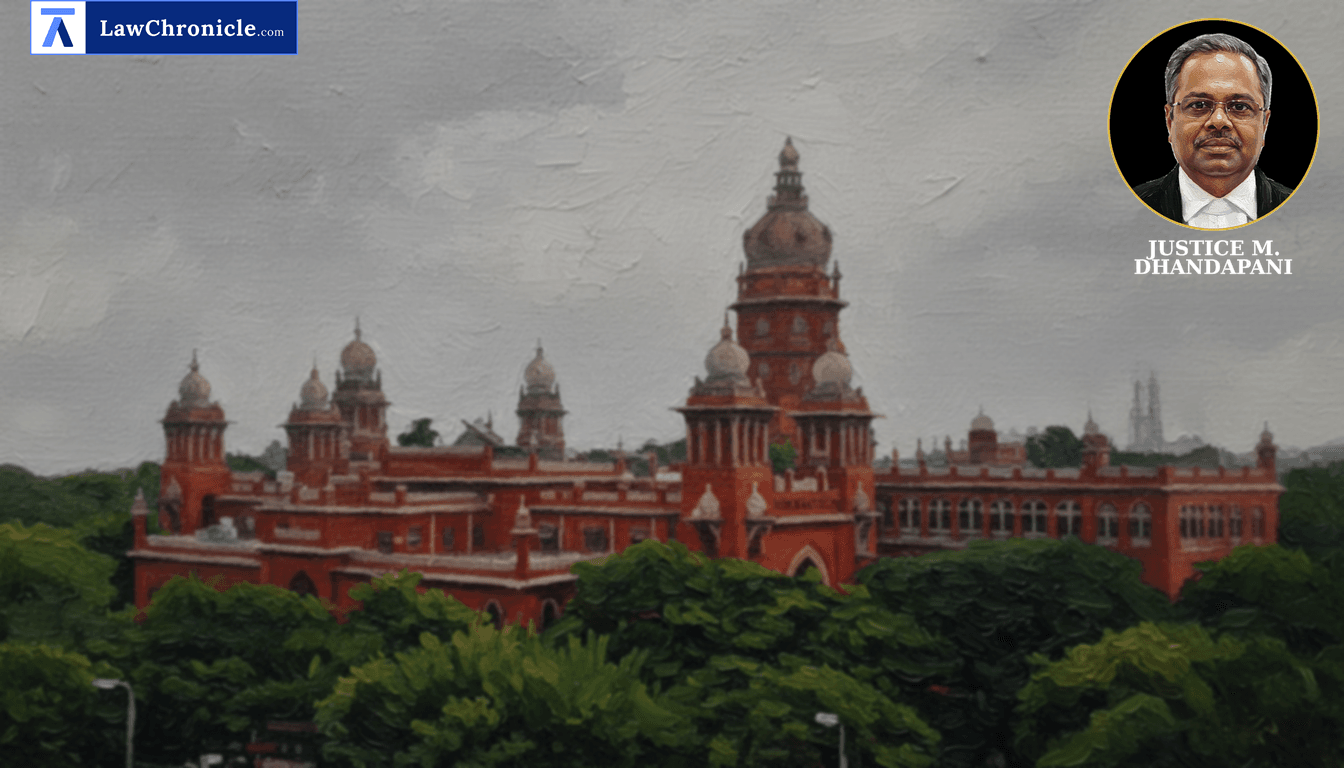
Justice G.M. Mohiuddin heard the matter concerning the enforcement of a maintenance order against a daughter-in-law and minor grandchildren following the death of the petitioner’s son. The Bench examined whether a daughter-in-law, who is not explicitly defined as a 'child' under the Act, can be held liable to fulfill directions previously issued against her deceased husband.
Key Takeaways
Estate-Linked Liability
Maintenance obligations that crystallize into final orders are heritable and must be satisfied by legal heirs to the extent of the estate they inherit.
Daughter-in-Law’s Bounden Duty
While not a 'child' under Section 2(a), a daughter-in-law is bound by maintenance orders if she was a party to the proceedings or represents the deceased’s estate.
Implicit Conditions in Gift Deeds
Transfers of property based on 'love and affection' carry an implied condition of maintenance, the violation of which can render such transfers voidable under Section 23.
Overriding Statutory Force
Section 3 of the Maintenance And Welfare Of Parents And Senior Citizens Act, 2007 ensures that its beneficial provisions prevail over any inconsistent personal laws or customs that might limit maintenance claims.
Judicial Enforcement of Maintenance Orders
The Telangana High Court emphasized that Section 11 of the Maintenance And Welfare Of Parents And Senior Citizens Act, 2007 provides a mandatory mechanism for the execution of maintenance orders, which must be treated with the same force as orders under Chapter IX of the Code Of Criminal Procedure, 1973. It noted that the Revenue Divisional Officer (Respondent No.3) failed in its statutory duty by not acting on the petitioner’s enforcement application despite earlier judicial directions. The Bench observed: "It is a settled principle of law that an obligation which has crystallized into an enforceable order does not come to an end merely because the person against whom it was passed dies. Such obligation passes to the legal heirs and successors-in-interest to the extent of the estate inherited by them."
Addressing the status of the daughter-in-law, the Telangana High Court clarified that her liability was not merely personal but was anchored in her status as a legal representative and natural guardian. The Bench stated that “Respondent No.6 cannot take the benefit of the estate and simultaneously disown the burden attached to it... Under Hindu law, the maintenance of aged parents is not merely a contractual or statutory duty; it is a pious obligation.”
Ratio
A maintenance obligation under the Maintenance And Welfare Of Parents And Senior Citizens Act, 2007 that has crystallized into a final, enforceable order survives the death of the judgment-debtor; such obligation attaches to the estate of the deceased and is binding upon the legal heirs and successors-in-interest to the extent of the assets inherited by them.
Background
The petitioner, a 76-year-old mother, along with her 80-year-old husband, had gifted multiple properties to their late son (Respondent 5), his wife (Respondent 6), and their grandchildren in 2015. After the son allegedly failed to care for them and began alienating properties, the parents approached the Maintenance Tribunal. An order was passed on June 9, 2022, directing the son and daughter-in-law to construct rooms for the parents, provide medical care, and re-transfer certain lands.
This order was confirmed by the Appellate Tribunal but remained unimplemented. Following the son's death in 2025, the daughter-in-law contended she was not liable as she did not fall under the definition of "children" in Section 2(a) of the Maintenance And Welfare Of Parents And Senior Citizens Act, 2007, relying on the precedent in Sheetal Devang Shah v. Presiding Officer of the Maintenance and Welfare of Parents and Senior Citizens. However, the Court distinguished the precedent, noting that she was a named party in the original order and was managing the inherited estate. Referring to Prabhakara Adiga v. Gowri and others ( "(2017) 4 SCC 97 = MANU/SC/0183/2017": 2017 CaseBase(SC) 59) and Mohamed Dayan vs. The District Collector, Tiruppur District and others, the Telangana High Court held that the duty to maintain parents is a pious obligation under Hindu law that follows the property. The Court concluded that the legal heirs cannot retain the benefits of the gifted properties while abandoning the statutory and moral duty to support the senior citizens.
Case Details:
Case No.: WRIT PETITION No.30423 of 2023
Case Title: Vangeti Susheelamma vs. The State of Telangana rep. by its Principal Secretary, Revenue Department, Hyderabad and 7 others
Appearances:
For the Petitioner(s): Mr. Katika Ravinder Reddy, Advocate
For the Respondent(s): Mr. M.Yadagiri, Assistant Government Pleader for Revenue; Mr. S.Rama Mohan Rao, Counsel for respondent Nos.6 to 8
Source: 2026 CaseBase(TEL) 31241
Similar Articles

 Breaking News


