


Abetment of Suicide not Established by Accused's Conduct Causing Emotional Distress: Rajasthan HC
 Copy Link
 Share
 Save
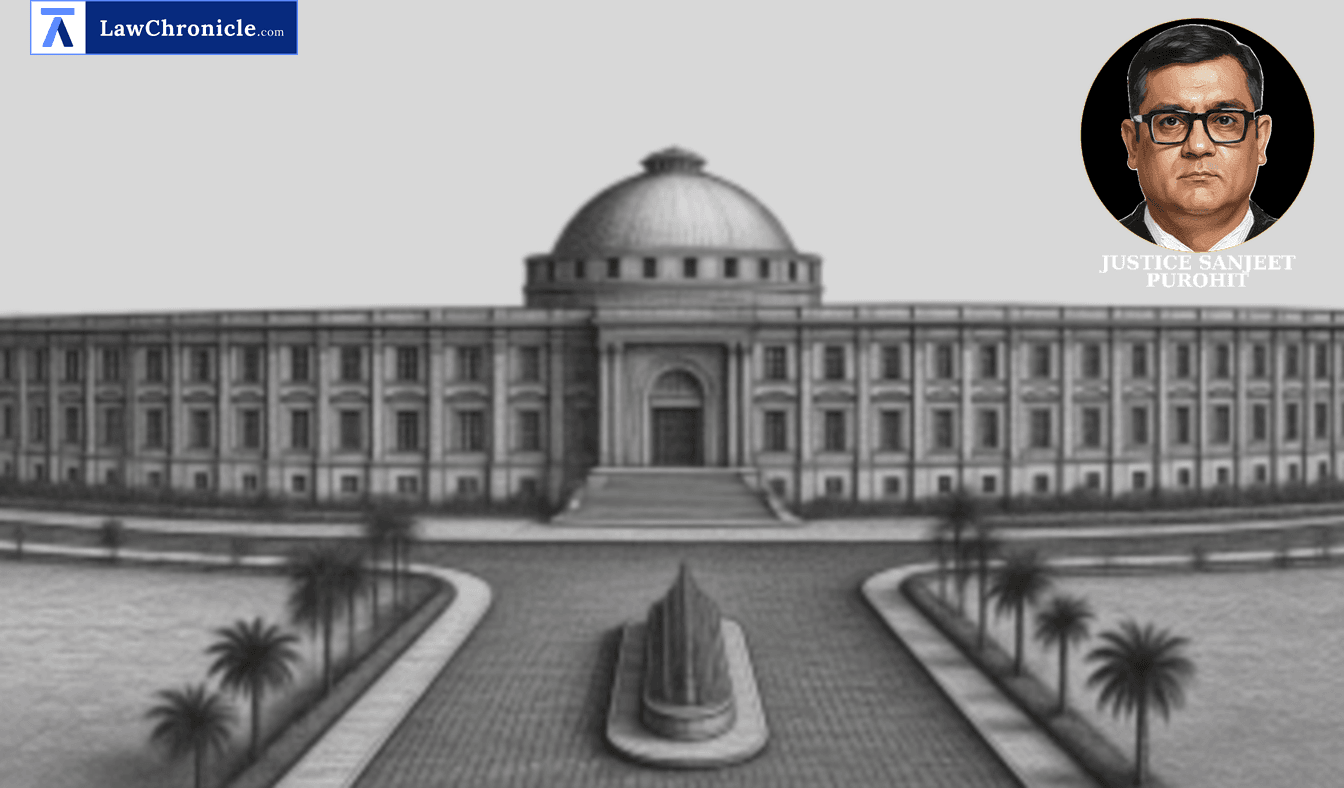
The Rajasthan High Court has ruled that an illicit relationship and the resulting mental agony, by themselves, do not constitute the offence of abetment of suicide. The Bench emphasized that the law cannot assume every individual will react to interpersonal trauma in an identical manner, thereby protecting accused persons from penal liability for the hypersensitivity of a deceased partner.
A Single Judge bench of Justice Sanjeet Purohit heard the bail application filed by an accused facing charges for the suicide of his business partner. The Rajasthan High Court examined whether the existence of an alleged illicit relationship and subsequent emotional distress could be legally classified as instigation or intentional aid under the new penal laws.
Key Takeaways
Psychological vs. Legal Responsibility
Criminal law does not transform every circumstance causing emotional suffering into a penal wrong; the court must distinguish between the psychological motive and legal culpability.
Individual Sensitivity Standard
An accused cannot be held liable for abetment merely because a deceased was exceptionally sensitive or unable to withstand the cessation of a relationship or interpersonal conflict.
Suicide Note Evidentiary Value
The mere mention of a person's name in a suicide note or voice message does not dispense with the statutory requirement of proving conscious and deliberate instigation.
Distinction of Roles
Specific acts of the accused at the time of the incident are critical; leaving a premises during a quarrel significantly distinguishes an accused's role from those who remained and continued the provocation.
The Rajasthan High Court analyzed the ingredients of Section 108 of Bharatiya Nyaya Sanhita, 2023, noting it corresponds to Section 306 of the Indian Penal Code, 1860. It observed that the prosecution must demonstrate an act of instigation accompanied by the requisite mens rea and a proximate nexus with the suicide.
Emotional Distress vs Instigation
The Rajasthan High Court explained the ingredients pertaining to abetment of suicide that "The law cannot proceed upon the assumption that every person would necessarily react to a particular interpersonal circumstance in the same manner. At the same time, the mere fact that a particular individual may have been exceptionally sensitive, emotionally vulnerable or unable to withstand the cessation of a relationship cannot, in itself, convert otherwise lawful or non-penal conduct into an offence of abetment of suicide. The relevant inquiry is not merely whether the deceased was deeply affected by the conduct of the accused, but whether the conduct attributed to the accused possessed, in its nature and circumstances, the requisite quality of instigation or intentional aid contemplated by the penal statute."
The Rajasthan High Court further relied on Dinesh Mehra v. State of Rajasthan to highlight that human psychology is complex and cannot be reduced to a uniform behavioral formula. It also referenced Prema v. State of Karnataka, where it was held that an illicit relationship causing emotional suffering does not per se amount to abetment. Additionally, the Bench noted the principle from State of Chhattisgarh v. Ravi Kumar Sahu that a suicide note must be examined alongside surrounding circumstances to find a deliberate act intended to drive the deceased to suicide.
Ratio
An illicit relationship or conduct causing emotional distress, without a specific, positive, and proximate act of instigation or intentional aid accompanied by mens rea, does not fulfill the statutory ingredients of abetment of suicide. Criminal liability must arise from legally culpable conduct rather than the intensity of the deceased's reaction to interpersonal turmoil.
Background
The case involved the suicide of one Shaitan Singh, who jumped onto a railway track on April 14, 2026. The father of the deceased lodged an FIR alleging that the applicant, a business partner, had an illicit relationship with the deceased's wife and subjected him to financial and mental pressure. Shortly before his death, the deceased sent two WhatsApp voice notes attributing his decision to the applicant, stating he had ruined his family.
Counsel for the applicant argued that the deceased had known of the relationship for a year and that no specific act of instigation occurred on the day of the incident. It was pointed out that while the applicant left the house after a quarrel, the deceased and his wife continued to argue. The State and the complainant opposed the bail, citing the dismissal of the wife's bail application and the gravity of the emotional trauma caused. The Rajasthan High Court, however, found the applicant's role distinguishable from the co-accused wife and granted bail under Section 483 of Bharatiya Nagarik Suraksha Sanhita, 2023.
Case Details:
Case No.: S.B. Criminal Miscellaneous Bail Application No. 13421/2026
Neutral Citation: 2026:RJ-JD:49845
Case Title: Yakshraj Alias Deepak v. State Of Rajasthan
Appearances:
For the Petitioner(s): Mr. T.R. Singh Sodha
For the Respondent(s): Mr. Hanuman Prajapati, PP; Mr. Pradeep Sharma, for complainant
Source: 2026 CaseBase(RAJ) 26025
Similar Articles
 Breaking News


