


Indefeasible Right to Bail Triggered by Delayed Chargesheet in Commercial Quantity NDPS Case: Andhra Pradesh HC
 Copy Link
 Share
 Save
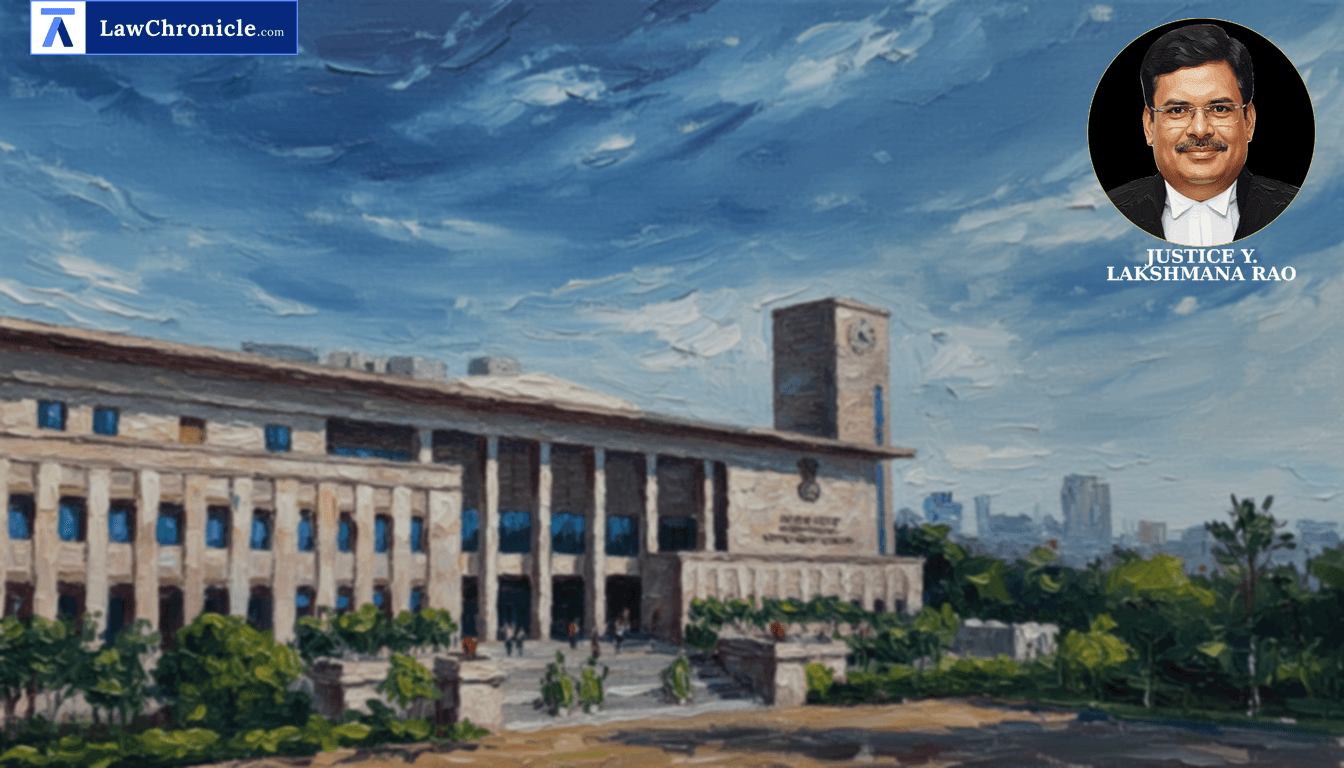
Failure by the prosecution to file a charge sheet within the statutory 180-day window or seek a formal extension has resulted in the High Court granting default bail to three accused individuals caught with 32 kilograms of ganja. This ruling reinforces the non-negotiable nature of the 'indefeasible right' to bail under the Narcotic Drugs and Psychotropic Substances Act, 1985, even in cases involving commercial quantities of contraband.
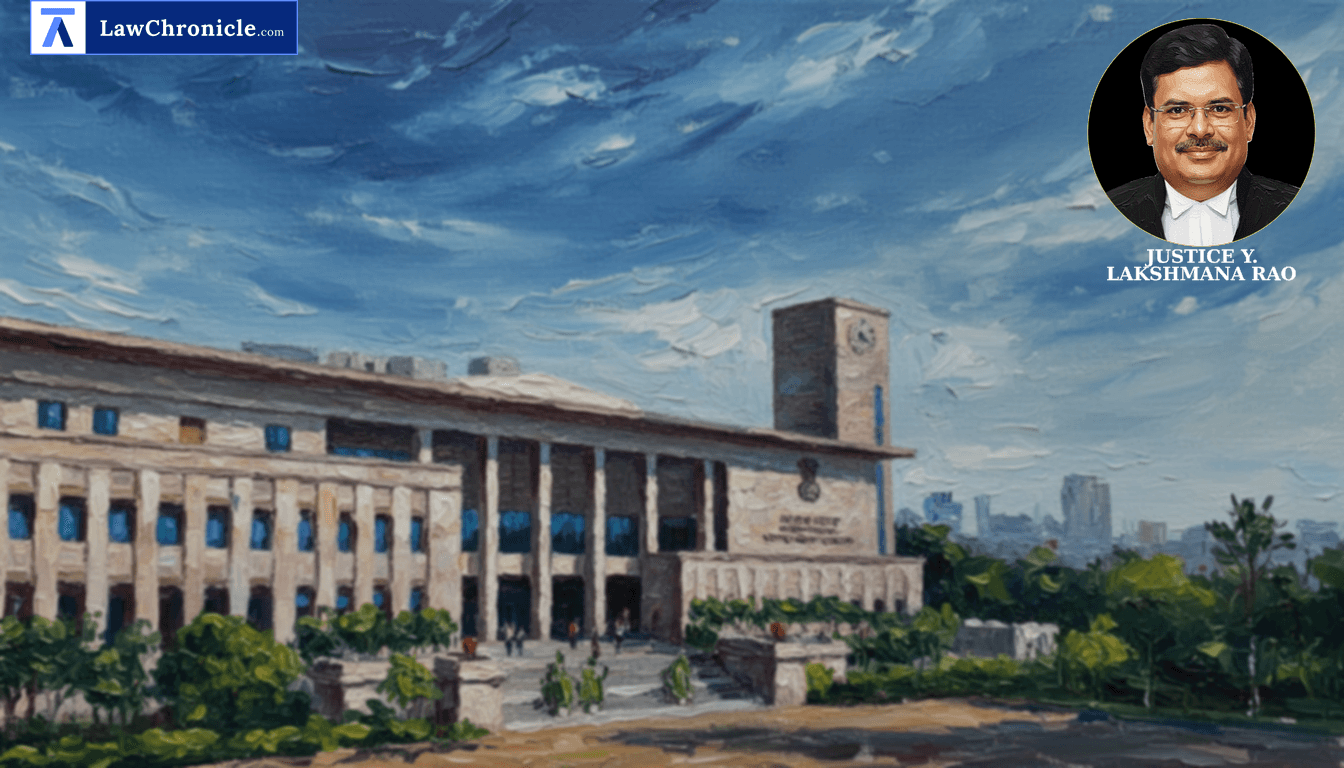
A Single Bench of Justice Dr. Y. Lakshmana Rao presided over the hearing of two criminal petitions filed under Sections 480 and 483 of the Bharatiya Nagarik Suraksha Sanhita, 2023. The Court was determining whether the accused, who had been in custody for 182 days without a charge sheet being filed, were entitled to be released despite the gravity of the narcotics charges against them.
Mandatory Compliance with Section 36A(4) of the NDPS Act
The Court focused its scrutiny on the procedural timelines mandated for narcotics investigations. It noted that the petitioners were arrested on January 10, 2026, and had remained in judicial custody for over 180 days. The prosecution admitted that no report had been filed by the Public Prosecutor to extend the detention period up to one year, a requirement strictly governed by the proviso to Section 36A(4).
The Court, in its reasoning, observed: "Section 36A(4) of ‘the NDPS Act’ states that if the investigation is not completed within 180 days, the petitioners/Accused Nos.1 to 3 has an indefeasible right to bail, unless the Special Court extends the period up to one year on the report of the Public Prosecutor, indicating the progress of the investigation and specific reasons for the detention of the accused beyond the initial period."
Court Observations on Investigation Progress
While the Assistant Public Prosecutor argued that the investigation was ongoing and material witnesses were yet to be examined, the Bench observed that seven official witnesses had already been recorded. The Court found that since the petitioners were permanent residents with fixed abodes and a substantial portion of the investigation regarding their specific roles was complete, the risk of tampering with evidence or absconding could be mitigated through stringent conditions.
The Court has following directions:
"i. The Petitioners/Accused Nos.1 to 3 shall be enlarged on bail subject to their executing a bond for a sum of Rs.50,000/- (Rupees Fifty Thousand only) each with two sureties each for the like sum each to the satisfaction of the learned III Additional Chief Judicial Magistrate at Gajuwaka, Visakhapatnam.
ii. The Petitioners/Accused Nos.1 to 3 shall appear before the Station House Officer concerned, on every Saturday in between 10:00 am and 05:00 pm, till filing of the charge sheet.
iii. The Petitioners/Accused Nos.1 to 3 shall not leave the limits of the State of Andhra Pradesh without prior permission from the Station House Officer concerned.
iv. The Petitioners/Accused Nos.1 to 3 shall not commit or indulge in commission of any offence in future.
v. The Petitioners/Accused Nos.1 to 3 shall cooperate with the investigating officer in further investigation of the case and shall make themselves available for interrogation by the Investigating Officer as and when required.
vi. The Petitioners/Accused Nos.1 to 3 shall not, directly or indirectly, make any inducement, threat or promise to any person acquainted with the facts of the case so as to dissuade him/her from disclosing such facts to the Court."
Key Takeaways:
Procedural Primacy Over Offence Gravity
The ruling highlights that even in serious crimes involving commercial quantities of drugs, procedural lapses by the prosecution specifically the failure to file a charge sheet or an extension report create an absolute right to bail that the courts cannot ignore.
Accountability of the Public Prosecutor
The judgment underscores the statutory duty of the Public Prosecutor under Section 36A(4) to provide a detailed progress report and specific reasons if detention beyond 180 days is required; mere pendency of investigation is insufficient.
Transition to New Procedural Code
This case demonstrates the application of the bail provisions under the newly enacted Bharatiya Nagarik Suraksha Sanhita, 2023 (Sections 480 and 483) in conjunction with special statutes like the Narcotic Drugs and Psychotropic Substances Act, 1985.
Ratio Decidendi:
Under Section 36A(4) of the Narcotic Drugs and Psychotropic Substances Act, 1985, if the investigation is not concluded within 180 days, the accused acquires an indefeasible right to bail. This right can only be deferred if the Special Court, based on a specific report by the Public Prosecutor detailing the progress and necessity of further detention, grants an extension. In the absence of such a report and the expiry of the 180-day period, bail must be granted regardless of the nature of the allegations.
Background:
The case originated from Crime No. 13 of 2026 registered at Gajuwaka Police Station, Visakhapatnam. The three petitioners were caught in 'conscious possession' of 32.00 KGs of ganja and were arrested at the spot. They were charged under Sections 20(b)(ii)(C), 28, and 29(1) of the Narcotic Drugs and Psychotropic Substances Act, 1985. The defense argued their innocence and highlighted that as sole breadwinners, their continued incarceration caused undue hardship. The State opposed the bail on the grounds that the investigation was incomplete. However, acknowledging that the 180-day statutory period had elapsed without a charge sheet or an extension request, the High Court allowed both criminal petitions, granting bail subject to strict monitoring conditions.
Case Details:
Case No.: CRIMINAL PETITION NOs: 4672 and 4664 of 2026
NeutralCitation: 2026:APHC:26511
Case Title: Tadi Musalamma Alias Mary and others vs. The State of Andhra Pradesh
Appearances:
For the Petitioner(s): Gollapalli Maheswara Rao, Advocate
For the Respondent(s): Public Prosecutor; Mr. Rohit, Assistant Public Prosecutor
Source: 2026 CaseBase(AP) 234
Similar Articles
 Breaking News


