Input Tax Credit Denial Upheld Where Sales Fell Under Section 7(c) Exemption; Appeal Dismissed
 Copy Link
 Share
Share Save
Save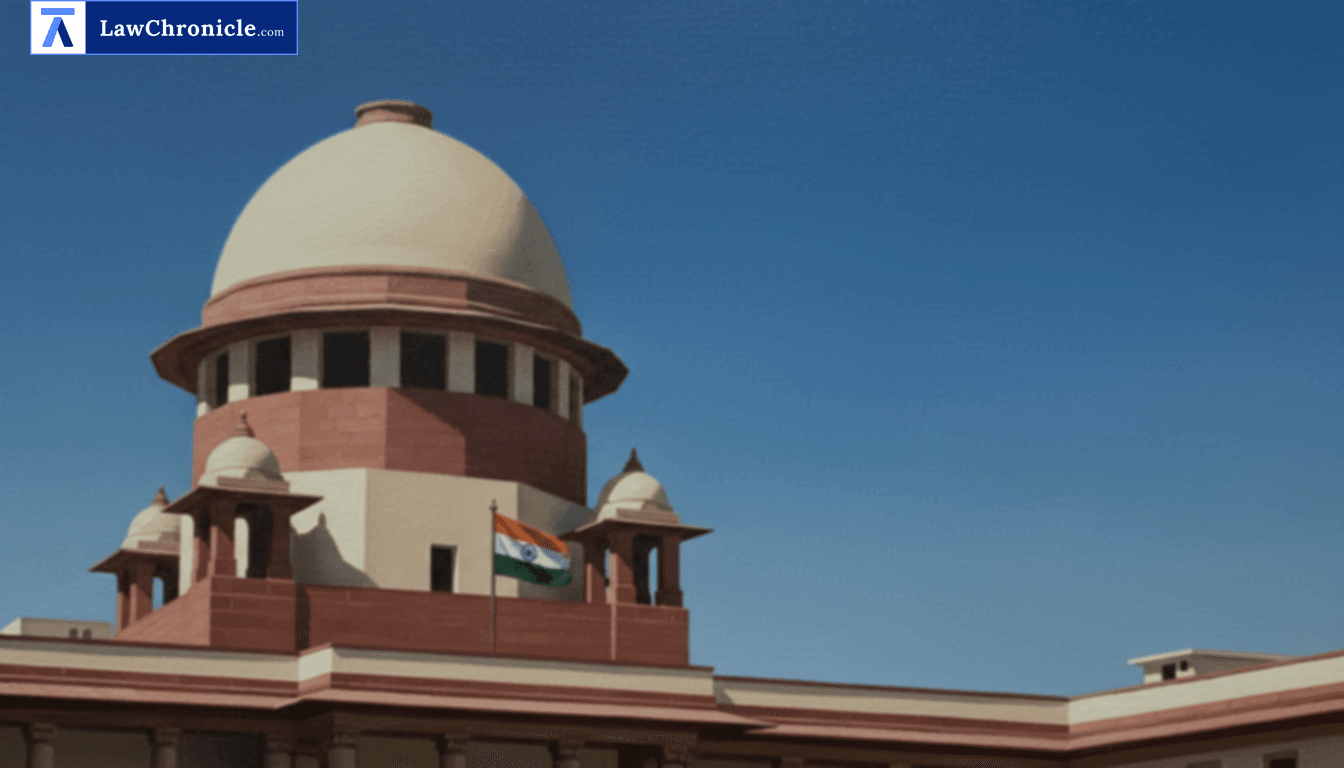
A bench of Justices Pankaj Mithal and S.V.N. Bhatti heard the appeal concerning whether a dealer could claim input tax credit for purchases when the corresponding sales were exempted under Section 7(c) of the Uttar Pradesh Value Added Tax Act, 2008 and effected against Form‑E filed for manufacturer‑exporters.
The Court upheld the view of the assessing authority, first appellate authority, Tribunal and High Court that a dealer was not entitled to input tax credit where the sale was exempt under Section 7(c) read with the notifications dated 24.02.2010 and 25.03.2010. The bench observed that the scheme for granting input tax credit was governed by Section 13 of the Act and that Section 13(7) specifically barred allowance of input tax credit in instances where sales were exempt under Section 7(c). The Court, in its reasoning, observed: “The prohibition from allowing input tax credit is a statutory mandate, and the view taken by the orders impugned, in the facts and circumstances of this case, is available and correct. In the teeth of clear expression in section 13(7) of the Act, we find it difficult to give effect to the intent or policy made known through notifications to grant input tax credit. The dealer availing section 7(c) of the Act knows the extent to which the input tax credit could be claimed. Hence, the Civil Appeal fails, and is accordingly dismissed.” The Court therefore dismissed the civil appeal and directed that there shall be no order as to costs.
Background
The dispute arose from returns for assessment year 2010‑11 filed by a registered dealer who recorded sales of Rs. 1,89,35,100 against Form‑E to a manufacturer‑exporter and claimed input tax credit of Rs. 6,42,260 on purchase tax paid. The assessing officer initially allowed the credit but subsequently, by an order dated 22.02.2013 under Section 28, disallowed the claim on the ground that the turnover fell within Section 7(c) and relevant state notifications, which exempted direct sales to manufacturer‑exporters from tax and, by operation of Section 13(7), precluded input tax credit to the selling dealer.
On appeal the additional commissioner dismissed the dealer’s challenge, observing that the notification under Section 7(c) “does not provide input tax credit facility to sellers having tax‑exempted sales made in favour of manufacturer‑exporters.” The Tribunal of Commercial Tax, Meerut, and thereafter the High Court in revision, affirmed that approach; the High Court held that “Bare reading of the provisions of Section 13(7) clearly reveals that the applicant was not entitled for the input tax credit with respect to the sale of goods exempted under Section 7(c) of the Act.” The dealer argued before this Court that the notifications were issued to encourage manufacturer‑exporters and that denying input tax credit to the selling dealer frustrated policy; counsel relied on Section 13(1) to contend entitlement. The revenue responded that the statutory language of Section 13(7) created an embargo and that taxing statutes required strict textual application.
The Supreme Court analysed Sections 7 and 13, the notifications dated 24.02.2010 and 25.03.2010 prescribing Form‑E and the related circular dated 25.03.2010. The Court held that distinct concepts of taxable persons, taxable goods and taxable events governed levy and input credit; Section 13(7) expressly excluded input tax credit where the dealer’s sale was exempt under Section 7(c). The Court declined to subordinate the clear statutory prohibition in Section 13(7) to the policy intent of the notifications and therefore dismissed the appeal. There were no interim directions and no liberty additional to the usual appellate rights was granted.
Case Details: Case No.: CIVIL APPEAL NO. 6553 OF 2016 Case Title: NEHA ENTERPRISES v. COMMISSIONER, COMMERCIAL TAX, LUCKNOW, UTTAR PRADESH Appearances: For the Petitioner(s): Mr. Udayan Jain, Advocate For the Respondent(s): Mr. Bhakti Vardhan Singh, Advocate
 Breaking News