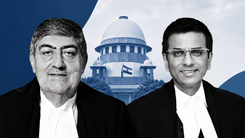
Justice SK Kaul on CJI Chandrachud: What It Reveals About the Collegium
 Copy Link
 Share
 Save
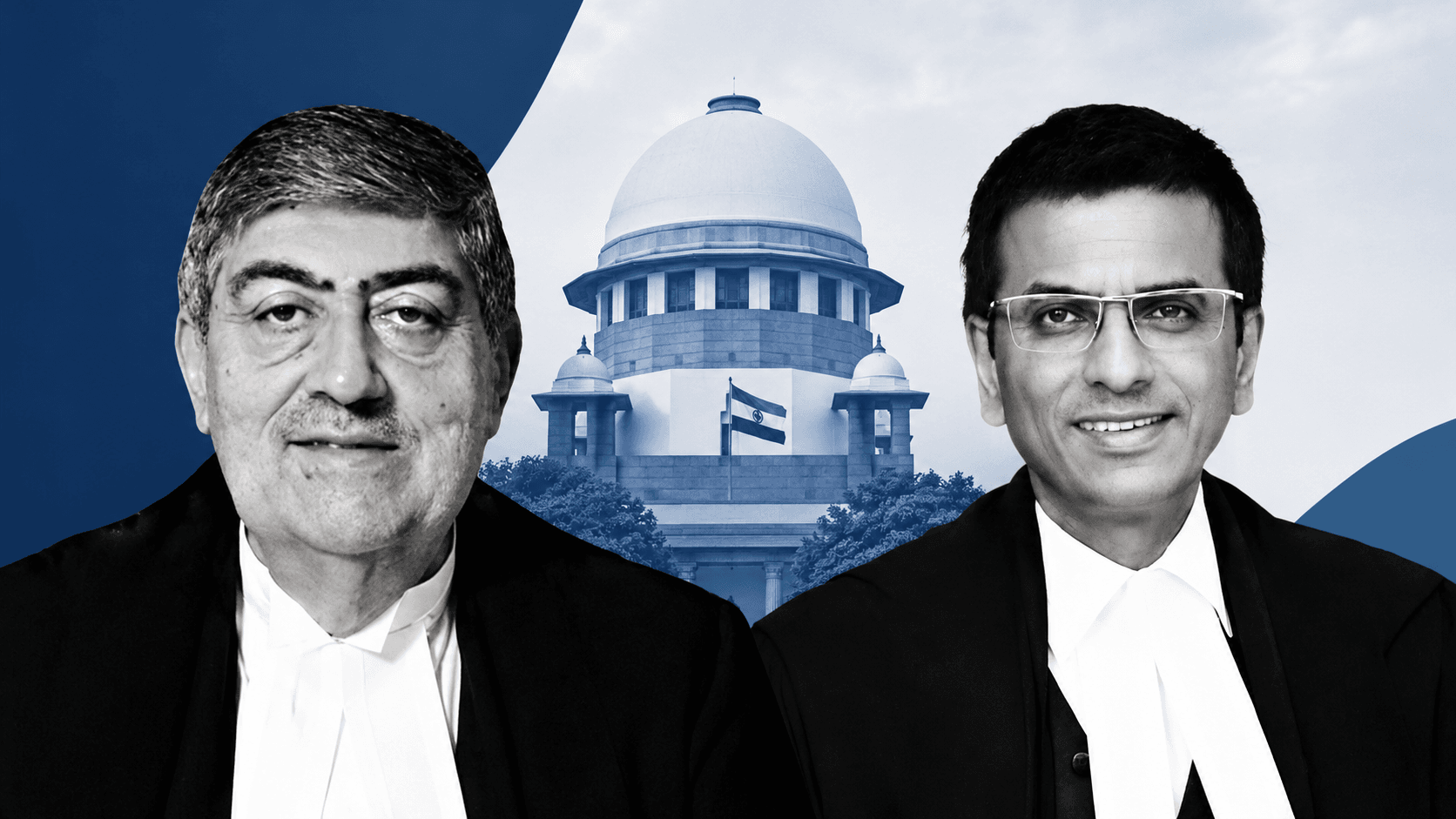
Former Supreme Court judge, Justice Sanjay Kishan Kaul has made a series of remarks about the Supreme Court Collegium and former Chief Justice of India DY Chandrachud. They come from an interview and from excerpts of his forthcoming memoir, Without Fear or Favour. Media reports published on October 25, 2026 say the remarks concern how the Collegium handles consultation with the Government on judicial appointments. This article skims through what has been said and how it impacts the Collegium System.
Justice SK Kaul's Remarks
Justice Kaul retired on December 25, 2023, as the senior-most puisne judge of the Supreme Court of India. He spoke with journalist Karan Thapar in an interview for The Wire. Thapar read out passages from the memoir to be published by Juggernaut Publications.
Several news reports followed reports of Justice Kaul's remarks on Justice DY Chandrachud's role within the Collegium, pertaining to Judicial Appointments, and the Government connection.
On Judicial Appointments by Supreme Court Collegium
The “Pre-Approval” Question
Media reports convey that Justice Kaul described an incident during a Collegium meeting. He said the then CJI took him aside and asked whether he should telephone the Government to learn its views on the names under consideration. Justice Kaul said he advised against doing so while the Collegium was still deliberating.
The memoir passage quoted in the interview draws a distinction. Consultation with the Government is one thing. What Justice Kaul called “pre-approval”, seeking the Government’s nod before the Collegium formally deliberates, is another, and in his view it sends a wrong signal.
Justice Kaul said the Collegium had agreed on five names, and the then CJI wanted a sixth, proposed late, to be approved as well. He said this was not acceptable to him or the other members. Asked whether the Government’s approval had been taken in advance, he said, “Maybe he had already taken some kind of approval.” This was a possibility that Justice SK Kaul offered, not an assertion of fact.
A Wider Practice
Justice Kaul did not frame the matter as specific to one Chief Justice. He said prior discussion of names with the Government had become a practice that, in his view, existed before and after Justice Chandrachud’s tenure. He said the practice troubles him.
Why Tenure Matters
Justice Kaul explained his concern in terms of institutional continuity. A CJI with a roughly two-year tenure who adopts such a practice may leave successors, with shorter tenures, finding it hard to depart from it.
In Justice SK Kaul's view, the Government could grow accustomed to a particular method before appointments are made. He also said he did not consider all discussion with the Government inappropriate. In his words, the problem lies in “at what stage and in what manner” it takes place.
“Too Deferential”: The Assessment
In his interview, Justice Kaul recalls that Justice Chandrachud was “too deferential to the Government in appointment matters”. When asked whether he saw the former CJI as weak, Justice Kaul separated the judicial and administrative roles. He said he had no concern on the judicial side and credited Justice Chandrachud with intellectual heft and capacity and hard work. His criticism concerned what he saw as excessive discussion with the Government on administrative issues. According to Justice Kaul, "Justice Chandrachud was actually undermining the (Collegium) system."
As per another report, Justice Kaul has said that the Judges’ Appointments matter was taken from his bench. It adds that he said he was advised to take a “middle path” in the PMLA judgment reconsideration.
The Collegium and the Executive
The Supreme Court Collegium, comprising of the Chief Justice of India, and Senior-most judges of the Supreme Court, recommends judicial appointments. The Government’s role is to process and notify those recommendations. Delay in doing so has long been a source of friction between the two institutions.
In late 2023, a bench headed by Justice Kaul repeatedly asked the Union Government to act on pending Collegium recommendations. It also raised concern about selective acceptance of names disturbing inter se seniority. Shortly after his retirement, Justice Kaul told PTI that the Collegium system had problems that needed to be acknowledged, while also noting that it remained the law of the land.
Justice Chandrachud, for his part, said publicly in 2023 that the Collegium, though imperfect, was the best available mechanism for preserving judicial independence. At Justice Kaul’s farewell, he spoke warmly of their friendship, which dates to their time at St Stephen’s College.
A Related Reflection on Collegium: The 2018 Press Conference
As per reports, Justice Kaul's memoir also addresses the January 12, 2018, press conference by four senior Supreme Court judges. Justice Kaul calls it an “earthquake” that exposed fault lines in the judiciary. He recognizes that the judges had a right to raise grievances, which he says were not entirely illegitimate. He remained unconvinced of the wisdom of going public, and says it led to a loss of collegiality. He describes the judiciary as unprepared for that level of public scrutiny. Justice Kaul seems concerned with how the Judiciary handles internal disagreements and its relationship with the other branches.
What the Remarks Reveal
Several points emerge from the interview and news reports, without drawing conclusions on contested facts. It throws light upon the interference of the Executive within the domain of Judiciary, through a backdoor. It also puts in question those with authority, who choose to compromise.
It's important to note that Justice Kaul’s reported remarks add one participant’s perspective to a long-running discussion on judicial appointments. They arrive through media reports of an interview and a book yet to be released. A bigger picture may follow with the full text of the memoir once published, along with any response from the persons named.
 Breaking News