Kolkata Durga Puja Stampede | Calcutta HC tells State to pick ex-Judge for Inquiry Commission
 Copy Link
 Share
 Save
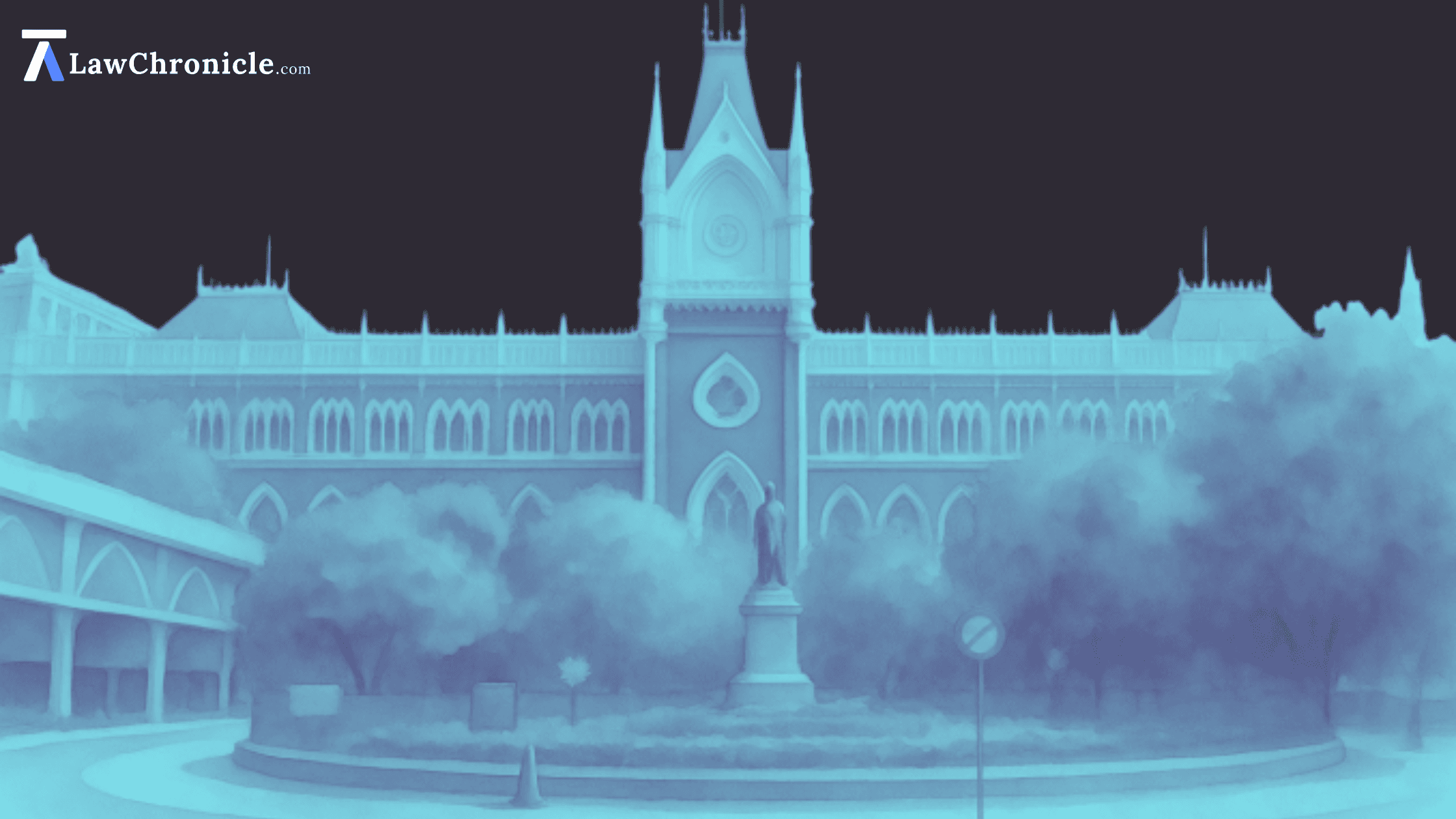
The Calcutta High Court, sitting as a Vacation Bench on October 20, 2026, heard a petition styled as a Public Interest Litigation (PIL) on the Chorebagan stampede. The Bench of Chief Justice Ravindra Vithalrao Ghuge and Justice Md. Shabbar Rashidi recorded the State Government's proposed Terms of Reference for an inquiry. It kept the petition pending, while making clear that the High Court would not monitor the inquiry.
Kolkata Durga Puja Stampede Petition
The writ petition titled Tapas Kumar Dey vs. The State of West Bengal & Ors was filed in the Calcutta High Court on the same day it was heard. The Division Bench of Chief Justice Ravindra Vithalrao Ghuge and Justice Shabbar Rashidi noted that it was holding Court as a Vacation Bench. The Court recorded that the Kolkata Durga Puja stampede occurred at the Chorbagan Sarbojonin Durga Puja Pandal on 17.10.2026. It left 19 persons dead and about 25 injured. The petition states that the dead include a 7-year-old child and that about 25 persons suffered serious injuries.
Petitioner's Submissions
Mr. Bandyopadhyay submitted that a retired Judge may be entrusted with heading a Commission to investigate the alleged failures. The Calcutta High Court reproduced paragraph 6 of the petition, which states that the tragedy was not an "act of God." The petition attributes it to gross negligence, mismanagement and disregard for public safety by the Respondents.
The petition lists the following alleged failures:
- The entry and exit gates of the pandal were dangerously narrow and inadequate for the foreseeable crowd.
- There were not enough police personnel to regulate the crowd or manage queues.
- The area was poorly lit, which contributed to panic and confusion.
- A wrong and irresponsible announcement over the microphone by the organisers triggered a sudden surge in the crowd.
- There was no emergency response plan, and no ambulances or medical teams were readily available.
The Court also recorded that the petition seeks no relief against any private individual or any of the newspapers arrayed as Respondents. The petitioners expressed that the acts and omissions by the organisers and authorities, and lapses, negligence, dereliction of duty or failure on the part of the Police Authorities, Municipal Corporation Authorities, the Public Works Department and others led to Kolkata Durga Puja Stampede.
Court's Reference to T. Fenn Walter vs. Union of India
The Bench referred to the Supreme Court's judgment in T. Fenn Walter & Ors. vs. Union of India & Ors., (2002 CaseBase(SC) 1236), and reproduced the guidelines on appointment of a sitting Judge as a Commission of Inquiry has to be made only on rare occasions, if necessary for the paramount national interest, the categories of offices to which appointing a sitting Judge may not be objectionable, including a Commission of Inquiry under the Commissions of Inquiry Act.
The Court also noted the strength of the Calcutta High Court:
- The sanctioned strength is 72 Judges, and the Court is functioning with 50.
- Justice Shampa Dutt (Paul) is to demit office on 27/10/2026.
- Justice Apurba Sinha Ray is to demit office on 25th November, 2026.
- After these two retirements, the Court would function with 48 Judges.
No Serving Judge for Inquiry Commission
The Calcutta High Court stated that whether to spare a serving Judge to chair the Inquiry Commission is for the Chief Justice to decide on the administrative side. If the Chief Justice does not spare a serving Judge, it would be for the State Government to act under the Commissions of Inquiry Act, 1952. The State would then constitute a Commission to investigate the stampede by appointing a retired Judge of the Calcutta High Court, strictly in accordance with the law.
Proposed Terms of Reference for the Chorebagan Stampede Inquiry
At the request of the State's counsel, the Calcutta High Court reproduced the proposed Terms of Reference in its order that the terms are proposed for consideration and may be modified as deemed fit and proper. The 14 terms cover the following matters.
Sequence and causes
- The exact sequence of events leading to the stampede, including time, place and circumstances.
- The causes and contributing factors. The document lists overcrowding, adverse weather, sudden opening or closure of gates, rumours, electrical failure, inadequate entry and exit arrangements, structural deficiencies and failure of crowd-control measures.
- The time, location and manner of the initial crowd surge, and how it developed into a stampede.
Crowd, venue and weather
- The number of persons present, crowd movement, entry and exit flows, and whether the gathering exceeded the reasonably assessed safe capacity.
- Weather conditions, including meteorological reports and rainfall or thunderstorm bulletins, and their possible effect on crowd movement, visibility, surface conditions and panic.
- Whether public announcements, whistles, rumours, sudden movements or other events triggered or aggravated the surge.
- The condition and adequacy of passages, barricades, stairways, gates, emergency exits and other arrangements at the pandal.
Preparedness, evidence and permissions
- The preparedness, response time and conduct of the organisers, private security personnel, volunteers, police, ambulance services, hospitals, fire services and civic authorities.
- CCTV footage, mobile video recordings, forensic findings, call records, police station and control-room logs, medical records and physical evidence.
- Whether permissions were granted in accordance with applicable rules. Also whether crowd-management, disaster-management, evacuation and police bandobast plans were prepared and implemented in accordance with applicable laws, judicial directions and relevant guidelines, including those of the National Disaster Management Authority.
Responsibility and recommendations
- Whether any lapse, negligence, dereliction of duty or failure of coordination is attributable to the organisers, police authorities, Kolkata Municipal Corporation, Public Works Department, Fire and Emergency Services, CESC Limited or any other agency or individual. The Commission is also to recommend appropriate action in accordance with law.
- Measures for regulating large Durga Puja gatherings in congested areas, particularly the narrow lanes of North Kolkata. These include scientifically assessed footfall limits, entry and exit routes, CCTV surveillance, public-address systems, emergency evacuation plans and inter-agency coordination.
- The assistance, compensation and rehabilitation extended or required to be extended to victims and their families, including the adequacy of any ex-gratia assistance announced.
- Any other matter incidental or ancillary to the incident that may be necessary to determine its causes, fix responsibility in accordance with law and prevent recurrence.
Petition Kept Pending
The Division Bench made it clear that, considering the provisions of the Commissions of Inquiry Act, the Calcutta High Court would not be monitoring the inquiry. It would be for the State Government to deal with the report that the Commission tenders. It was submitted that the petition may be kept pending. The Bench stated that it was inclined to dispose of the petition, but kept it pending in view of this request.
 Breaking News