


New Developer Not Liable for Financial Defaults of Erstwhile Promoter: Bombay HC
 Copy Link
 Share
 Save
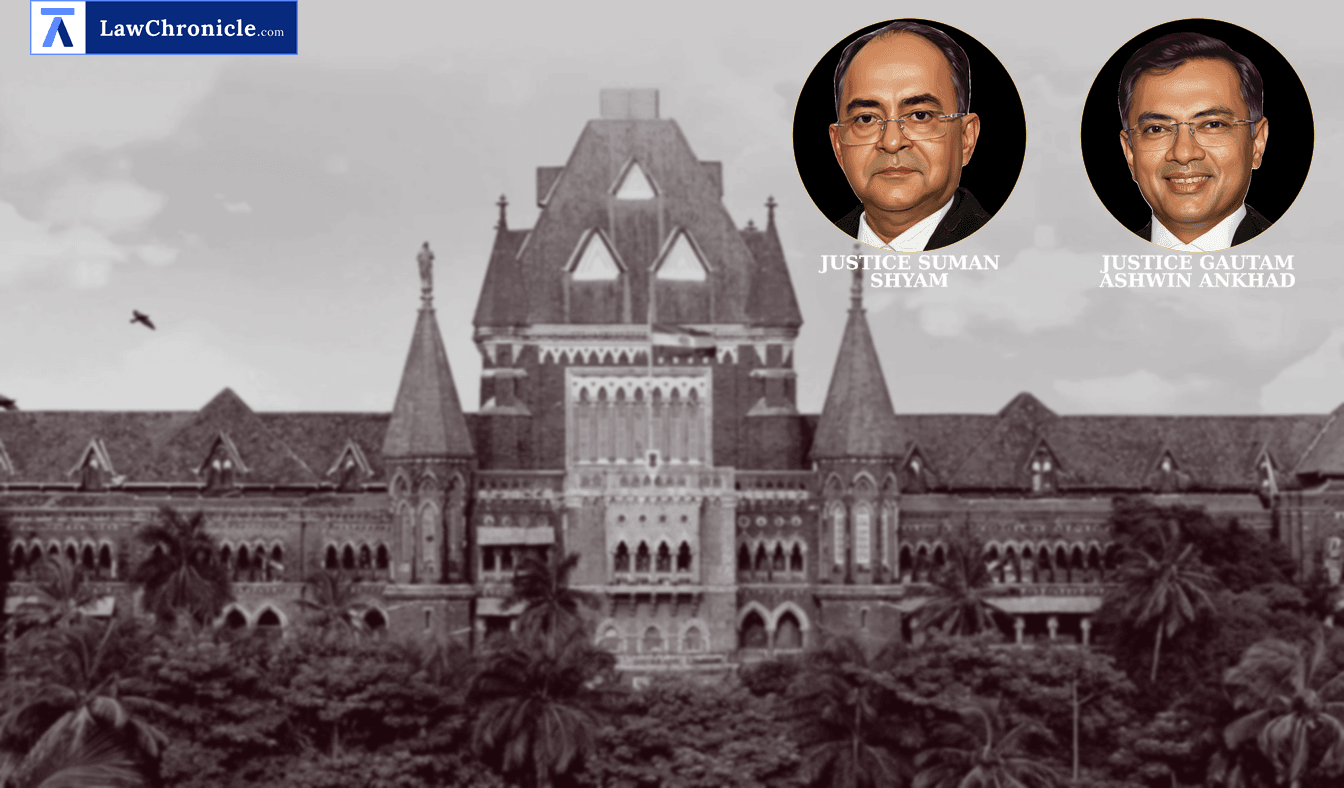
The Bombay High Court has shielded incoming real estate developers from the past financial liabilities of terminated promoters, ruling that a refund obligation crystallized against an erstwhile developer cannot be retrospectively foisted upon a successor appointed through a court-sanctioned process.
In a significant move for the redevelopment landscape, a Bench of Justice Suman Shyam and Justice Gautam A. Ankhad set aside orders of the Maharashtra Real Estate Regulatory Authority (MahaRERA) that had directed a subsequent developer to pay interest on a refund amount originally owed by a defaulted previous developer. The Bombay High Court emphasized that a debt arising from a breach of undertaking by a specific party remains the liability of that party alone.
Key Takeaways
No Liability for Past Debts
Incoming developers appointed via court process on a 'clean-slate' basis are not responsible for refund obligations or interest burdens incurred by the erstwhile promoter prior to their entry.
Scope of Section 15 Clarified
Statutory transfer of liabilities under Section 15 of Real Estate (Regulation and Development) Act, 2016 is not triggered when a new developer is appointed following the judicial termination of a previous development agreement.
Natural Justice for Non-Parties
Adjudicating authorities cannot fasten financial liability on a party that was never formally impleaded in the original proceedings or the review-cum-execution applications.
Arrears of Land Revenue Protection
Consequential distraint orders, including the freezing of bank accounts under Section 180 of the Maharashtra Land Revenue Code, 1966, cannot survive if the underlying liability against the petitioner is found to be unsustainable.
Court Rationale on Section 15 and 18
The Bombay High Court scrutinized the application of Section 15 and Section 18 of the Real Estate (Regulation and Development) Act, 2016. It noted that the Petitioner did not receive any money from the allottees, nor was there any privity of contract with the erstwhile developer. It observed that "In our view, the definition of co-promoter under Section 2(zk) of RERA Act cannot be read as if every financial liability of one promoter is automatically transferred to a subsequent promoter undertaking development of the same property... a refund order, already passed against Respondent No. 5 on the basis of its own undertaking, is not a ‘pending obligation’ of the project which passes to whoever completes the building. It is the debt of Respondent No. 5 only."
Addressing the fact that the Petitioner was not impleaded as a party, the Bombay High Court remarked that merely issuing a notice to attend a hearing was insufficient to fasten liability. It noted that a judgment rendered in adversarial proceedings binds only the parties to those proceedings.
Ratio
A subsequent developer who is appointed to complete a project following the termination of an erstwhile developer's rights, specifically through a court-monitored process, is not a successor-in-interest to the personal financial defaults or refund obligations of the predecessor. Crystallized liabilities arising from the specific acts or undertakings of an erstwhile promoter do not constitute 'pending obligations' of the project that transfer to a new developer under Section 15 of the Real Estate (Regulation and Development) Act, 2016.
Background
The dispute arose from a redevelopment project titled 'Samaj Darshan' initiated by a Trust with an erstwhile developer. In 2015, the developer (Respondent No. 5) issued allotment letters for a flat and collected Rs. 37 lakhs from the allottees (Respondent Nos. 3 and 4). However, the developer failed to complete the project, leading the Trust to terminate the Development Agreement in 2017.
MahaRERA had previously directed Respondent No. 5 to refund the principal amount based on its undertaking. When the developer defaulted, the allottees sought review and interest. In the interim, the Bombay High Court in Section 9 proceedings appointed the Petitioner as a new developer on a 'clean-slate' basis. Despite this, MahaRERA later issued an order in 2022 foisting the interest liability from 2018 onwards on the Petitioner. The Petitioner challenged this order and the subsequent attachment of its bank accounts under Maharashtra Land Revenue Code, 1966. The Bombay High Court allowed the petitions, holding that the developer who received and retained the money is solely responsible for its refund.
Case Details:
Case No.: WRIT PETITION NO.894 OF 2024 WITH WP-7618-2022
Neutral Citation: 2026:BHC-AS:45327-DB
Case Title: H. Rishabraj Developers v. State of Maharashtra and Ors.
Appearances:
For the Petitioner(s): Mr. Mayur Khandeparkar with Mr. Bishwajeet Mukharjee, Ms. Naman Gupta, Mr. Humera Syed and Mr. Omkar Mendadkar.
For the Respondent(s): Mr. A.K. Saxena for MahaRERA; Ms. Vinodini Srinivasan for Allottees; Mr. Himanshu Takke, AGP; Mr. Vishal Kanade for the Trust; Ms. Nikita Jacob for Erstwhile Developer.
Source: 2026 CaseBase(BOM) 7162
Similar Articles
 Breaking News


