Parliament Proposes Sweeping Reforms Across Media Protection, Healthcare, Education, and Environmental Governance
 Copy Link
 Share
Share Save
Save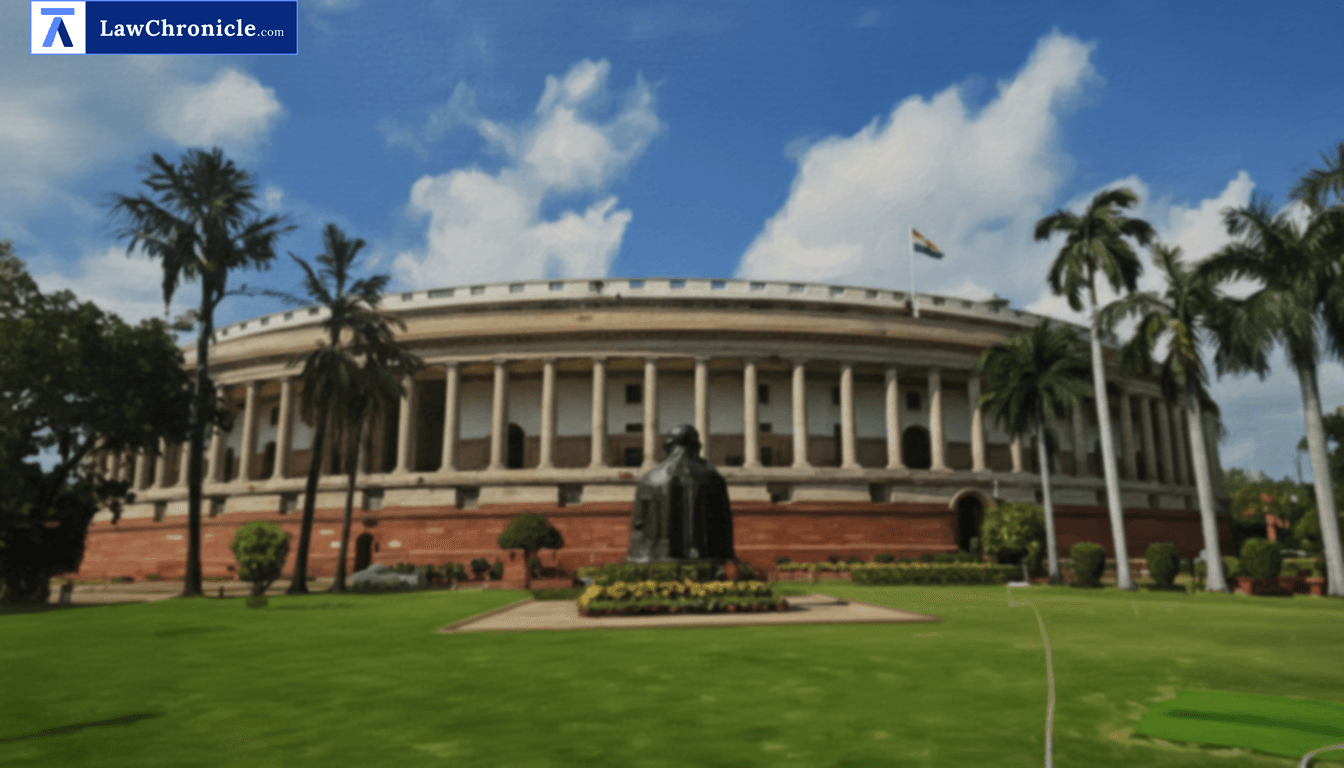
New Delhi witnessed the introduction of a series of significant legislative proposals in the Rajya Sabha on December 5, 2025, aiming to bring about extensive reforms across various sectors, from media protection and healthcare to environmental management and electoral processes. These Bills, spanning a wide array of subjects, seek to address contemporary challenges and modernize India's legal framework.
One notable proposal, the National Committee for Protection of Media Persons Act, 2024, was introduced to establish a centralized mechanism to safeguard media professionals against violence, intimidation, and arbitrary censorship. The Statement of Objects and Reasons highlighted India's declining ranking in the Press Freedom Index and the alarming number of attacks on journalists, emphasizing the urgent need for a uniform law to protect their rights and freedoms. The Bill mandates the creation of a National Committee for Protection of Media Persons, which would maintain a public register of media persons and be empowered to investigate violence, recommend emergency protection measures, and ensure that media persons are not compelled to disclose their sources in legal proceedings. A particularly strong provision states: “Provided that no arrest shall be made unless it is sanctioned by the Committee.” This Committee, comprising an Executive Council, a Unit for Admitting Cases and Rapid Reaction, and a Risk Evaluation Unit, would also oversee the registration of media persons and have powers akin to a civil court. The legislation is slated to come into force on a date to be appointed by the Central Government through a notification in the Official Gazette.
In a move towards greater inclusivity, the Surrogacy Laws (Amendment) Act, 2024, and the Sexual Harassment of Women at Workplace (Prevention, Prohibition and Redressal) Amendment Act, 2024, were introduced. The Surrogacy amendment seeks to broaden the definition of "intending person(s)" and "commissioning person(s)" to include same-sex couples, heterosexual married couples, and single males and females, addressing the "heteronormative, patriarchal and exclusionary" nature of existing laws. Similarly, the Sexual Harassment amendment proposes to change the Act's title to "Sexual Harassment of Persons at Workplace" and expand its scope to cover "persons of all gender" and explicitly include "gig workers" and "platform workers," ensuring broader protection against workplace harassment. It also extends the complaint filing period from three months to one year and mandates representation from Scheduled Castes, Scheduled Tribes, Other Backward Classes, and minority communities on Internal Committees, alongside a new provision for a member from the informal sector on Local Committees. Both these Acts will come into force on dates appointed by the Central Government.
The Urban Areas (Development and Regulation) Act, 2024, aims to establish a Committee to manage India's rapid urbanization, which has led to significant challenges including the growth of slums. The Bill proposes a comprehensive approach to urban development, including a complete ban on encroachment upon lakes, wetlands, and rivers, and promoting sustainable practices like electric buses and e-participation of urban local bodies. The Constitution (Amendment) Act, 2025, seeks to remove the words "SOCIALIST" and "SECULAR" from the Preamble, arguing that their inclusion during the Emergency period violated democratic principles and that the original vision of the Constitution's framers did not necessitate these terms. This Bill, if enacted, would come into force on a date appointed by the Central Government.
Further legislative scrutiny is proposed through the Legislative Impact Assessment Act, 2024, which mandates post-enactment evaluation of laws to ensure they achieve their objectives and do not create unforeseen challenges. This Act would establish Legislative Impact Assessment Units within each Ministry and a central Legislative Impact Assessment Committee to conduct regular reviews and recommend adjustments. Complementing this, another Constitution (Amendment
 Breaking News