


Prolonged Incarceration Trumps Commercial Quantity Restrictions: Himachal HC Grants Parity Bail
 Copy Link
 Share
 Save
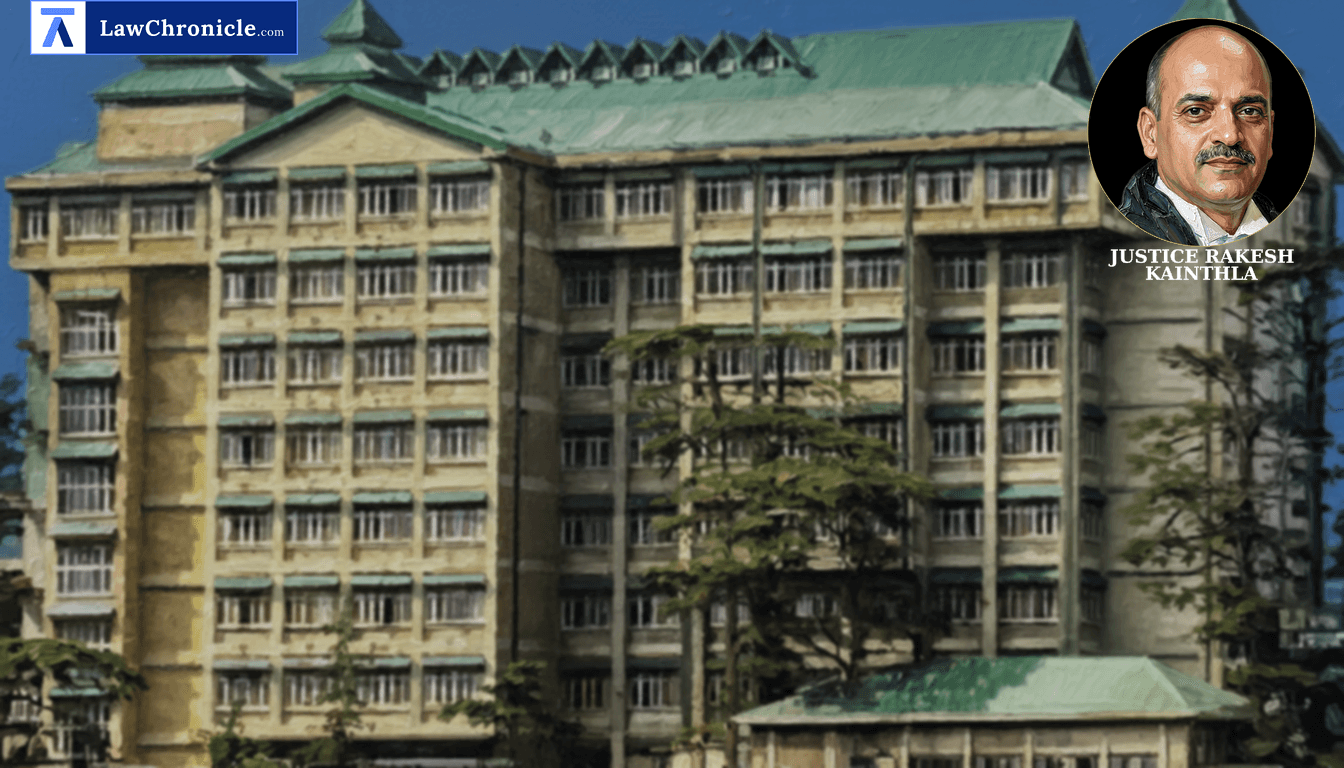
The High Court of Himachal Pradesh has underscored the supremacy of the right to a speedy trial over the stringent embargoes of the drug laws, ruling that an accused is entitled to bail if a co-accused has been released by the Supreme Court due to prolonged trial delays. This decision reinforces the principle of parity in criminal jurisprudence, ensuring that the custody period of one accused serves as a benchmark for similarly situated co-defendants.
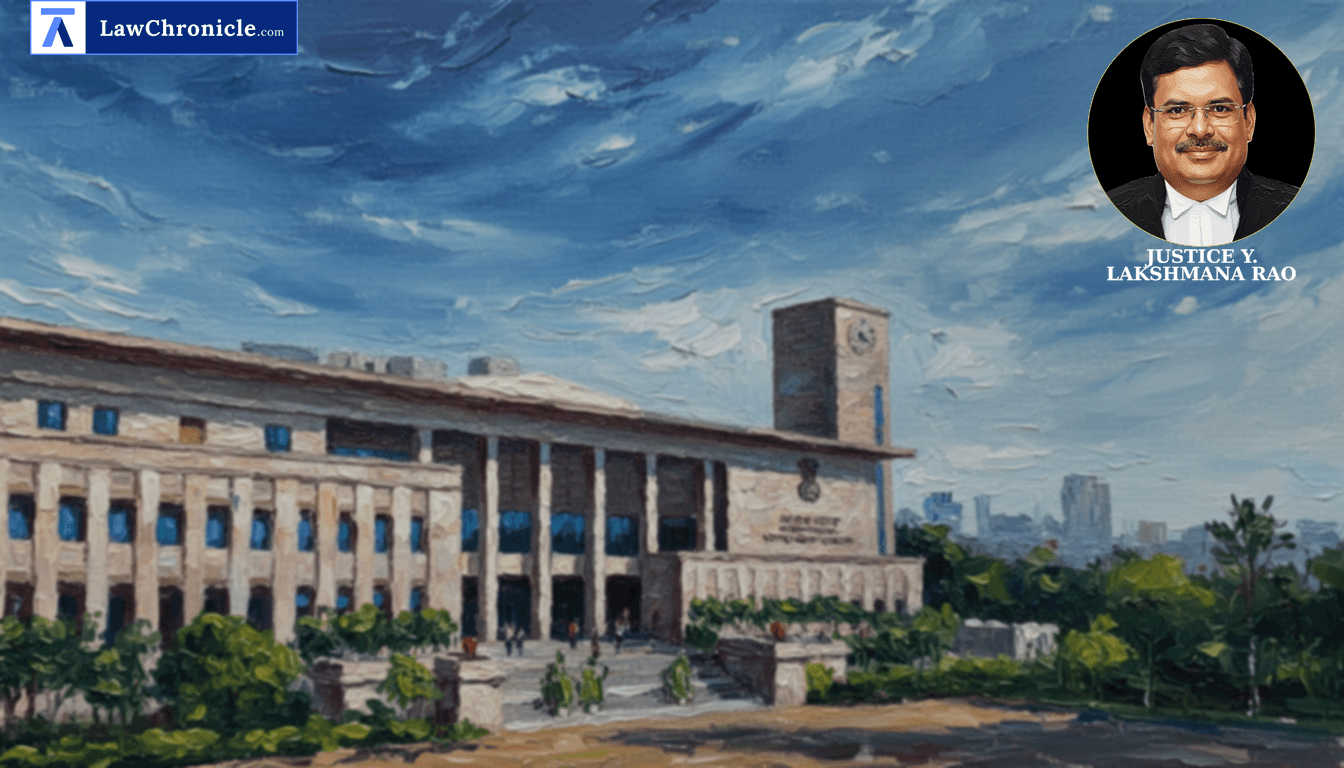
Justice Rakesh Kainthla, sitting as a Single Judge bench, adjudicated upon the regular bail petition of an individual entangled in a commercial quantity narcotics case. The Court navigated the complexities of successive bail applications and the binding nature of superior court orders in granting relief.
Key Takeaways
Parity as a Decisive Factor
Where the Supreme Court grants bail to a co-accused based on incarceration length, High Courts are inclined to extend the same benefit to other accused persons to maintain judicial consistency.
Speedy Trial Rights
Even in cases involving commercial quantities of contraband, the constitutional right to a speedy trial can outweigh the statutory restrictions under Section 37 of the Narcotic Drugs and Psychotropic Substances Act.
Threshold for Successive Bail
A subsequent bail application is only maintainable if there is a 'material change in circumstances,' which includes new facts, changes in law, or orders passed by higher forums regarding co-accused.
Judicial Rationale and Observations
The Court noted that the petitioner's co-accused, Hardik Chawda, had already been enlarged on bail by the Supreme Court in SLP Criminal No. 13176 of 2026. The apex court had considered the incarceration period of over three years and six months as a sufficient ground for release, given the non-conclusion of the trial. The High Court observed that since the petitioner was apprehended in the same transaction, the same logic must apply.
The Court, in its reasoning, observed: "The Hon'ble Supreme Court has enlarged Hardik Chawda on bail on the ground that the period of incarceration undergone by him was more than 3 years and 6 months and the fact that the trial had not concluded was sufficient to grant bail to the co-accused. The petitioner was also apprehended along with Hardik Chawda, and if the period of incarceration undergone by Hardik Chawda was such as would entitle him to bail, the similar consideration would apply to the present petitioner as well."
The Court has the following directions:
"Therefore, the present petition is allowed, and the petitioner is ordered to be released on bail on such terms and conditions as may be imposed by the learned Trial Court and have been imposed in the case of co-accused Hardik Chawda. A copy of this order be sent to the Jail Superintendent of Model Central Jail, Kanda, District Shimla, H.P. and the learned Trial Court by FASTER."
Ratio
The principle of parity constitutes a 'material change in circumstances' justifying the grant of a successive bail application. When a co-accused is released by a superior court due to a violation of the right to a speedy trial under Article 21, the same benefit must be extended to other similarly situated accused persons, notwithstanding the gravity of the offence or the number of witnesses remaining.
Background
The case originated from FIR No. 44 of 2023 at Police Station Sadar, Mandi, where the police intercepted a vehicle and recovered 4.234 kg of Charas. The petitioner, Mangat Mohd., was allegedly driving the vehicle with co-accused Hardik Chawda. The prosecution relied on call detail records and toll plaza data to establish a conspiracy under Sections 20 and 29 of the Narcotic Drugs and Psychotropic Substances Act.
The petitioner had approached the High Court thrice previously, with all applications being dismissed in State of Maharashtra. Captain Buddhikota Subha Rao, Kalyan Chandra Sarkar v. Rajesh Ranjan @ Pappu Yadav ( "(2004) 7 SCC 528": 2004 CaseBase(SC) 837), State of T.N. v. S.A. Raja, Prasad Shrikant Purohit v. State of Maharashtra, and Ajay Rajaram Hinge v. State of Maharashtra context. The State argued that the trial was nearing completion with only four witnesses left. However, the Court, following the precedents in State of Maharashtra. Captain Buddhikota Subha Rao and Kalyan Chandra Sarkar v. Rajesh Ranjan @ Pappu Yadav ( "(2004) 7 SCC 528": 2004 CaseBase(SC) 837), emphasized that while res judicata does not apply to bail, a substantial change in facts is required. The Supreme Court's intervention for the co-accused provided that necessary change, leading to the petitioner's release.
Case Details:
Case No.: Cr. MP(M) No. 2059 of 2026
Neutral Citation: 2026:HHC:47929
Case Title: Mangat Mohd. Versus State of H.P.
Appearances:
For the Petitioner(s): Ms Kiran Dhiman, Advocate.
For the Respondent(s): Mr P.K. Nadda, Additional Advocate General.
Source: 2026 CaseBase(HP) 11166
Similar Articles
 Breaking News


