Rajasthan HC Acting CJ Row: Justice Sandeep Mehta’s Letters and CJI Surya Kant’s Response Explained
 Copy Link
 Share
Share Save
Save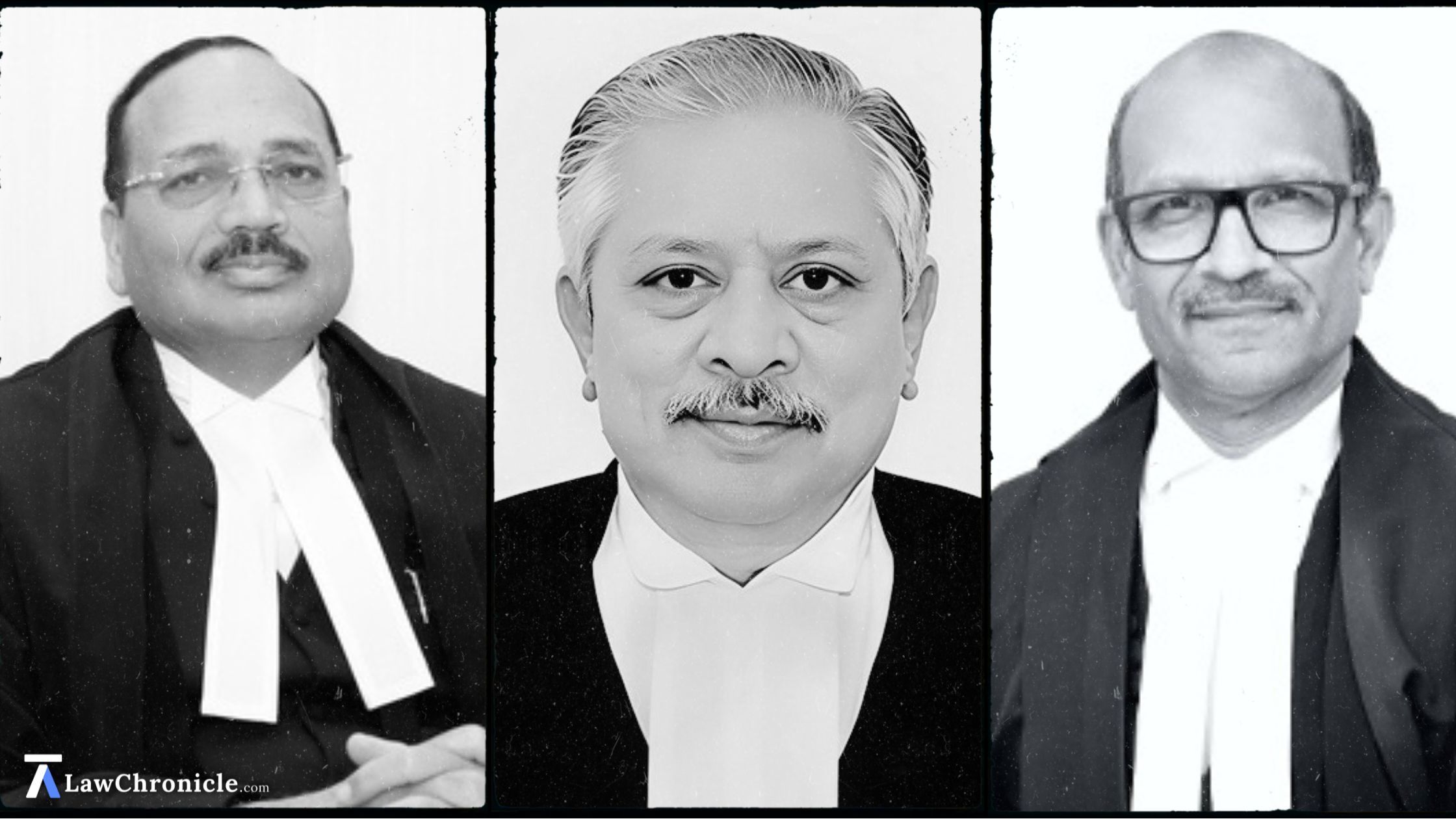
A controversy has emerged within the higher judiciary following a series of letters reportedly written by Supreme Court Judge, Justice Sandeep Mehta, to Chief Justice of India Surya Kant. The said letters reportedly raised allegations concerning the functioning of Rajasthan High Court Acting Chief Justice Sanjeev Prakash Sharma.
Justice Sandeep Mehta has reportedly urged the Supreme Court Collegium to appoint a permanent Chief Justice from another High Court to head the Rajasthan High Court and sought the transfer of Justice Sharma out of the State. As per reports, the allegations concern the alleged exercise of administrative and roster powers, case listings, favouritism and other aspects of the functioning of the Rajasthan High Court.
Justice Mehta’s Letters and Allegations
According to reports, Justice Sandeep Mehta wrote three letters to CJI Surya Kant dated 2nd, 10th and 17th August, 2026. In the letters, he is reported to have raised concerns regarding the functioning of Justice Sharma as Acting Chief Justice of the Rajasthan High Court and urged the Collegium to appoint a Chief Justice from another High Court.
Reports concerning the letters state that Justice Sandeep Mehta alleged, among other things, selective withdrawal and listing of cases, alleged misuse of administrative and roster powers, and favoritism towards certain litigants and lawyers. He is also reported to have questioned the continuation of an Acting Chief Justice arrangement at the Rajasthan High Court.
Some of the reported allegations relate to particular cases and administrative decisions of the Rajasthan High Court. Justice Mehta is reported to have referred to matters involving land and mining disputes and alleged that certain cases were listed before benches headed by Justice Sharma in circumstances that, according to him, raised concerns regarding the exercise of roster and administrative powers. The reports further state that Justice Mehta raised concerns regarding alleged nepotism, favouritism and maladministration and sought the transfer of Justice Sharma from Rajasthan.
CJI Surya Kant on Allegations against Rajasthan HC Acting Chief Justice
On 26th August, CJI Surya Kant responded to the controversy and said that he and the other members of the Collegium had taken note of the concerns raised by Justice Mehta. According to reports, CJI maintained that allegations concerning a sitting judge must be dealt with through the established institutional mechanism, rather than through competing claims in the public domain. The CJI also reportedly said that allegations against judges cannot be determined through competing claims made in the media.
CJI Surya Kant reportedly emphasized that the allegations contained in the letters could not themselves be treated as findings against Justice Sharma. He stated that the concerned judge must be given a fair opportunity to place his response before any conclusion is reached.
Rajasthan High Court Bar Reports
Separately, The Indian Express reported that the Rajasthan High Court Advocates Association, Jodhpur, had on August 25 written to the CJI seeking the transfer of Justice Sharma out of Rajasthan and the appointment of a permanent Chief Justice. The association reportedly cited concerns regarding the relationship between the Bar and the Bench. This communication preceded the wider publication of reports concerning Justice Mehta's letters.
Press statement circulating on social media
A document titled “PRESS STATEMENT”, attributed to CJI Surya Kant, is also circulating across news platforms and social media in connection with the Rajasthan HC Acting Chief Justice controversy. The document contains the substance of the CJI's reported response, including the statement that allegations against a sitting judge must be dealt with through the established institutional mechanism and that the concerned judge must be given an opportunity to respond.
The document reproduced here has not, as of the time of publication, been located on the official website of the Supreme Court of India or through an identifiable official Supreme Court social-media post. It is therefore being reproduced only as a document circulating on social media and should not independently be treated as an officially published Supreme Court PDF.
 Breaking News