Refusing to marry after Engagement, hiding prior marital status may constitute Abetment: Bombay HC
 Copy Link
 Share
Share Save
Save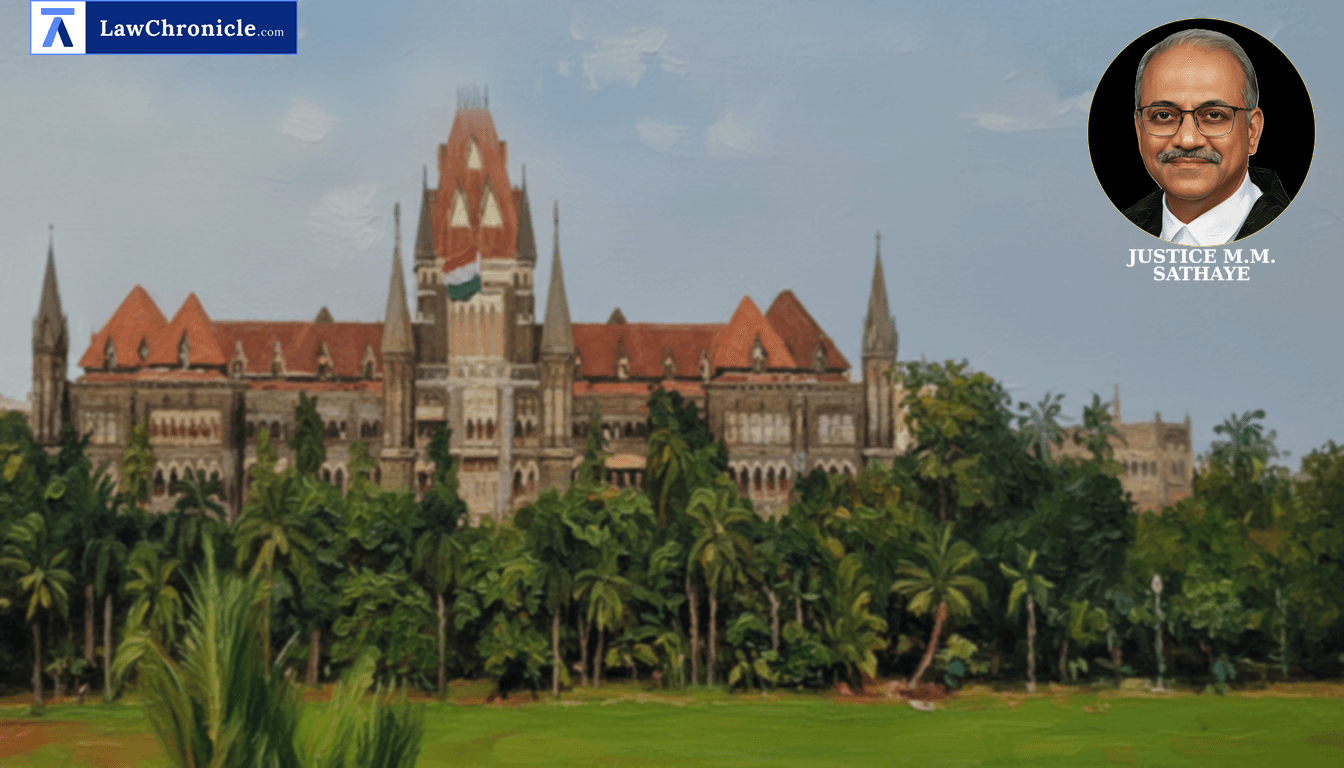
The Bombay High Court has ruled that a man suddenly refusing to marry after engagement days before ceremony, and the concealment of prior marital status, creates a triable case for abetment of suicide. Justice M.M. Sathaye dismissed a revision application filed by a businessman seeking discharge from a criminal case involving the suicide of his former fiancée. The Bench emphasized that at the stage of discharge, it cannot act as a trial court to weigh evidence beyond reasonable doubt but must only determine the existence of a prima facie case.
Key Takeaways
- Prima Facie Threshold for Abetment
Refusing to marry after engagement, fixing a date and distributing invitation cards can be seen as an immediate cause or indirect instigation requiring trial.
- Impact of Concealment of Facts
Withholding divorce documents despite repeated promises may satisfy the requirement of intentional aid or instigation under Section 306 of the Indian Penal Code, 1860.
- Limited Scope of Discharge Jurisdiction
Courts cannot conduct a 'mini-trial' or meticulously examine inconsistencies in witness statements while deciding an application for discharge.
- Vulnerability as a Factor
The Bombay High Court recognized that the background of an individual, including past broken relationships, makes them sensitive and vulnerable to further emotional distress.
Prima Facie Evidence Overrides Discharge Plea
The Bombay High Court observed that one day prior to the incident, a quarrel had taken place regarding the applicant not supplying divorce papers from his earlier marriage. The marriage was scheduled for August 7, 2004, and invitation cards had already been distributed. The Bench noted that the deceased could not bear the humiliation she felt about the whole situation and the impending disrepute to her family.
Justice Sathaye noted that whether the Applicant refusing to marry after engagement and non-supply of divorce papers proved to be the "last straw on the back of the camel" is a matter that can only be decided after a trial on the appreciation of evidence.
On Refusal to Marry
The Bombay High Court scanned through the preliminary evidence for the purpose of discharge, weighing upon the refusal to marry after engagement. The Bench observed that "It appears from the material available that parties knew each other's past including the past broken relationships of the deceased thereby making her sensitive and vulnerable to one more such incident. Whether the Applicant’s refusal to marry and non-supply of divorce papers proved to be the ‘last straw on the back of the camel’ that broke it, will have to be decided at the time of trial." The Bombay High Court therefore dismissed the revision application for discharge in the case of abetment of suicide.
Ratio
At the stage of discharge under Section 227 of the Criminal Procedure Code, 1973, the court is not required to determine if the evidence would warrant a conviction but only whether there is a ground for presuming the commission of the offence. In cases of abetment of suicide under Section 306 of the Indian Penal Code, 1860, the proximity of the accused's conduct to the act of suicide and the specific vulnerability of the victim are factors that necessitate a full trial rather than a summary discharge.
Background
The Applicant and the deceased were engaged to be married in 2004. Disputes arose when the Applicant failed to produce divorce papers from his previous marriage, despite promising to do so. On the day of the incident, the Applicant explicitly refused to marry the deceased during a meeting with her mother. Shortly thereafter, the deceased committed suicide by hanging.
The Applicant sought discharge under Section 227 of the Criminal Procedure Code, 1973, arguing that mere refusal to marry does not constitute abetment and that there was no 'mens rea' or direct instigation. He relied on Sanju Vs. State of Madhya Pradesh, Gangula Mohan Reddy Vs. State of Andhra Pradesh ( "(2010) 1 SCC 750": 2010 CaseBase(SC) 1594), and Kamaruddin Dastagir Sanadi Vs. State of Karnataka to argue that emotional distress does not equate to a crime. However, the prosecution, relying on Union of India Vs. Prafulla Kumar Samal & Anr ( "(1979) 3 SCC 4": 1978 CaseBase(SC) 17) and State of Tamil Nadu Vs. N. Suresh Rajan & Ors, argued that the proximity of the refusal to the suicide and the distribution of wedding cards created strong suspicion. The Bombay High Court upheld the Sessions Court's decision, refusing to interfere with the trial process.
Case Details:
Case No.: REVISION APPLICATION NO. 298 OF 2005
Neutral Citation: 2026:BHC-AS:37411
Case Title: Mr. Gautam Khandjua vs. State of Maharashtra & Anr.
Appearances:
For the Petitioner(s): Mr. Ashok Mundargi, Senior Advocate a/w Mr. Dipesh Mehta, Ms. Rumi Mirza, Mr. Kaushal Thakker & Ms. Sonea Kanal
For the Respondent(s): Ms. Manisha R. Tidke, APP
Source: 2026 CaseBase(BOM) 5648
 Breaking News