Section 174A Is A Stand‑Alone Offence; FIR And Proclamation Quashed After Acquittal
 Copy Link
 Share
Share Save
Save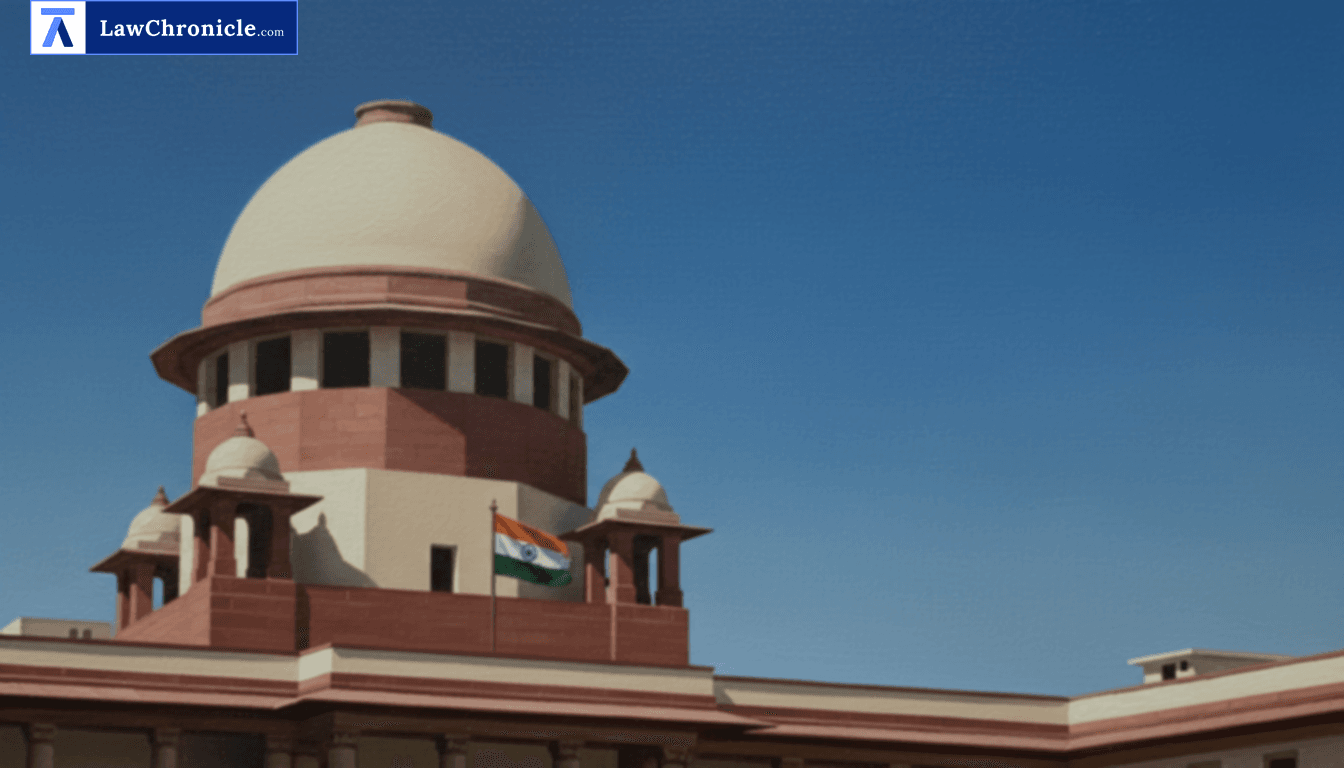
A bench of Justices C.T. Ravikumar and Sanjay Karol heard an appeal by Daljit Singh challenging the Punjab & Haryana High Court’s refusal to quash a 2010 complaint, the 2010 summoning order and a 2016 order declaring him a proclaimed offender under Section 82 Cr.P.C.
The Court allowed the appeal and set aside the High Court order and all connected proceedings. It held that Section 174A IPC — which penalises non‑appearance in response to a proclamation under Section 82 Cr.P.C. — is an “independent, substantive offence” and may be prosecuted even if the underlying proclamation subsequently ceased to subsist. The judgment noted that the offence arises at “the very instance at which a person is directed to appear, and he does not do so.” The Court, in its reasoning, observed: "In conclusion, we hold that Section 174A IPC is an independent, substantive offence, that can continue even if the proclamation under Section 82, Cr.P.C. is extinguished. It is a stand‑alone offence." The Court further quoted the statutory language, observing that Section 174A applied to “whoever fails to appear at the specified place and the specified time as required by a proclamation…”, underscoring that non‑appearance itself constituted the infraction.
Background The dispute arose from a contract for 8‑laning of a national highway awarded to a business run by the appellant. A subcontractor supplied stone crushing material which the complainant alleged did not meet specifications. Cheques issued as security and later payments led to contention; a cheque encashed on 16 October 2009 and another drawn on a bank guarantee account were disputed. A complaint was filed on 8 June 2010 and summons issued on 17 August 2010. The appellant did not appear and on 28 November 2016 the Judicial Magistrate, First Class, Bhiwani declared him and another director proclaimed offenders after a proclamation under Section 82 Cr.P.C.
The appellant later faced separate proceedings under Section 138 NI Act and, subsequently, stood acquitted in those proceedings. He was arrested on the proclaimed offender order on 19 December 2022 and released on bail the same day; the bail record recorded a compromise of Rs. 9.5 lakh towards settlement. A quashing petition under Section 482 Cr.P.C. filed in the High Court on 31 January 2023 was dismissed on 2 June 2023, prompting the present appeal.
The Supreme Court reviewed statutory text and precedent, including decisions on the scope and object of Section 82 Cr.P.C. and the evidentiary value of “absconding.” The Court explained that Section 82 is part of Chapter VI of the Cr.P.C. titled “Process to Compel Appearance” and that proclamations could only issue where a warrant had been issued. The Court accepted that while proceedings under Section 174A could only be initiated after a proclamation under Section 82 was issued, prosecution under Section 174A could continue even if the proclamation later ceased to subsist because the offence was complete at the moment of non‑appearance. The Court also observed established principles that absconding was a relevant but not conclusive piece of evidence and that courts must consider subsequent acquittal in the underlying proceedings. Given the appellant’s acquittal and the factual matrix (including payment under the compromise), the Court found no further need to secure his presence, quashed the High Court judgment, set aside the proclaimed‑offender order, and directed that all criminal proceedings including the FIR under Section 174A IPC be closed. Pending applications stood disposed of.
Case Details: Case No.: Criminal Appeal No. 4359 of 2024 (Arising out of SLP (Crl.) No. 12606/2023) Case Title: Daljit Singh v. State of Haryana & Anr. Appearances: For the Petitioner(s): Sh. Devender Singh Tanwar (counsel for the accused in bail record) For the Respondent(s): Sh. Raj Kumar Gugnani (advocate for the complainant; State representation not specified in judgment)
 Breaking News