


Section 195 CrPC Not Attracted Where Suit Is Withdrawn and Forgery Occurs in Record Room, SC Dismisses Appeal
 Copy Link
 Share
 Save
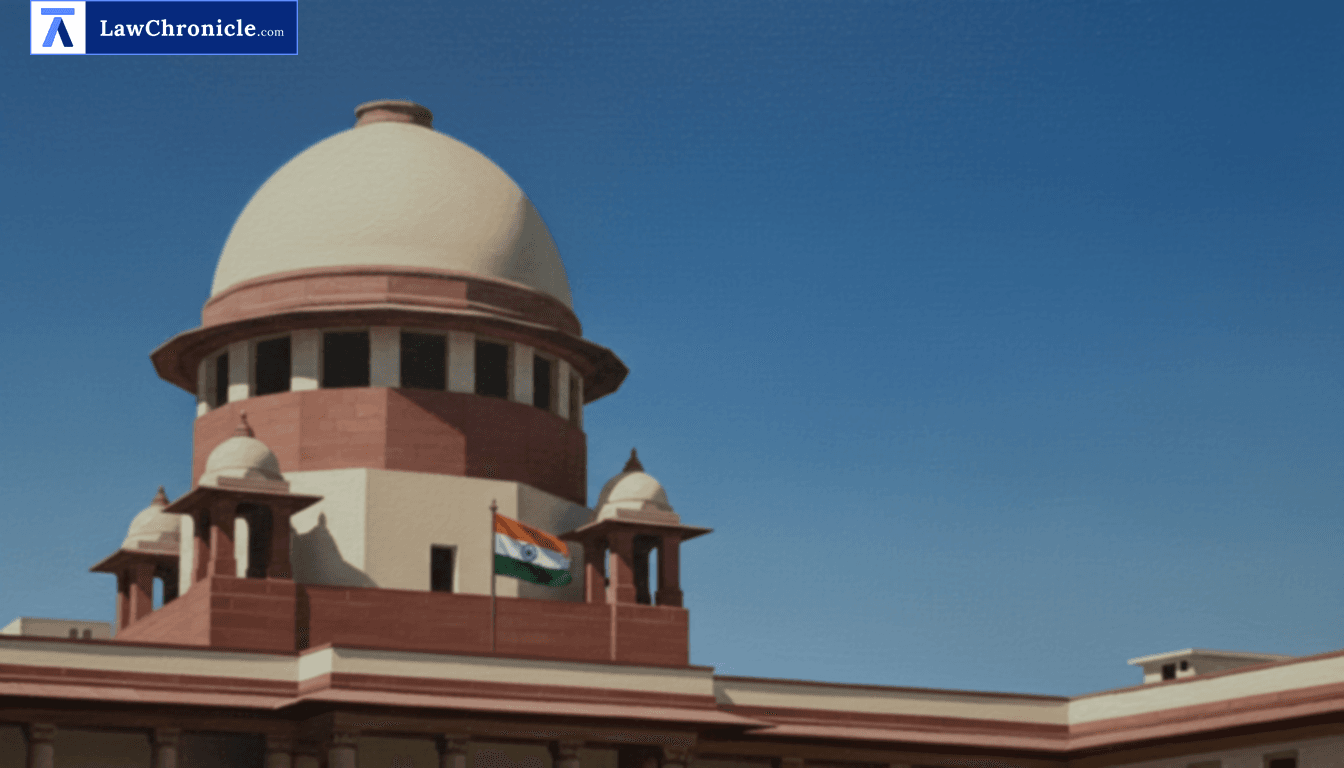
A Bench of Justices Bela M. Trivedi and Prasanna B. Varale heard Criminal Appeal No. 838 of 2011 arising from a challenge to a Gujarat High Court judgment that dismissed a Special Criminal Application. The appellant contested the High Court's refusal to quash proceedings initiated on an FIR alleging tampering with court records, forgery and related offences, principally contending that Section 195 CrPC and Section 340 CrPC barred cognizance except on a complaint by the presiding judge.
The Supreme Court summarised the principal holding by upholding the High Court’s conclusion that Section 195 did not bar prosecution in the facts of the case and dismissed the appeal. The Court accepted the distinction between offences committed in relation to a live judicial proceeding and acts done after a proceeding had been withdrawn and its files placed in the record room. The Court, in its reasoning, observed: “In the opinion of this Court, once a proceeding is withdrawn, there would be no proceeding before the Court... by merely maintaining the documents in the record room, it cannot be said that the documents are in custodia legis, as envisaged under Section 195 of the Code. Hence, tampering with the record which is kept in the record room after the suit is disposed of would not fall within the purview of the provisions of section 195 of the Code.” The Court also relied on the principles in Iqbal Singh Marwah and M.R. Ajayan to hold that Section 195 is intended to bar only those prosecutions that directly affect the administration of justice in pending or concluded judicial proceedings where documents were in custodia legis.
Background The dispute arose from a 2003 special civil suit instituted by the appellant as a power of attorney holder on behalf of a partnership firm for recovery of money, which was withdrawn by a pursis on 2 April 2003 after an out-of-court settlement. The plaint and associated records were forwarded to the District Court’s record room. The appellant later filed an execution petition on the basis of a decree that the complainant and court officers alleged was fabricated. The complainant (then Incharge Registrar, District Court, Bharuch) lodged an FIR on 28 July 2005 accusing the appellant and certain court employees of conspiracy, tampering with court records, forgery and allied offences; a chargesheet followed and a magistrate declined to quash proceedings.
The appellant argued before the Sessions Judge, the Gujarat High Court and ultimately the Supreme Court that offences relating to documents forming part of court records necessarily attracted Section 195(1)(b) and could be prosecuted only on a complaint signed by the presiding officer under Sections 195 and 340 CrPC. The High Court examined whether the alleged forgery and fabrication occurred in relation to a live proceeding or after the suit had been withdrawn and its records placed in custody of the record room. Relying on Iqbal Singh Marwah, the High Court held that only acts committed when a document was produced or given in evidence in court — thereby directly affecting the administration of justice — fell within Chapter XXVI; tampering with records kept in the record room after disposal did not. The High Court therefore dismissed the special criminal application. The Supreme Court concurred, applying the principles distilled in M.R. Ajayan regarding the scope of Section 195, and concluded that the offences did not fall within the bar under Section 195(1)(b) as the documents were not in custodia legis at the relevant time. The appeal was dismissed. No interim directions were recorded by the Supreme Court in the reported order.
Case Details: Case No.: Criminal Appeal No. 838 of 2011 Case Title: Parshottam Shantilal Chaddarwala v. The State of Gujarat & Anr. Appearances: For the Petitioner(s): Shri Ahmadi (Counsel for appellant) For the Respondent(s): State Counsel (names not specified in the reported judgment)
Similar Articles


 Breaking News


