


Sentence Reduced to Time Served in Decade-Old Land Dispute Assault Case: Jharkhand HC
 Copy Link
 Share
 Save
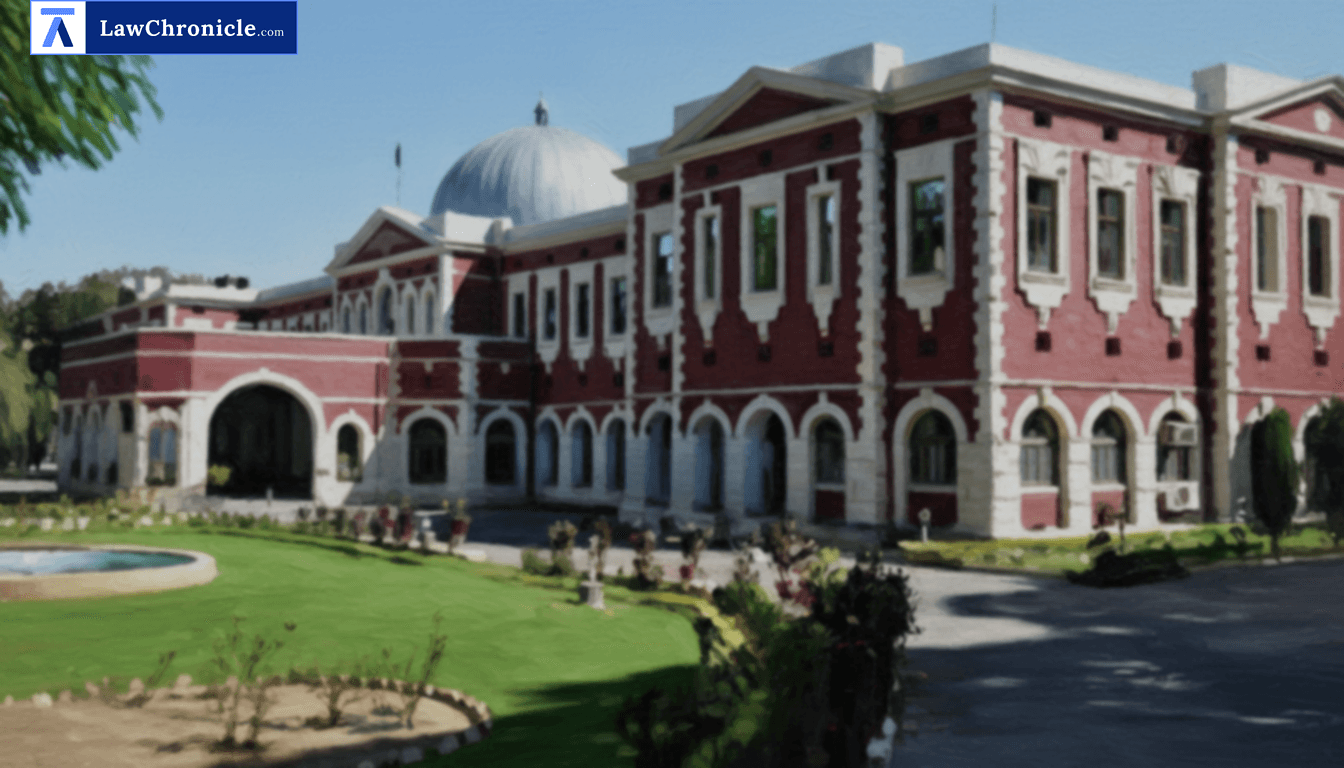
The Jharkhand High Court has modified the sentence of three individuals convicted in a 2011 assault case, ruling that the lapse of over a decade and the completion of two-thirds of the sentence justified a reduction to the period already undergone. This decision underscores the court's prerogative to balance the finality of conviction with the practicalities of long-term litigation and the conduct of the accused.
A single-judge bench comprising Justice Pradeep Kumar Srivastava adjudicated the criminal revision application filed against the concurrent findings of the lower courts. The petitioners challenged a judgment that had affirmed their conviction for simple hurt while seeking leniency in the quantum of punishment.
Key Takeaways
Judicial Leniency for Protracting Litigation
High Courts may exercise discretion to reduce sentences in cases where the trial and appeal process has extended beyond a decade, provided the offense is not of a heinous nature.
Impact of Substantial Sentence Completion
Serving a significant portion of a short-term sentence (such as four out of six months) serves as a strong mitigating factor in revisionary jurisdictions.
Relevance of Criminal Antecedents
The absence of subsequent criminal activity during the pendency of a long-drawn legal battle weighs heavily in favor of a convict seeking a sentence modification.
Concurrent Findings on Guilt Upheld
The High Court observed that there was a concurrent finding regarding the guilt of the petitioners for the offense under Section 323 of the Indian Penal Code. Given the consistency in the evidence presented before the 2nd Assistant Sessions Judge and the Sessions Judge at Dumka, the Court found no grounds to interfere with the merits of the conviction. The revision was dismissed on its merits, sustaining the legal conclusion that the petitioners were responsible for the assault arising from a land dispute.
The Court has following directions:
"The sentence of the petitioners is modified to the extent of period already undergone by them. Petitioners are on bail, hence, they are discharged from the liabilities of bail bonds. The sureties are also discharged."
The Court, in its reasoning, observed: "The petitioners have faced agony of trial for more than one decade and have also undergone the imprisonment of about four months. The petitioners are not involved in any criminal activity, therefore, sentence awarded to the petitioners by the learned trial court is reduced to the imprisonment already undergone."
Ratio
In criminal revisions involving non-heinous offenses like Section 323 of the Indian Penal Code, where the accused has no prior criminal history and the litigation has spanned over a decade, the High Court may modify the sentence to the period already served to meet the ends of justice, even while upholding the conviction on merits.
Background
The dispute originated on July 14, 2011, when the informant, Baijan Mandal, discovered the petitioners and others ploughing his field. A physical altercation ensued involving knives and 'Dabias' (traditional sharp weapons). While the prosecution initially sought charges under Section 307 (Attempt to murder) of the Indian Penal Code, the trial court eventually convicted the petitioners under Section 323 (Punishment for voluntarily causing hurt) and sentenced them to six months of simple imprisonment.
The petitioners argued that having already served four months of the six-month sentence and having lived as law-abiding citizens for the thirteen years since the incident, they should not be sent back to prison. The State, while defending the conviction on merits, did not strongly oppose the prayer for a reduction in sentence.
Case Details:
Case No.: Cr. Revision No. 1315 of 2017
Neutral Citation: 2026:JHHC:28279
Case Title: Shambhunath Mandal and Others vs. The State of Jharkhand
Appearances:
For the Petitioner(s): Mr. Arvind Kumar Choudhary, Advocate
For the Respondent(s): Mr. Pankaj Kumar, P.P.
Source: 2026 CaseBase(JHKD) 3153
Similar Articles
 Breaking News


