Supreme Court asks States to frame policy on hospital pharmacy pricing; declines judicial regulation of private hospitals
 Copy Link
 Share
Share Save
Save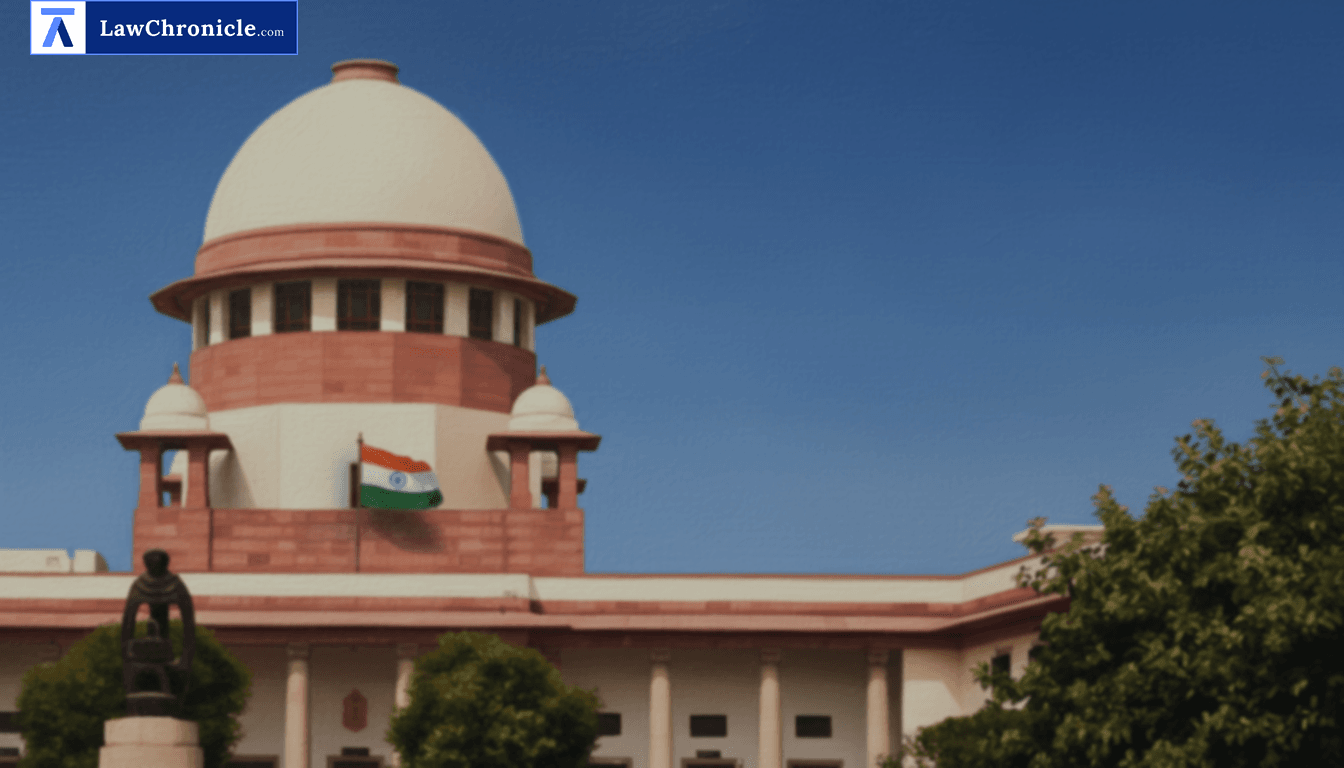
A bench of Justices Surya Kant and Nongmeikapam Kotiswar Singh heard a public interest writ under Article 32 challenging the practice of private hospitals requiring patients to purchase medicines, devices and consumables from hospital-affiliated pharmacies at allegedly inflated rates. The petitioners sought directions restraining such compulsion and asked the Union and States to adopt regulatory or corrective measures to prevent exploitation and protect the right to life under Article 21.
The Court declined to issue sweeping judicial directives regulating pricing inside private hospitals and held that the matter primarily involved policy choices for the executive. The Court noted the constitutional and practical dimensions of healthcare delivery and observed that “the policy-makers are the best equipped to take a holistic view and formulate the guidelines as may be required” to balance protection of patients with the legitimate interests of private providers. The Court, in its reasoning, observed: “All these issues are undoubtedly of paramount public importance. It, however, seems to us that such issues primarily involve policy decisions, for which the policy-makers are the best equipped to take a holistic view and formulate the guidelines as may be required, to safeguard the patients or their attendants from exploitation while simultaneously, ensuring that there is no discouragement and unreasonable restriction on private entities from entering the health sector.” The petition was disposed with a direction to all State Governments “to consider this issue and take appropriate policy decisions as they may deem fit.” The Court also clarified that it had “not expressed any opinion on the merits of the case.”
Background
The petition arose from the treatment of petitioner No.1’s mother for breast cancer beginning July 2017, during which the petitioners alleged that private hospitals compelled patients to buy medicines and consumables from hospital pharmacies that charged rates far above notified market prices. The petitioners contended that hospitals did not disclose MRPs and that many consumables fell outside the Drugs and Cosmetics Act’s definition of “drugs”, leaving patients with little choice and vulnerable to exploitation. They invoked Articles 21, 38, 39 and 47 and sought directions against private hospitals and for formulation of a policy by the Union/States.
The Union of India and numerous States filed counter-affidavits noting existing mechanisms: the National Council for Clinical Establishments’ minimum standards for pharmaceutical services, the Drug Price Control Order, 2013, the role of the National Pharmaceutical Pricing Authority (NPPA), and State schemes such as Jan Aushadhi Kendras, Amrit Drug Stores and cashless treatment programs. Several States questioned locus and emphasized that public health and hospitals are a State List subject.
The Court framed three issues: whether private-hospital affairs concerning pricing and sale of medicines/consumables could be regulated administratively or legislatively; the permissible extent of such measures; and the appropriate enforcement mechanism. After hearing, the Court held that the questions were of policy and best addressed by State Governments, given that public health fell under the State List and that judicially imposed, rigid directions might impede private investment in healthcare. The Court therefore disposed of the writ petition by directing States to consider and, if thought fit, frame suitable policy responses; it disposed of all pending interlocutory applications and expressly refrained from adjudicating the merits. The Court’s order left open the possibility of executive regulation, reference to existing pricing authorities and State-specific policy measures.
Case Details: Case No.: Writ Petition (C) No. 337 of 2018 Case Title: Siddharth Dalmia & Anr. v. Union of India & Ors. Appearances: For the Petitioner(s): Counsel not specified in the judgment For the Respondent(s): Counsel for Union of India and various States; specific names not specified in the judgment
 Breaking News