


Supreme Court Dismisses Appeal and Restores Suit to Trial Court for Disposal in Accordance with Law
 Copy Link
 Share
 Save
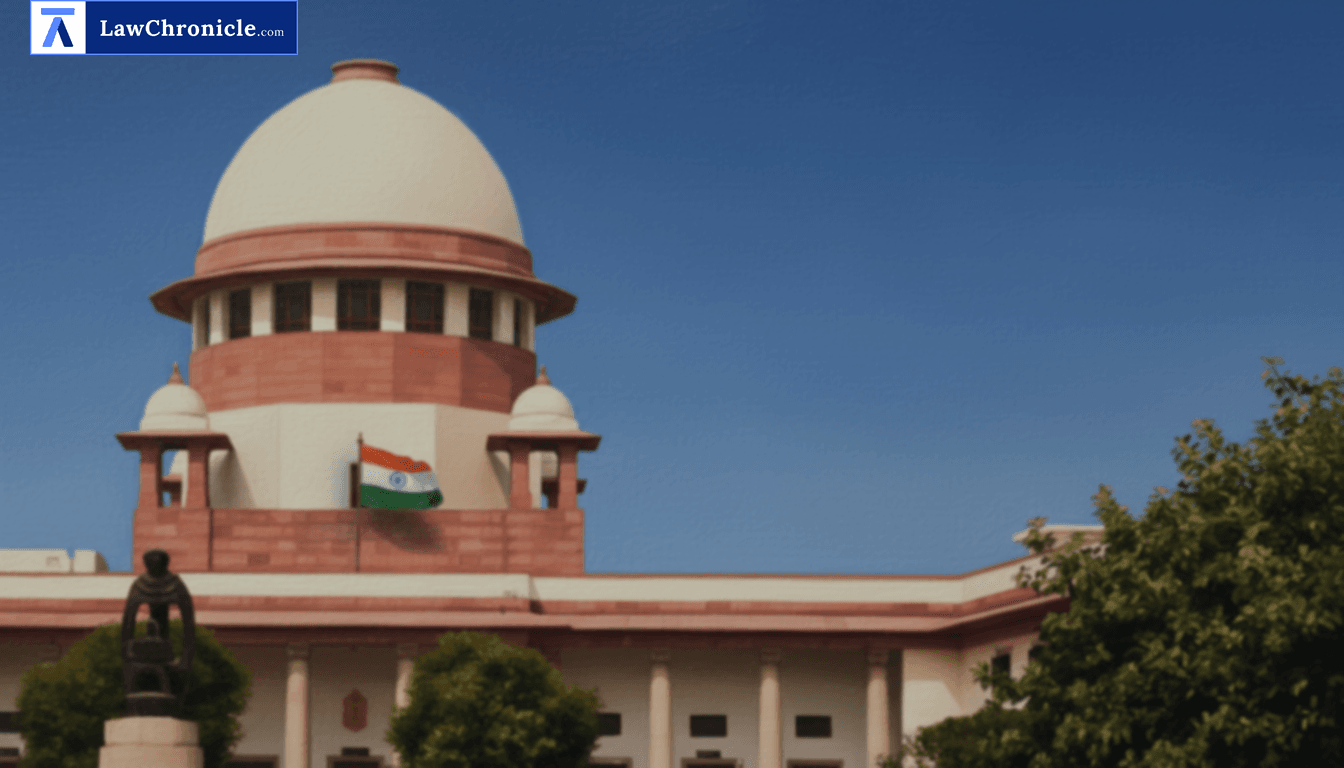
A bench of Justice B.V. Nagarathna and Justice R. Mahadevan heard an appeal by the appellant challenging the Karnataka High Court's order that set aside a trial court's rejection of a plaint under Order VII Rule 11 CPC. The dispute concerned ownership and possession of a one-acre property in Bilekahalli, Bengaluru, and raised preliminary objections including want of cause of action, limitation, res judicata and bar under Order II Rule 2 CPC.
The Court dismissed the appeal and held that the High Court was justified in restoring the plaint for adjudication by the trial court. The bench observed that the question whether the plaint disclosed a cause of action or was barred by limitation, res judicata or by the consolidation/joinder principles under Order II Rule 2 were matters that ordinarily required full trial and evidence and therefore could not be finally determined at the threshold unless the plaint was palpably unsustainable. The Court, in its reasoning, observed: “We do not think that this is an implication of the judgment of the High Court, nor can such a construction be given to its observations. All that the High Court meant was that the suit is restored on the file of the Trial Court and that it has to be decided in accordance with law, which would include all the above issues apart from the issues on the merits of the case.” The bench further relied on this Court’s precedents in Srihari Hanumandas Totala v. Hemant Vithal Kamat and Shakti Bhog Food Industries Ltd. v. Central Bank of India, and expressly recorded: “Hence, the appeal is dismissed.” The Court also directed that “with the cooperation of both sides, the Trial Court shall endeavour to expedite the disposal of the suit,” and ordered that parties bear their respective costs.
Background The respondents–plaintiffs had filed O.S. No.26246 of 2023 seeking a declaration of absolute ownership and possession of the suit schedule property (Sy. No.152/5, Bilekahalli) along with orders to set aside earlier judgments and to declare two registered sale deeds as null and void; they also sought permanent injunctions against alienation and construction. During pendency of the suit, defendant Nos.1–8 filed an application under Order VII Rule 11(a) and (d) read with Section 151 CPC (I.A. No.3) praying for rejection of the plaint on the ground that it did not disclose a cause of action and was barred in law. The trial court allowed the application on 15.03.2024 and rejected the plaint, leading to restoration proceedings before the Karnataka High Court in Regular First Appeal No.683 of 2024. The High Court allowed the appeal on 27.06.2024, set aside the trial court’s order and restored the suit.
On appeal to the Supreme Court, the appellant contended that the plaint failed to disclose any cause of action, was time-barred, and that the reliefs could have been sought in earlier suits which were dismissed or withdrawn, invoking res judicata and Order II Rule 2 CPC. The respondents contended that these were triable issues of fact and law and that the threshold dismissal of the plaint was not warranted. The Supreme Court found that the High Court correctly applied the legal standard for rejection of a plaint and that the disputed preliminary pleas required adjudication in the trial court with evidence. The bench clarified that restoration did not preclude defendants from raising limitation, res judicata or Order II Rule 2 contentions during trial. The appeal was dismissed, the suit stood restored for decision in accordance with law, parties were directed to bear their own costs, and pending applications were disposed of. The Court urged expedition in trial disposal with cooperation of both sides.
Case No.: CIVIL APPEAL NO.5015/2025 (2025 INSC 1363)
Case Title: C.M. Meenakshi v. Archbishop of Bangalore & Others
Appearances:
For the Petitioner(s): Sri Anand Grover, Senior Counsel
For the Respondent(s): Learned senior counsel and learned counsel for the respondents‑plaintiffs and for the respondent‑defendant in O.S. No.26246 of 2023 (names as recorded in the judgment)
Similar Articles

 Breaking News


