


Supreme Court Dissolves Marriage Under Article 142 for Irretrievable Breakdown, Directs Disposal of Multiple Matrimonial Suits
 Copy Link
 Share
 Save
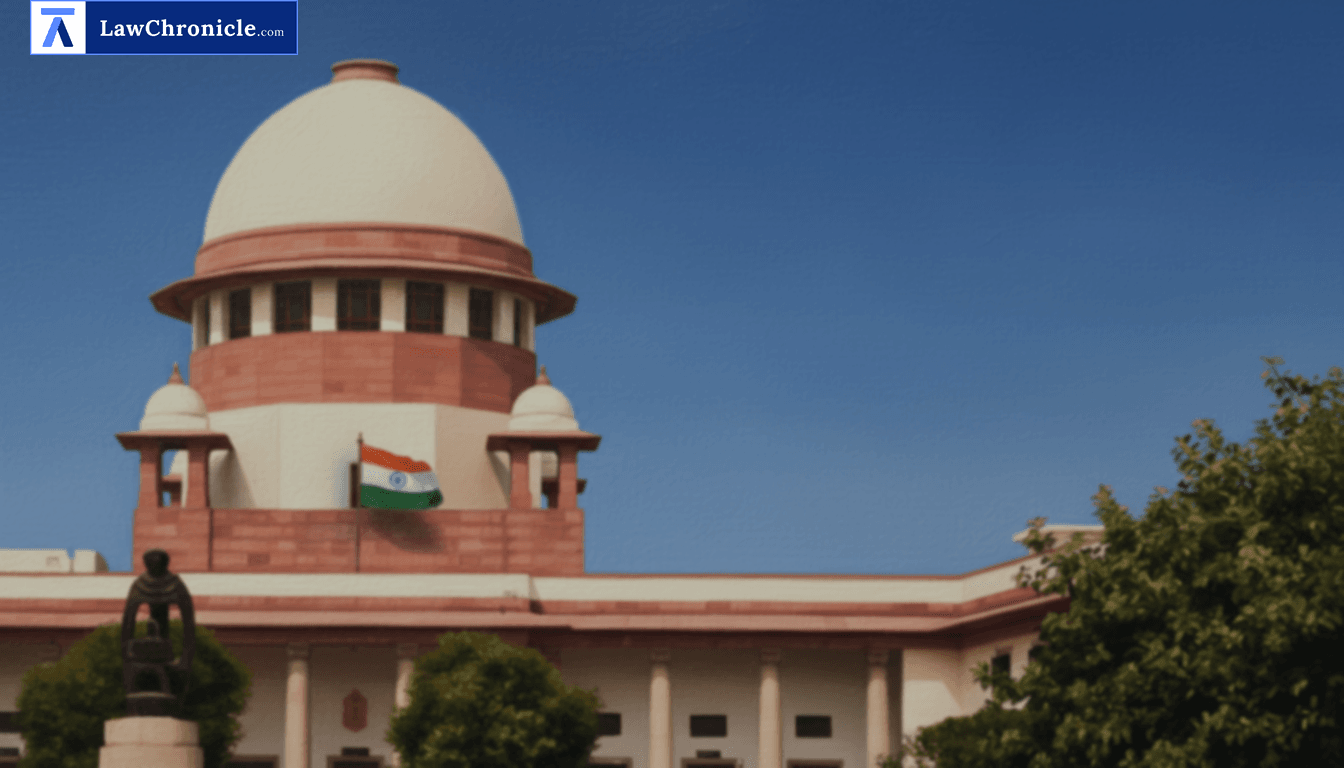
A Bench of Justice Rajesh Bindal and Justice Manmohan heard a transfer petition and an application under Article 142 of the Constitution in which the petitioner-wife sought transfer of perjury proceedings and, separately, invocation of the Court’s extraordinary jurisdiction to dissolve the marriage on the ground of irretrievable breakdown.
The Court allowed the wife's Article 142 petition and exercised its discretionary power to dissolve the marriage, holding that the parties' relationship had “completely failed” and there was no possibility of cohabitation. The Court noted that the spouses had lived together for only 65 days and had been litigating for over a decade, and it observed that “warring couples cannot be allowed to settle their scores by treating Courts as their battlefield.” The Court, in its reasoning, observed: “That the marriage has irretrievably broken down is to be factually determined and firmly established. For this, several factors are to be considered such as the period of time the parties had cohabited after marriage; when the parties had last cohabited; the nature of allegations made by the parties against each other and their family members; the orders passed in the legal proceedings from time to time, cumulative impact on the personal relationship; whether, and how many attempts were made to settle the disputes by intervention of the court or through mediation, and when the last attempt was made, etc. The period of separation should be sufficiently long, and anything above six years or more will be a relevant factor. But these facts have to be evaluated keeping in view the economic and social status of the parties, including their educational qualifications, whether the parties have any children, their age, educational qualification, and whether the other spouse and children are dependent, in which event how and in what manner the party seeking divorce intends to take care and provide for the spouse or the children. Question of custody and welfare of minor children, provision for fair and adequate alimony for the wife, and economic rights of the children and other pending matters, if any, are relevant considerations.” The Court expressly recorded: “we dissolve the marriage between the parties.” It directed that the parties “shall not indulge in further litigation with reference to their matrimonial dispute.”
Background The marriage was solemnised on January 28, 2012; the couple cohabited for 65 days and separated on April 2, 2012. Thereafter both parties instituted numerous civil and criminal proceedings against each other across Family Courts in Delhi and Lucknow, the Delhi and Allahabad High Courts and trial courts in Ghaziabad. The petitioner-wife moved this Court in Transfer Petition (Crl.) No.338 of 2025 and by separate I.A. sought dissolution under Article 142 on the ground of irretrievable breakdown; the husband contested, alleging harassment, false litigation and pending perjury applications under Section 340 CrPC and related provisions. The Court attempted mediation but the process did not succeed.
The Bench examined precedent including the Constitution Bench decision in Shilpa Sailesh v. Varun Sreenivasan and other authorities permitting dissolution under Article 142 where marriage was “wrecked beyond the scope of salvage,” assessed factors such as period of cohabitation, failed mediation attempts, absence of children and parties’ economic positions, and verified an extensive and inconsistent list of over 40 cases by seeking records from Registrars General of the relevant High Courts. The Court found the facts to establish irretrievable breakdown, observed that the petitioner did not claim alimony and therefore treated prior claims as settled, and granted the decree of divorce.
The Court ordered that all matrimonial cases listed in paragraph 8.8 of the judgment shall stand disposed of without further action, but carved out specified applications raising allegations of perjury and “polluting the stream of justice” — including several Section 340 CrPC and Section 379/215 BNSS matters — which would continue to be decided on merits. The Court directed transmission of its order to the concerned courts, granted liberty that any other pending matrimonial matter not listed would also stand disposed of on production of the order, and imposed costs of Rs.10,000 on each party to be deposited with the Supreme Court Advocates-on-Record Association.
Case Details: Case No.: TRANSFER PETITION (CRL.) NO.338 OF 2025 (reported at 2026 INSC 73) Case Title: Neha Lal v. Abhishek Kumar Appearances: For the Petitioner(s): Counsel for the petitioner (unnamed in the judgment) For the Respondent(s): Abhishek Kumar, appeared in person
Similar Articles
 Breaking News


