Supreme Court Stops Fresh Disciplinary Remand in 1984 Riots Case, Affirms Quashing of Demotion and Grants Pension Benefits
 Copy Link
 Share
Share Save
Save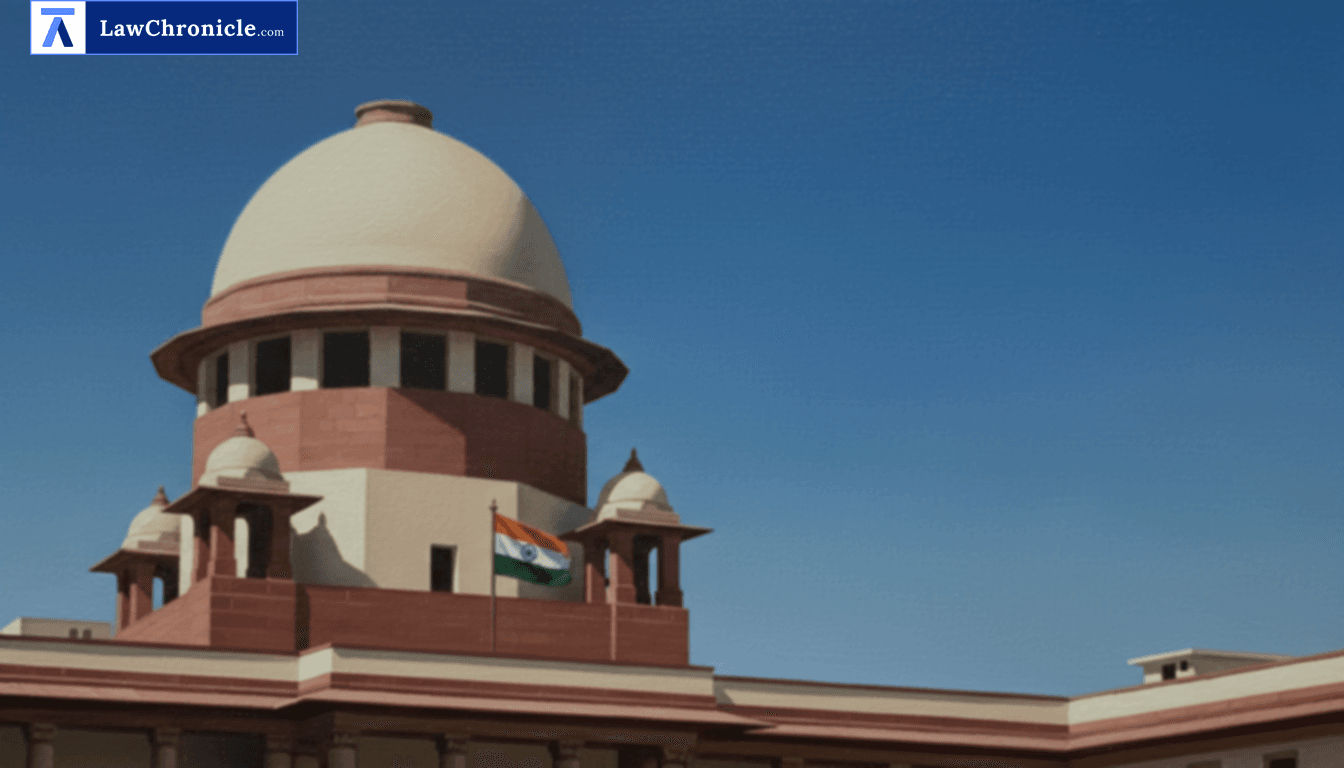
A bench of Justices Manoj Misra and Pamidighantam Sri Narasimha heard the appeal by Durga Prasad challenging a Delhi High Court order which set aside his punishment but granted the disciplinary authority liberty to issue a fresh note of disagreement and proceed afresh. The appeal arose from disciplinary proceedings relating to the appellant’s role as Station House Officer during the 1984 riots, and questioned whether the High Court should have permitted the authority to correct procedural defects after a long delay and the appellant’s retirement.
The Court allowed the appeal, set aside the High Court’s grant of liberty to the disciplinary authority to issue a fresh disagreement note, and affirmed the quashing of the punishment. The Court held that, having regard to the inquiry report, the material on record and the exceptional delay, it would be “too harsh” to remit the matter for fresh disciplinary exercise after four decades and after the appellant had retired. The Court, in its reasoning, observed: “We are conscious of the law that ordinarily where enquiry is found deficient, procedurally or otherwise, High Court should remand the matter back to the authority concerned for redoing the exercise from the stage where the error crept in. However, it is equally settled that where there is long time-lag or circumstances are such that a remand at that stage would be unfair, or harsh, or otherwise unnecessary, the High Court can exercise its discretion and pass suitable orders as the facts and circumstances of the case may demand.” The Court further recorded that “The appeal is, therefore, allowed. The writ petition of the appellant stands allowed. The appellant shall be entitled to all consequential benefits including revision of pension, if any payable, accordingly.”
Background The dispute traced to the appellant’s posting as SHO, Kingsway Camp, during the 1984 anti‑Sikh riots. A Committee criticising police failures led to a charge memo in 1992 alleging dereliction of duty. An inquiry officer, after detailed consideration of witness testimony and documentary material, submitted a report dated 28.01.1999 exonerating Durga Prasad of the four overlapping charges (failure to utilise staff and take preventive measures; non‑use of tear gas/lathi/firing; failure to implement Section 144 and curfew; and non‑utilisation of additional force). The disciplinary authority initially ordered a de novo inquiry; the Central Administrative Tribunal quashed that direction but permitted, if so advised, issuance of a disagreement note after giving opportunity to the officer. In 2001 a disagreement note and notice were issued and a punishment of reduction in rank was imposed, demoting the appellant to Inspector till retirement. The appellant challenged the penalty before CAT (dismissed), then in the High Court. In 2022 the High Court quashed the punishment but granted the disciplinary authority liberty to issue a fresh note of disagreement within four weeks and proceed, allowing the disciplinary authority to pass appropriate orders thereafter. The appellant alone challenged that remand to the disciplinary authority before the Supreme Court.
On review of the inquiry report and the disciplinary authority’s disagreement note, the Supreme Court found that the inquiry officer had considered evidence showing limited resources, timely efforts including arrests and lathi‑charges, protective deployment at key installations, and testimony of the appellant’s immediate superior praising his conduct. The Court observed that the disagreement note “was more an expression of opinion regarding the appellant being guilty than a note of dissent with the findings returned by the Inquiry Officer” and that several criticisms in the note ignored material considered by the inquiry officer. Given the 38–40 year time lag, the appellant’s retirement and advanced age, and that the punishment imposed did not involve dismissal or removal (but reduction in rank), the Court concluded remand would be unduly harsh and unnecessary. The Supreme Court therefore set aside the High Court’s liberty to the disciplinary authority, affirmed quashing of the penalty and directed consequential benefits, including revision of pension, if any.
Case Details: Case No.: SLP (C) No.2111/2023 (Civil Appeal arising therefrom; reported as 2025 INSC 548) Case Title: Durga Prasad v. Government of NCT of Delhi & Ors. Appearances: For the Petitioner(s): Names not listed in the judgment record For the Respondent(s): Names not listed in the judgment record
 Breaking News