


Ten Persons From Different Families Mandatory For Society Registration: Bombay HC
 Copy Link
 Share
 Save
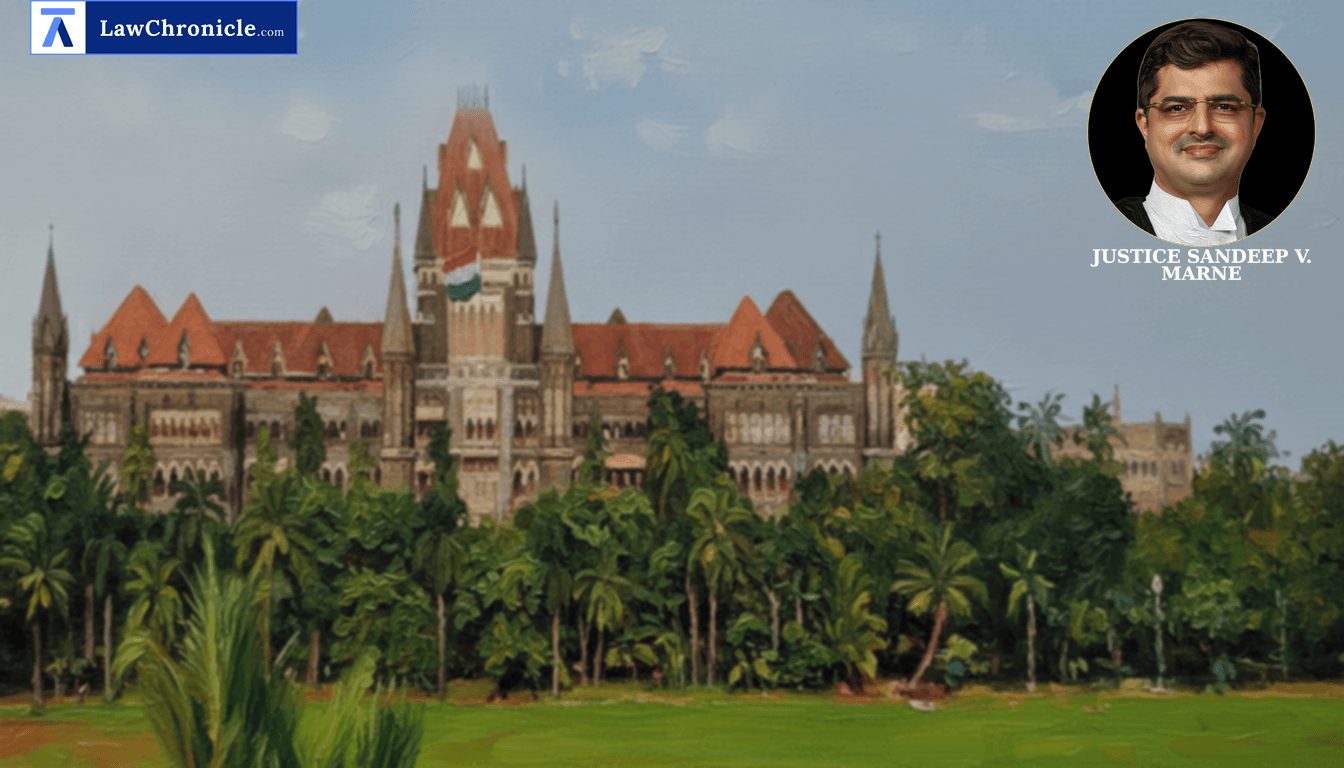
The Bombay High Court has delivered a stern reminder on the non-negotiable statutory thresholds for cooperative formations, ruling that the registration of a society by members of the same family is a fatal procedural illegality that cannot be cured by the passage of time. In a decisive blow to administrative oversights, the Bench upheld the cancellation of a 15-year-old registration, affirming that the requirement for ten independent persons from distinct families is a foundational pillar of the Maharashtra Co-operative Societies Act, 1960.
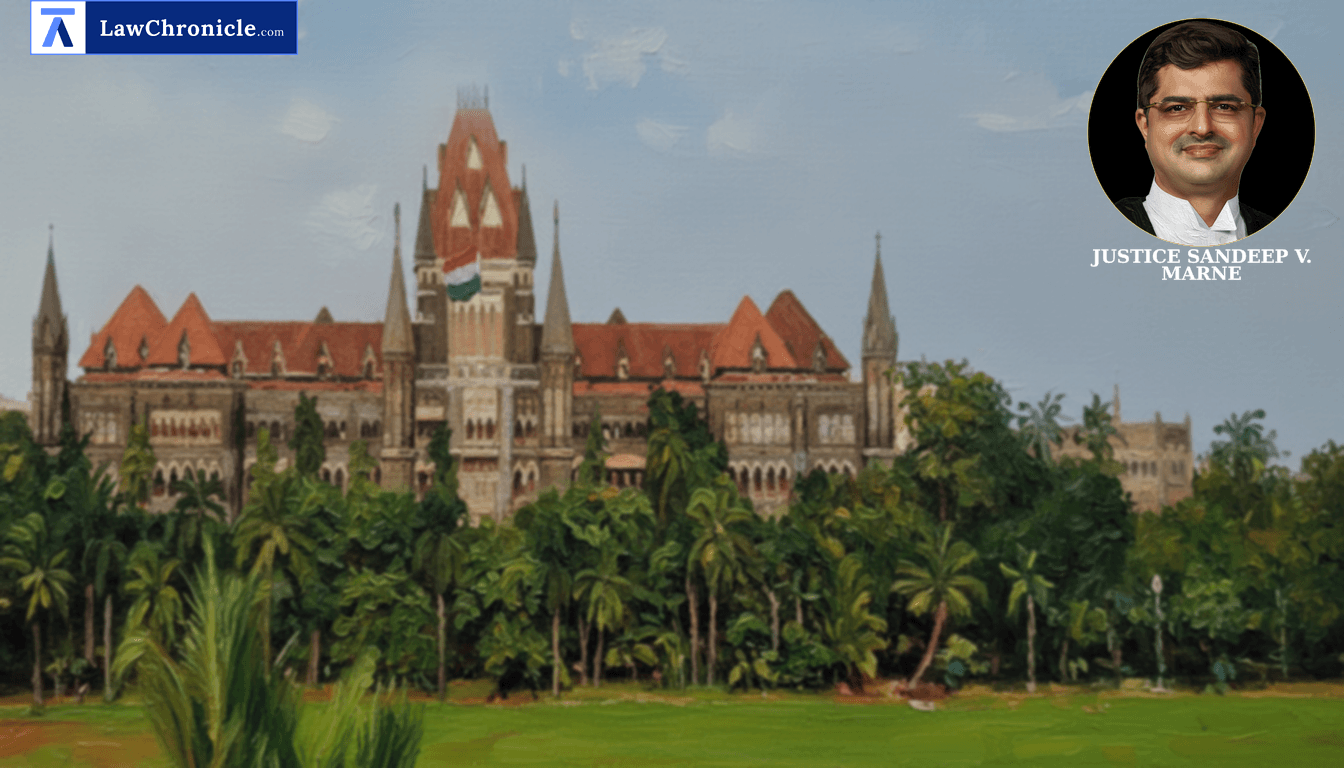
Justice Sandeep V. Marne presided over the matter, examining the legality of a registration certificate granted to an industrial premises society where the promoters were found to be closely related or representing the same entities. The Bombay High Court scrutinized whether a writ petition could even be maintained by an entity whose legal existence had been terminated over a decade ago.
Key Takeaways
Strict Family Independence Rule
For a society to be validly registered, Section 6 of the Maharashtra Co-operative Societies Act, 1960 requires at least ten persons from different families; multiple units owned by the same person or family members count as a single entity for this threshold.
Locus of Developers to Challenge
Developers or assignees of unsold premises possess the legal standing to challenge irregular society registrations, especially when the statutory formation process excluded them or violated mandatory rules.
Procedural Irregularity vs. Fraud
Unlike de-registration under Section 21A, a registration can be set aside in an appeal under Section 152 for simple procedural failures or non-compliance with Section 6, without needing to prove fraud or misrepresentation.
Non-Existent Entities Cannot Litigate
An association whose registration has been cancelled and not stayed or revived lacks the legal capacity to initiate revision applications or writ petitions in its own name.
Interpretation of Section 6 of the MCS Act
The Bombay High Court focused on the interplay between 'persons' and 'members' under the law. It noted that while Section 22 defines who is qualified to be a member, Section 6(1) sets a mandatory entry barrier for the formation of the society itself. The Bench observed that the names of the promoters in the application form revealed that only seven distinct entities/persons were involved, as several individuals and companies appeared multiple times across different units.
The Bombay High Court, in its reasoning, observed: "Thus, under Section 6 of the MCS Act, no society can be registered under the Act unless it consists of at least 10 persons who are qualified to be the members under the Act and who reside in the area of operation of the society. Section 6(1) however imposes a condition that such persons need to be members of different families. Section 6(1) also uses the words ‘persons’ and ‘members’ for different purposes. Firstly, it specifies that at least 10 ‘persons’ must come together and that each of such persons cannot be a member of same family. They need to be members of different families."
Rejection of Technical and Precedential Arguments
The Petitioner relied on Mukesh Mehta Versus. State of Maharashtra to argue that the Maharashtra Co-operative Societies Act, 1960 applies to industrial societies, a point the Court accepted but used against the Petitioner to emphasize the mandatory nature of Section 6. Further, the Bombay High Court distinguished Aurum Avenue CHSL vs. State of Maharashtra and Ors., noting that while de-registration requires specific grounds like fraud, a standard appeal against registration can succeed on the grounds of mere procedural non-compliance. Regarding the developer's right to challenge, the Court found the reliance on Om Sai Pratibha CHSL vs. State of Maharashtra and Ors. misplaced, stating there is no abstract rule preventing developers from challenging an irregularly formed society.
Ratio
The mandatory requirement under Section 6(1) of the Maharashtra Co-operative Societies Act, 1960, stipulating that a society must consist of at least ten persons from different families, is a condition precedent for valid registration. Failure to meet this numerical and familial threshold constitutes a statutory violation that renders the registration liable to be set aside in appeal, regardless of whether fraud was intended, and an entity whose registration is so cancelled ceases to have the legal capacity to litigate.
Background
The dispute originated when a developer, M/s. Mount Industrial Estate, developed land in Village-Marol, Andheri, constructing 'Shantiniketan Industrial Estate'. In 2008, Respondent No. 3 acquired rights via assignment. In 2009, a group of unit purchasers obtained a registration certificate for the Petitioner-society. Respondent No. 3 challenged this before the Divisional Joint Registrar, alleging that the 20 signatories to the application actually represented only five distinct families, violating Section 6. The Registrar cancelled the registration in 2011. Remarkably, the Petitioner waited 13 years before filing a revision application in 2024, which the Minister for Co-operation dismissed. The Bombay High Court, while noting the gross delay of 4649 days and the fact that the petition was filed by a non-existent entity, ultimately dismissed the challenge on the merits of the statutory violation.
Case Details:
Case No.: WRIT PETITION NO. 8735 OF 2026
Neutral Citation: 2026:BHC-AS:38136
Case Title: Shantiniketan Industrial Premises Co-operative Society Ltd. Versus The Divisional Joint Registrar Co-operative Societies, Mumbai Division and Others
Appearances:
For the Petitioner(s): Mr. Atul Damle, Senior Advocate with Mr. Prashant Kulkarni, Ms. Rachana Mamnani and Mr. Sanjay Kotak
For the Respondent(s): Mr. Vishal Kanade with Mr. Yash Tiwari i/b. Mr. Y.K. Tiwari, for Respondent No.3; Mr. A.C. Bhadang, AGP for the State.
Source: 2026 CaseBase(BOM) 5667
Similar Articles
 Breaking News


