


Absence of Intent to Kill Leads Delhi HC to Modify Attempt to Murder Conviction
 Copy Link
 Share
 Save
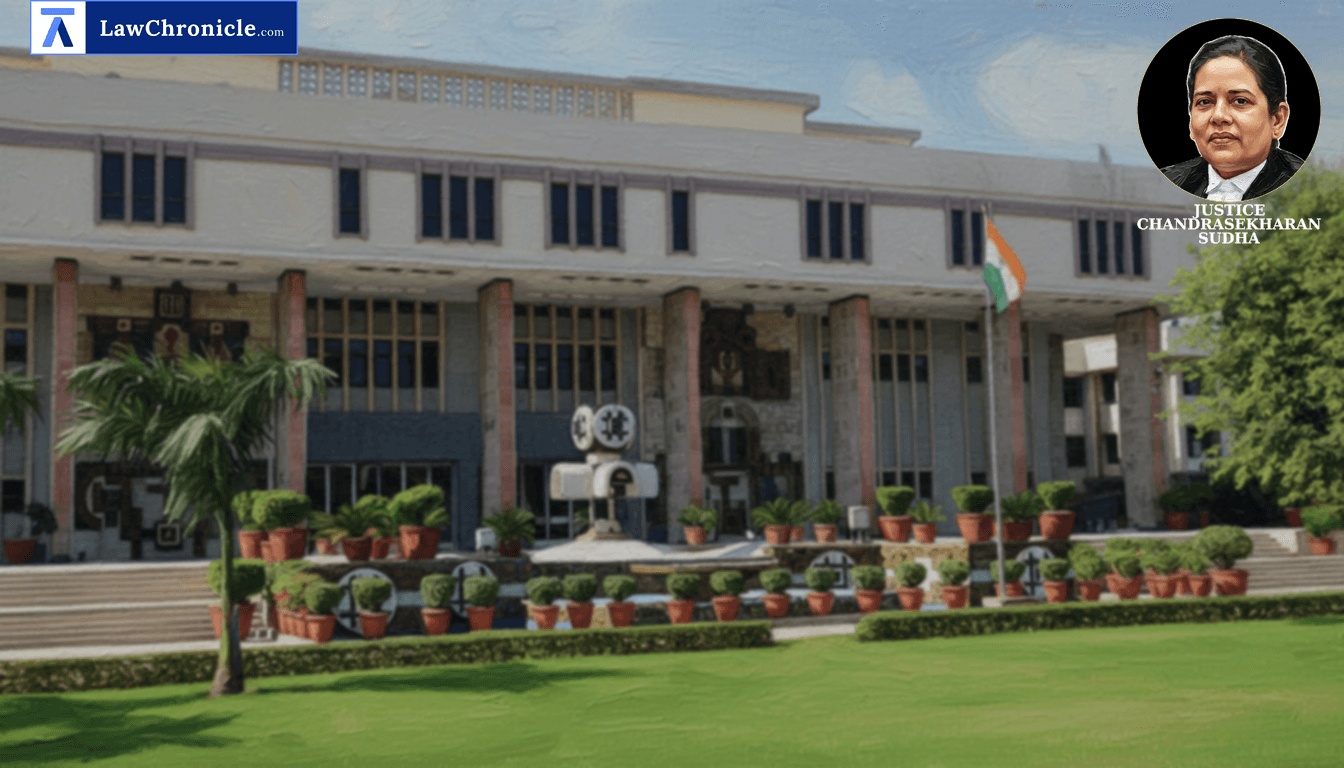
In a significant ruling regarding the nature of criminal intent and the classification of injuries, the Delhi High Court partially allowed an appeal, modifying a conviction from attempt to murder to voluntarily causing grievous hurt by dangerous weapons after finding a lack of murderous intent in a family dispute.
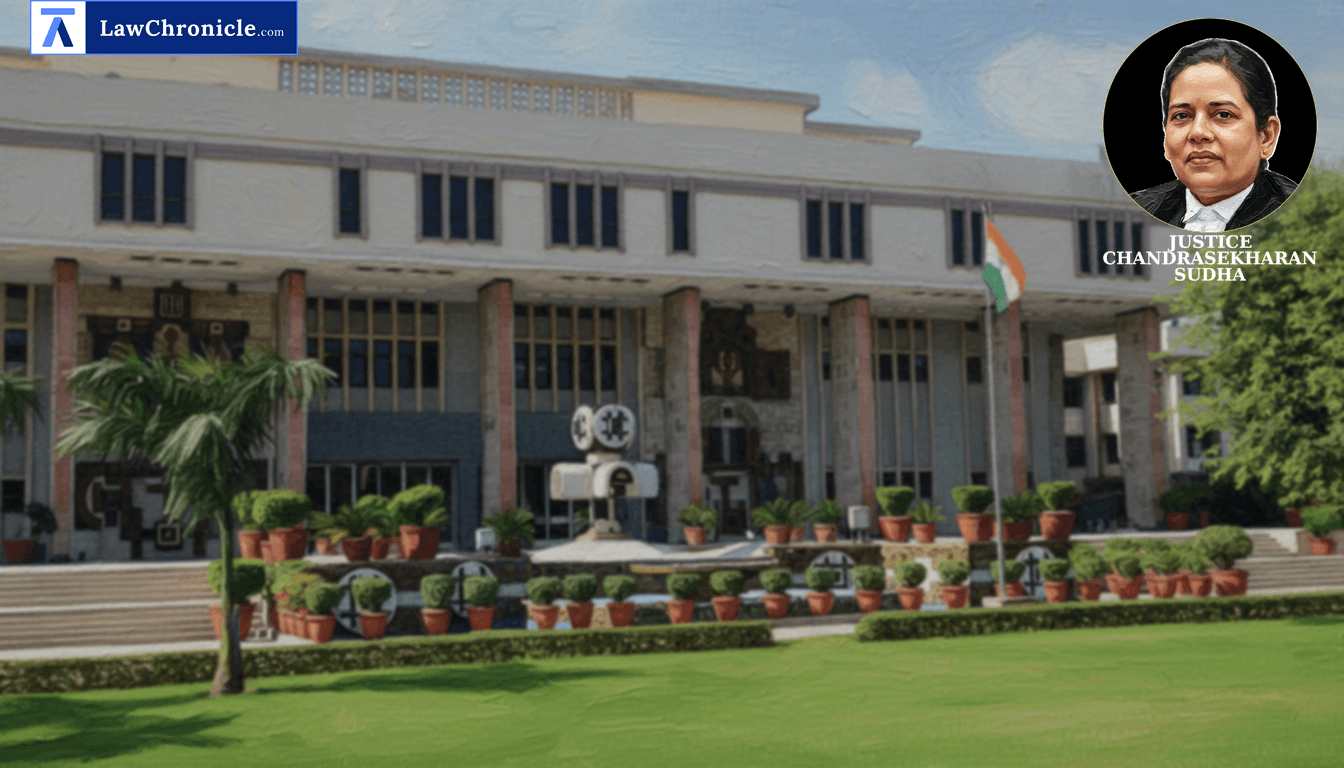
A single-judge bench of Chandrasekharan Sudha adjudicated upon the appeal filed by the appellant against his conviction and sentencing for offences involving grievous injuries caused during a scuffle. The Court examined whether the acts committed by the appellant met the threshold of Section 307 of the Indian Penal Code, 1860 or fell under the category of grievous hurt.
Court's Rationale on Intent and Section 307 IPC
The Court observed that while the injuries sustained by the victims were indeed grievous and caused disfigurement, the circumstances did not suggest a premeditated attempt to kill. The bench noted that the victims' father had challenged the accused, which escalated the confrontation. The Court, in its reasoning, observed: "But in the facts and circumstances, it was quite unnecessary for PW12 to have returned to the place of occurrence and challenged A1 resulting in the subsequent incident. There does not appear to be an intention to commit murder or cause the death of the witnesses in the case."
Legal Principle of 'Minor Offence' under Section 222 Cr.P.C.
Addressing the lack of a specific charge under Section 326 of the Indian Penal Code, 1860, the Court relied on the provisions of Section 222 of the Code of Criminal Procedure, 1973. It clarified that an accused can be convicted of a minor offence even if not specifically charged with it, provided the offences are cognate. The Court cited S.M. Multtani v. State of Karnataka to emphasize that the test of a minor offence is based on common ingredients and not just the length of the sentence.
The Court has the following directions:
"The conviction and sentence of the appellant/ A1 for the offence punishable under Section 307 read with Section 34 IPC is set aside and the appellant/ A1 is found guilty of the offence punishable under Section 326 IPC read with Section 34 IPC and hence, convicted and sentenced to undergo rigorous imprisonment for a period of 2 years and to a fine of ₹ 10,000/- and in default of payment of the fine, to simple imprisonment for 3 months."
Background:
The dispute originated from a monetary claim where the appellant alleged that the deceased son of the complainant (PW12) owed him ₹1.5 lakhs. On March 23, 2013, a verbal altercation escalated when the appellant allegedly assaulted PW12. When PW12's daughter (PW8) and son-in-law (PW9) intervened, the appellant used a sharp-edged object, causing deep lacerations and facial disfigurement to both. The Trial Court had initially convicted the appellant under Sections 307 and 326 read with Section 34 of the Indian Penal Code, 1860.
During the appeal, the appellant argued that the case was a false implication aimed at avoiding debt repayment. He also highlighted that a co-accused had settled the matter and had the FIR quashed. However, the High Court found the testimony of the injured witnesses reliable, citing Abdul Sayeed v. State of M.P. and Jarnail Singh v. State of Punjab ( "(2009) 9 SCC 719": 2009 CaseBase(SC) 102), which establish that injured witnesses have a special status in law. The Court also referred to Rakesh v. State of U.P. ( "(2021) 7 SCC 188": 2021 CaseBase(SC) 1436) regarding the non-recovery of weapons and Guru Dutt Pathak vs. State of Uttar Pradesh ( "2021 SCC OnlineSC 363": 2021 CaseBase(SC) 488) regarding the absence of independent witnesses, concluding that neither was fatal to a case supported by credible injured testimony. Ultimately, the Court reduced the conviction to Section 326 of the Indian Penal Code, 1860, finding it a more appropriate fit for the established facts.
Case Details:
Case No.: CRL.A. 35/2016
Case Title: RAJ KUMAR @ PRADEEP v. STATE
Appearances:
For the Petitioner(s): Mr. S.S. Ahluwalia and Ms. Rimpy Rohilla Advocates
For the Respondent(s): Mr. Utkarsh, APP for State
Source: 2026 CaseBase(DEL) 373
Similar Articles
 Breaking News


