Authorities Must Weigh Noise Pollution Objections Before Allowing DJ Systems For Dasara: Karnataka HC
 Copy Link
 Share
 Save
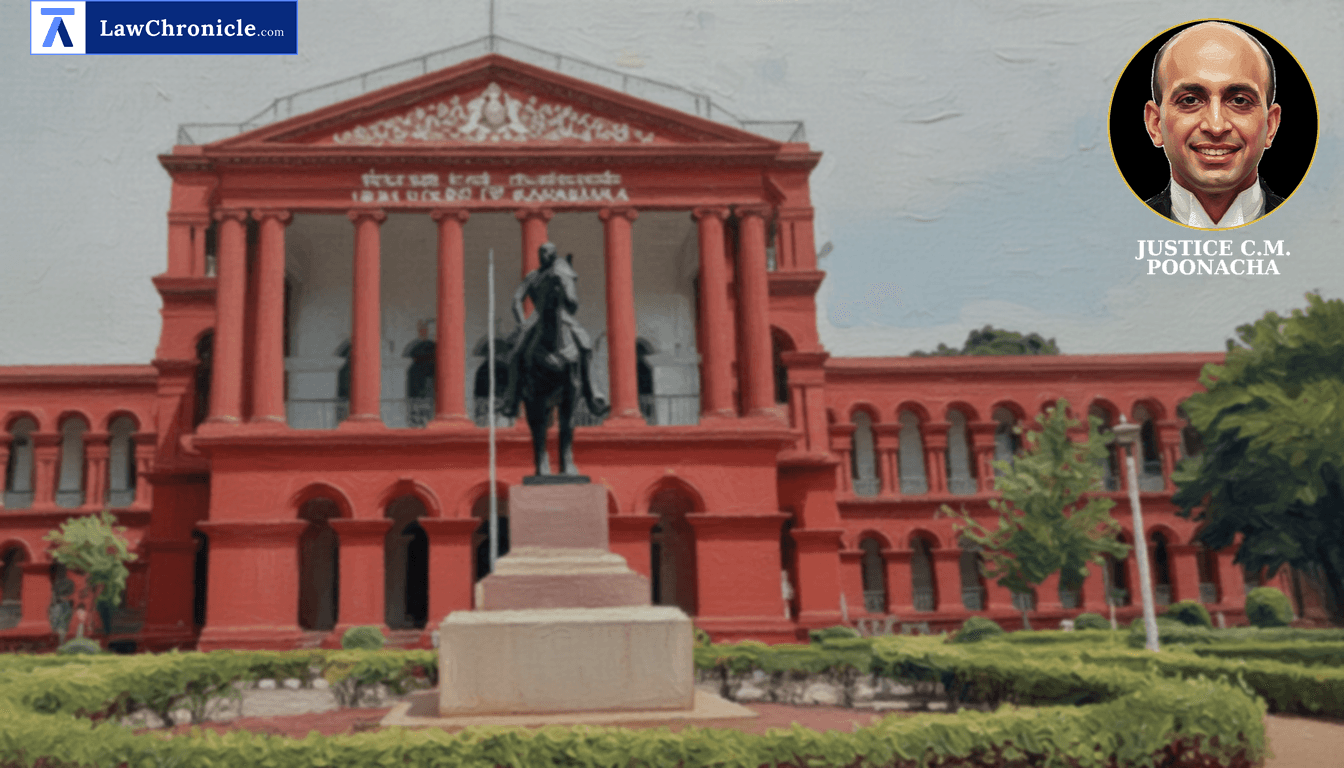
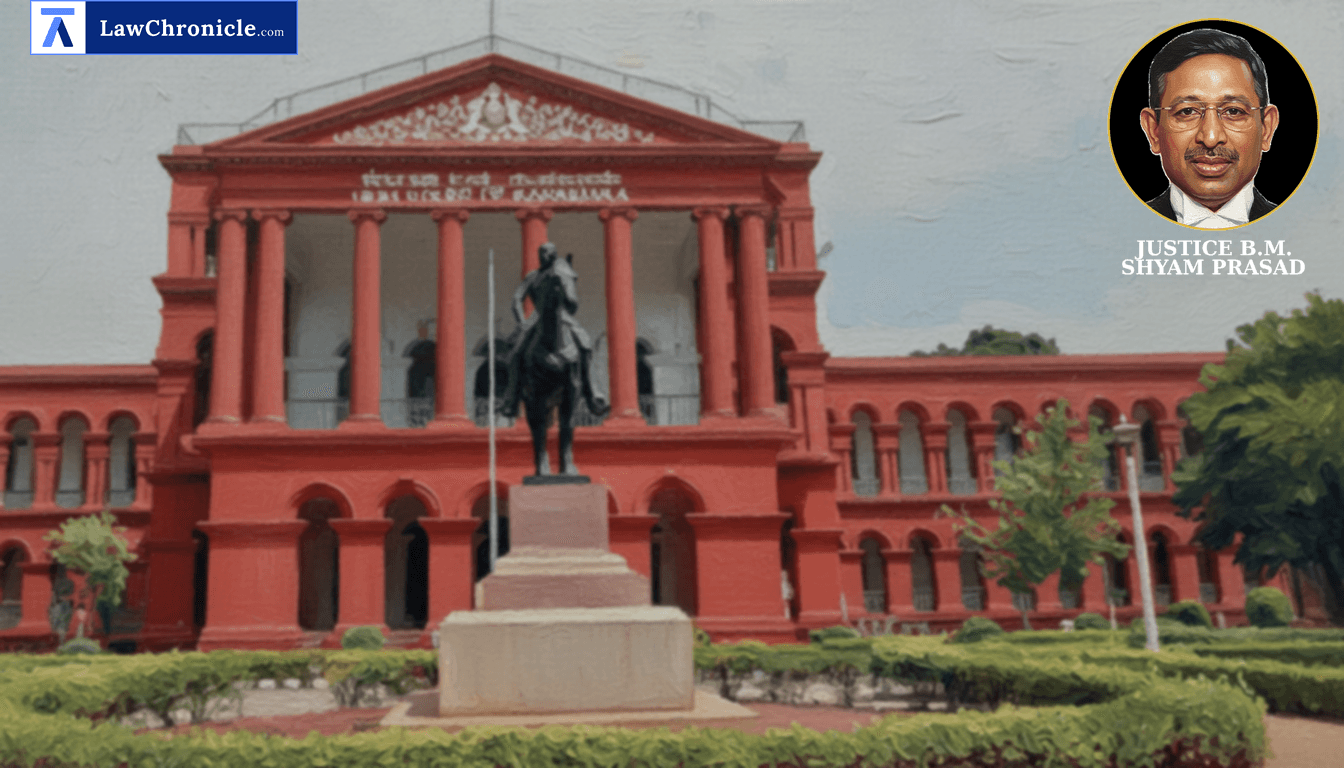
The Karnataka High Court has mandated a rigorous consultative process for the use of high-decibel sound systems during religious festivals, ruling that authorities cannot grant permissions for DJ modulators without first adjudicating formal objections regarding noise pollution. In a move to balance cultural celebrations with environmental safeguards, the Court has shifted the burden on the administration to ensure that the Right to Life is not compromised by acoustic excesses during public festivities.
A Single Judge Bench of Justice C.M. Poonacha was hearing a writ petition filed under Article 226 and Article 227 of the Constitution of India by a temple samithi seeking a mandamus to use sound amplification equipment during the upcoming Dasara festival. The petitioner sought permission to operate DJ sound modulators and public-address systems from the evening of October 21, 2026, through the afternoon of the following day.
Key Takeaways
Mandatory Consideration of Objections
Administrative authorities are now legally bound to entertain and decide upon environmental objections from third-party interveners before sanctioning loud sound systems.
Time-Bound Adjudication
The Court established a strict timeline for regulatory decisions, ensuring that legal challenges to noise-producing activities are resolved well before the event date.
Judicial Oversight on Noise Pollution
By permitting interveners to file formal objections, the Court has reinforced the principle that public health and noise regulations take precedence over unregulated festive amplifications.
Court's Rationale and Procedural Directives
While the State represented that the applications would be considered in accordance with law, several impleading applicants intervened, arguing that such permissions would inevitably lead to noise pollution and violate established judicial precedents. The Court noted that since the authorities had not yet decided on the petitioner's representations, it was necessary to allow those concerned about environmental impact to voice their grievances formally.
The Court, in its reasoning, observed: "Having regard to the factual matrix of the matter since the concerned authorities have not yet considered the representations/applications of the petitioner, it is expedient that the impleading applicants/interveners also be permitted to file their objections to the applications filed by the petitioner before the concerned authorities."
The Court has the following directions:
"objections of the impleading applicants/interveners to the application of the petitioner, if any, to be filed before the concerned authorities on or before the end of the working hours of 12.10.2026. The concerned authorities shall consider the application of the petitioner together with the objections made in that regard and take a decision on or before 15.10.2026. The result of the said consideration shall also be intimated to the petitioners as well as interveners."
Ratio
When a statutory authority is seized of an application for the use of sound-producing instruments in public spaces, the principles of natural justice and environmental law require the authority to consider the objections of affected parties regarding noise pollution before granting such permission. The administration must pass a reasoned order after evaluating the competing interests of religious celebration and environmental protection within a specified timeframe.
Background
The dispute originated when the Dasara Dashamantapa Samithi filed representations (Annexures A to A12) before the Deputy Commissioner and Superintendent of Police, Kodagu, seeking permission to use DJ sound modulators and loudspeakers during the Dasara Festival in Madikeri. The petitioner moved the High Court seeking a direction to the authorities to consider these representations and accord permission for the event scheduled for October 21-22, 2026.
During the proceedings, an impleading applicant, Antony Ignatius M J, raised concerns regarding the potential for noise pollution, citing various judgments that regulate the use of loudspeakers. The High Court did not grant the permission directly but instead structured a supervised administrative process. It directed the state authorities to decide the matter only after considering the objections to be filed by the interveners. The writ petition was disposed of with instructions to communicate the order to the Deputy Commissioner and other relevant authorities for immediate compliance.
Case Details:
Case No.: WP No. 31477 of 2026
Neutral Citation: 2026:KHC:56707
Case Title: Dasara Dashamantapa Samithi v. State of Karnataka & Ors.
Appearances:
For the Petitioner(s): Sri. Srinivas V., Advocate
For the Respondent(s): Sri. Rahul Cariappa KS, AGA for R1 to R3; Sri. Mahesh Chowdary, Advocate for R4; Sri. Antony Ignatius M J, Impleading Applicant
Source: 2026 CaseBase(KAR) 26206
Similar Articles
 Breaking News