


Bail is Rule, Refusal Exception for Juveniles Regardless of Offence Gravity: Jharkhand HC
 Copy Link
 Share
 Save
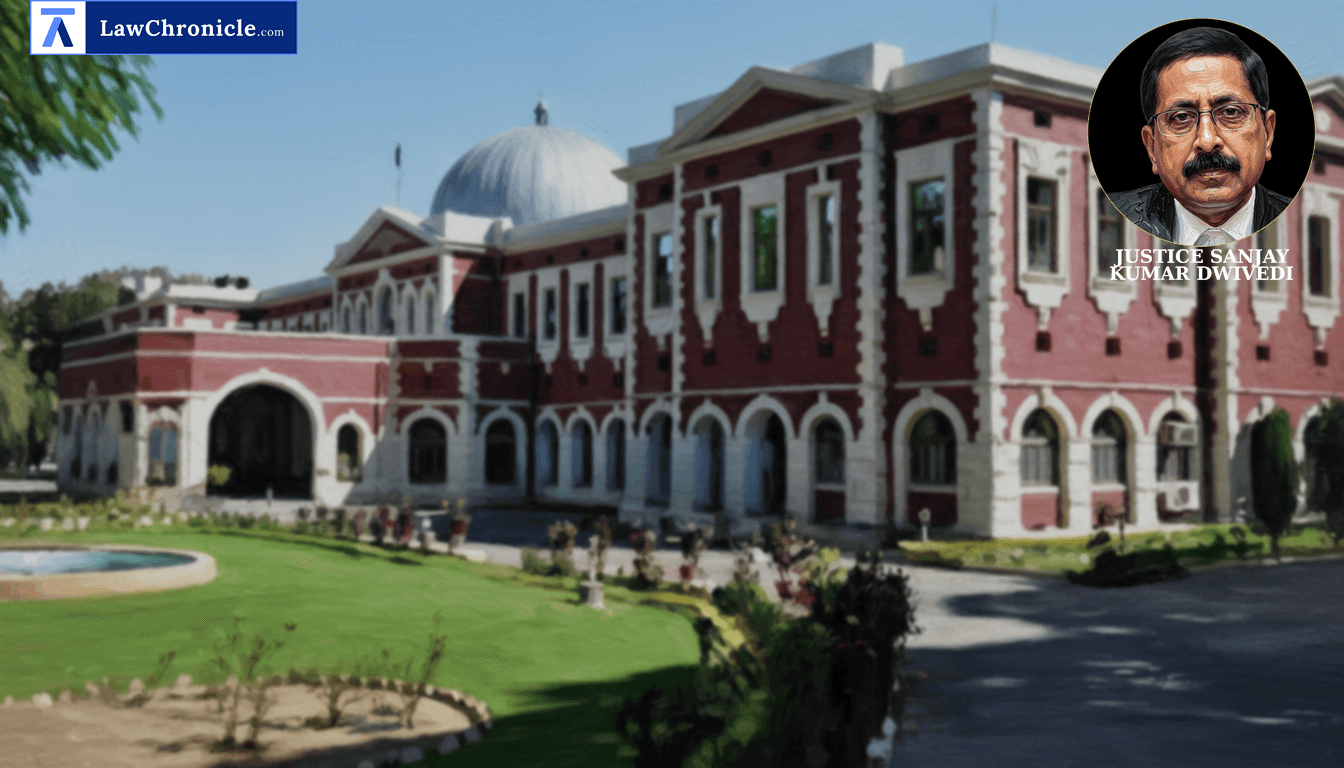
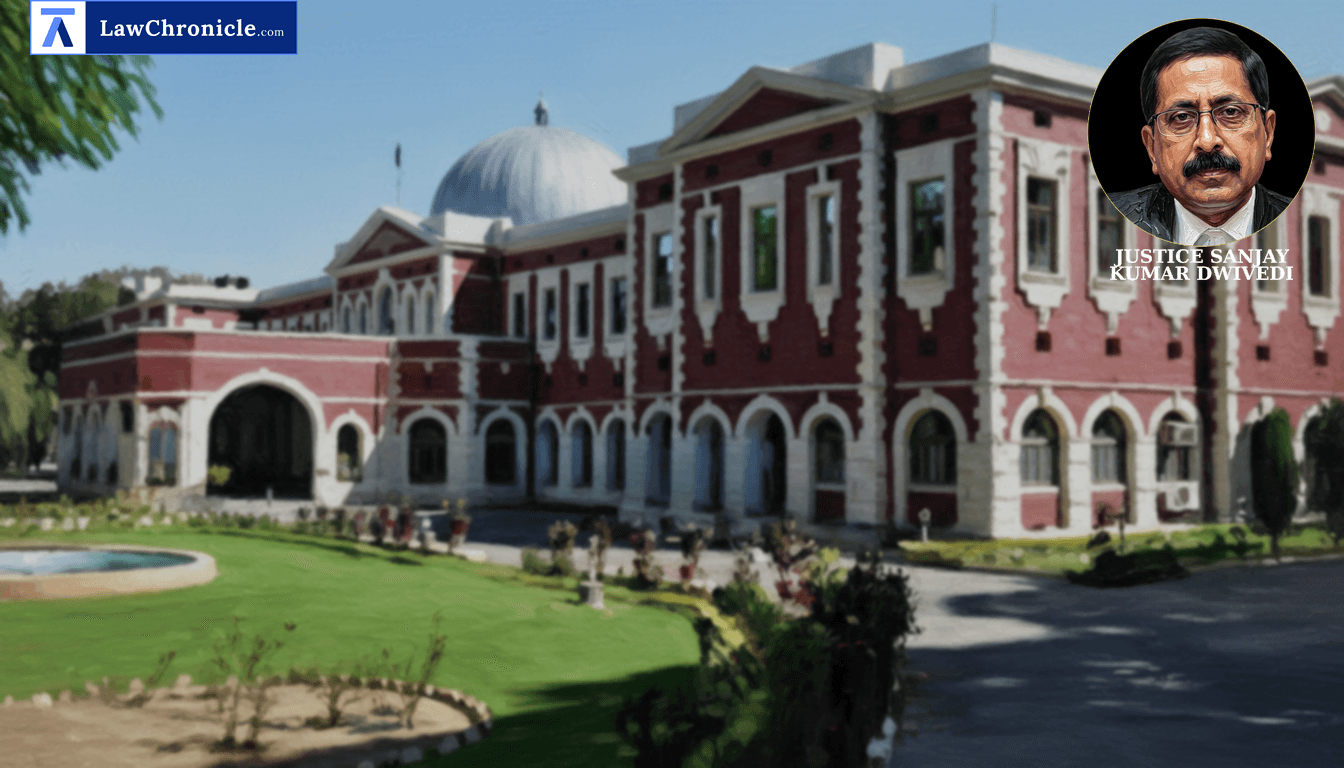
Prioritizing reformation over punishment, the Jharkhand High Court has ruled that a juvenile cannot be denied bail solely based on the heinousness of the alleged offence, reinforcing that Section 12 of the Juvenile Justice (Care and Protection of Children) Act, 2015 mandates release unless specific statutory disqualifications are proven. The Court set aside lower court orders that had refused bail to a minor accused of murder, emphasizing that punitive approaches towards children in conflict with law are inherently self-destructive for society.
A Single-Judge Bench of Justice Sanjay Kumar Dwivedi adjudicated the criminal revision petition filed by a juvenile accused of offences under Section 103(1)/238 of the Bhartiya Nyaya Sanhita, 2023. The Court scrutinized the concurrent rejection of bail by the Juvenile Justice Board and the Sessions Court, Giridih, highlighting the necessity of adhering to the specialized welfare-oriented framework of juvenile justice.
Key Takeaways
Primacy of Reformation
Reaffirms that the juvenile justice system is built on the foundation of rehabilitation and reformation rather than a punitive approach to prevent societal self-destruction.
Statutory Precedence of Section 12
Clarifies that Section 12 of the Juvenile Justice (Care and Protection of Children) Act, 2015 overrides general bail provisions under the Criminal Procedure, 1973, making bail the mandatory rule for juveniles.
Irrelevance of Offence Gravity
Settles that neither the seriousness of the alleged crime nor the age of the juvenile (even if above 16 years) are valid grounds for denying bail under the 2015 Act.
Strict Criteria for Bail Rejection
Bail can only be denied if there is specific evidence that release will lead to association with criminals, expose the minor to danger, or defeat the ends of justice.
Court Observations on Juvenile Bail Jurisprudence
The Court observed that the lower courts had erroneously focused on the nature of the allegation rather than the specific criteria provided under the law for juveniles. It noted that the Social Investigation Report did not contain any adverse remarks against the petitioner, who had been in custody since November 2025. The Court, in its reasoning, observed: "The Juvenile Justice Act is based on belief that children are the future of the society and in case they go into conflict with law under some circumstances, they should be reformed and rehabilitated and not punished. No society can afford to punish its children. Punitive approach towards children in conflict with law would be self-destructive for the society."
Addressing the mandatory nature of the law, the Court further stated: "It is further crystal clear that bail to the juvenile is a rule and refusal of the same is an exception and juvenile can be denied bail only on the following three grounds
(i) if there appears reasonable grounds for believing that the release is likely to bring that person into association with any known criminal, or
(ii) expose the said person to moral, physical or psychological danger, or,
(iii) the person’s release would defeat the ends of justice."
Directions Issued to the Juvenile Justice Board
The Court has following directions:
"(i) Natural guardian/father will furnish an undertaking that upon release on bail the revisionist will not be permitted to go into contact or association with any known criminal or allowed to be exposed to any moral, physical, or psychological danger and further that the father will ensure that the juvenile will not repeat the offence.
(ii) Natural guardian/father will further furnish an undertaking to the effect that the juvenile will pursue his study at the appropriate level which he would be encouraged to do besides other constructive activities and not be allowed to waste his time in unproductive and excessive recreational pursuits.
(iii) Juvenile and natural guardian/father will report to the Probation Officer on the second Monday of every calendar month commencing with the second Monday of October, 2026, and if during any calendar month the second Monday falls on a holiday, then on the following working day.
(iv) The Probation Officer will keep a strict vigil on the activities of the juvenile and regularly draw up his social investigation report that would be submitted to the Juvenile Justice Board, Giridih on such a periodical basis as the Juvenile Justice Board may determine."
Ratio
Section 12 of the Juvenile Justice (Care and Protection of Children) Act, 2015 is a mandatory provision that overrides general criminal law, establishing bail as a right for juveniles regardless of the nature or gravity of the offence. A juvenile can only be denied bail if there is concrete material demonstrating that release would lead to criminal association, exposure to danger, or a defeat of justice; unfounded apprehensions based on the heinousness of the crime are insufficient to justify detention.
Background
The petitioner, aged 17 years and 9 months at the time of the incident, was implicated in Pachamba P.S. Case No.119/2025 following the death of the informant's daughter. His name transpired through a witness statement, leading to his apprehension on November 17, 2025. Although he was declared a juvenile and the Social Investigation Report was favorable, the Juvenile Justice Board and the Appellate Court denied bail citing the heinousness of the offence. The petitioner's counsel argued that there were no eye-witnesses and no criminal antecedents, while the State opposed bail citing the gravity of the murder charge. The High Court, however, found that the lower courts failed to provide reasoned findings on the three statutory contingencies for bail refusal, ultimately allowing the revision and directing the petitioner's release on his father's surety.
Case Details:
Case No.: Cr. Revision No. 519 of 2026
Neutral Citation: 2026:JHHC:29455
Case Title: Arman Ansari v. The State of Jharkhand
Appearances:
For the Petitioner(s): Mr. Prabhat Kumar Sinha, Advocate; Mr. Aditya Mazumdar, Advocate; Mr. Mayank Mridul, Advocate
For the Respondent(s): Mr. Vijoy Kumar Sinha, A.P.P.
Source: 2026 CaseBase(JHKD) 3173
Similar Articles
 Breaking News


