[CJP Student Protestors Beaten] CJI refuses listing as waste of time, while SC Bar Bodies condemn lathi charge
 Copy Link
 Share
 Save
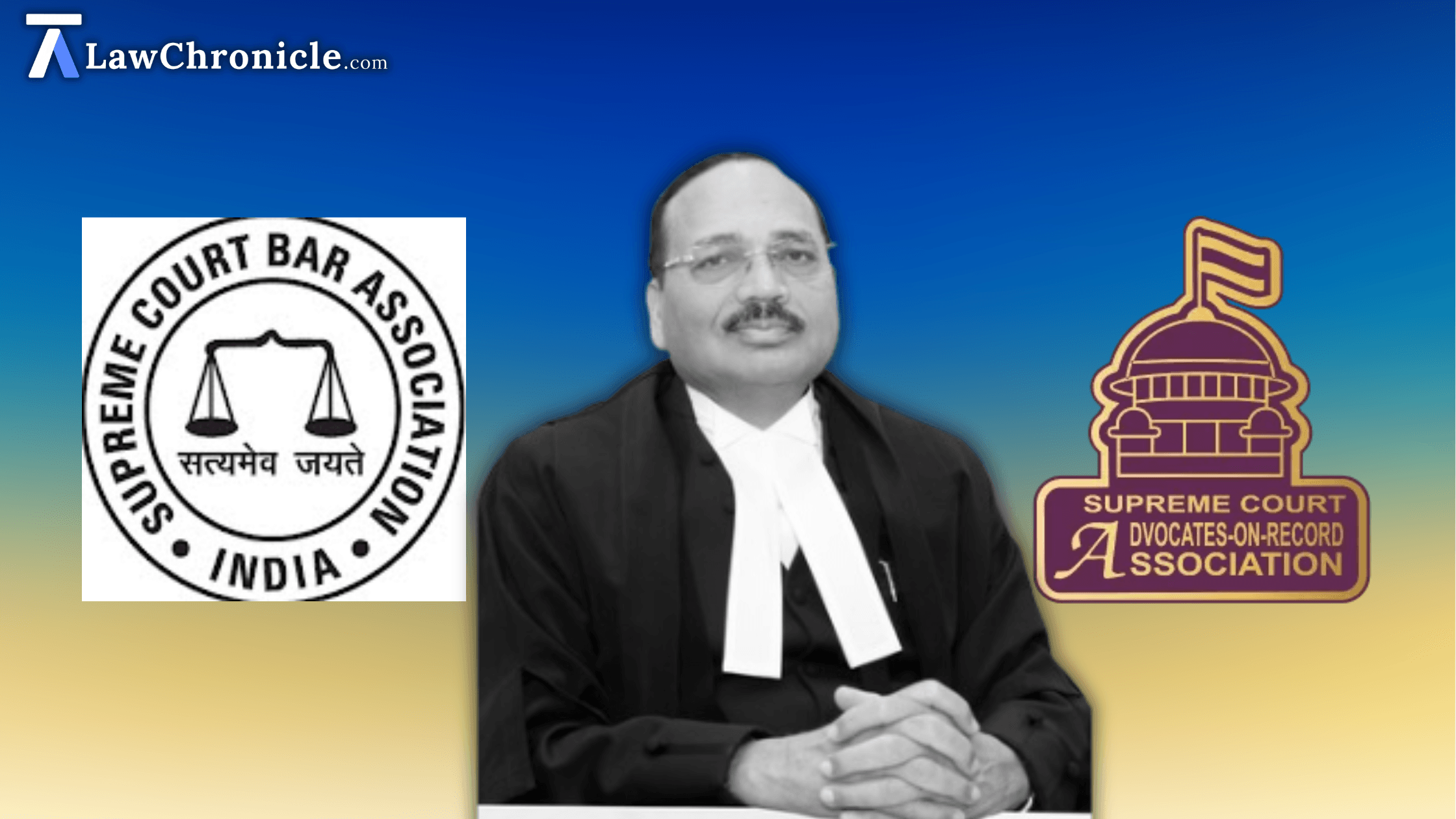
The Supreme Court on Wednesday, July 22, 2026, declined to urgently list a plea challenging the Delhi Police's action against student protesters during the Cockroach Janata Party (CJP)-led "Sansad Chalo" march. Chief Justice of India (CJI) Surya Kant reportedly told the lawyer mentioning the matter not to waste the Court's time. Separately, on the same day, both the Supreme Court Bar Association (SCBA) and the Supreme Court Advocates-on-Record Association (SCAORA) issued statements condemning the alleged use of excessive force against students and members of the legal fraternity.
Explore the updates from 22nd July amid CJP Protest in Delhi.
Background: The Protest and Police Action
The protest was organised under the CJP-led "Sansad Chalo" march, in which students and other protesters sought to march from Jantar Mantar towards Parliament during the Monsoon Session. The protesters are seeking resignation of Union Education Minister Dharmendra Pradhan over alleged examination paper leaks, and raised demands relating to the fair conduct of the NEET examination and reforms to the National Testing Agency (NTA).
Supreme Court Refuses Urgent Listing
The matter was orally mentioned before a Bench comprising CJI Surya Kant, Justice Joymalya Bagchi, and Justice V. Mohana. The petitioner's counsel sought an urgent hearing, alleging police brutality against students protesting at Jantar Mantar, and sought suo motu cognizance of the alleged violation of fundamental rights. The plea also sought an independent judicial inquiry, to be constituted under the supervision of a sitting Bench of the Supreme Court, to examine whether the Delhi Police's action complied with constitutional requirements and binding judicial precedent.
The counsel submitted that the students were raising important issues concerning the fair conduct of the NEET exam and reforms in the NTA. CJI Surya Kant reportedly responded by telling the lawyer not to waste the Court's time, adding that the lawyer's own time was more valuable. When the counsel referred to videos showing alleged police excesses, CJI said the Court was not interested in videos and did not have time to watch them. The Bench thereafter declined to grant urgent listing to the plea.
SC Bar Bodies Condemn the Lathi Charge
SCBA Resolution as CJP Student Protesters Beaten
The Supreme Court Bar Association, in a resolution titled "SCBA Condemns the Brutal Lathi Charge on Students and Members of the Legal Fraternity," strongly condemned what it described as a brutal lathi charge on students, stating that it had resulted in several students sustaining serious injuries. The resolution noted that members of the legal fraternity, including members of the SCBA itself, were also injured during the incident.
The SCBA stated that the use of excessive and disproportionate force against peaceful students and members of the Bar was deeply disturbing and wholly unacceptable in a democratic society. It called upon the concerned authorities to conduct an immediate, impartial, and time-bound inquiry into the incident, to identify those responsible for the excessive use of force, and to take appropriate action in accordance with law.
The resolution further urged authorities to ensure proper medical treatment and assistance for all injured students and members of the legal fraternity, and to take necessary measures to prevent the recurrence of such incidents. The SCBA stated that it stood in solidarity with all those injured and reiterated its commitment to protecting constitutional rights, human dignity, and the rule of law.
SCAORA Statement on Violence against Student Protesters
The Supreme Court Advocates-on-Record Association, by a majority, issued a statement expressing deep concern over reports and visuals emerging from New Delhi depicting the use of force by the Delhi Police against students and young protesters who had assembled to peacefully voice their grievances concerning the integrity of public examinations and the future of the country's youth. The statement noted that reports indicated force, including lathi charges and tear gas, was used to disperse demonstrators seeking to march towards Parliament during the Monsoon Session.
SCAORA stated that in a constitutional democracy, peaceful dissent is an exercise of the fundamental freedoms guaranteed under Articles 19(1)(a) and 19(1)(b) of the Constitution. While the State is empowered to maintain public order, the statement said, every restriction on these freedoms must satisfy the constitutional requirements of legality, necessity, and proportionality, and the burden of justifying any use of force against citizens exercising their constitutional rights rests upon the State.
The statement referred to the Supreme Court's ruling in Himat Lal K. Shah v. Commissioner of Police, Ahmedabad, (1972 CaseBase(SC) 583), where the Court held that the right to hold peaceful public meetings, flowing from Article 19, cannot be made dependent upon executive discretion. It also referred to In re: Ramlila Maidan Incident, (2012 CaseBase(SC) 745), where the Court reiterated that police action against peaceful assemblies must satisfy the constitutional standards of necessity and proportionality.
SCAORA called upon the concerned authorities to ensure that any allegation of excessive use of force is independently and impartially examined, that those injured receive immediate medical assistance, and that future engagement with peaceful protesters is guided by restraint, dialogue, and fidelity to constitutional values.
 Breaking News