Why is Section 163 BNSS Imposed in Delhi Ahead of CJP Sansad March?
 Copy Link
 Share
Share Save
Save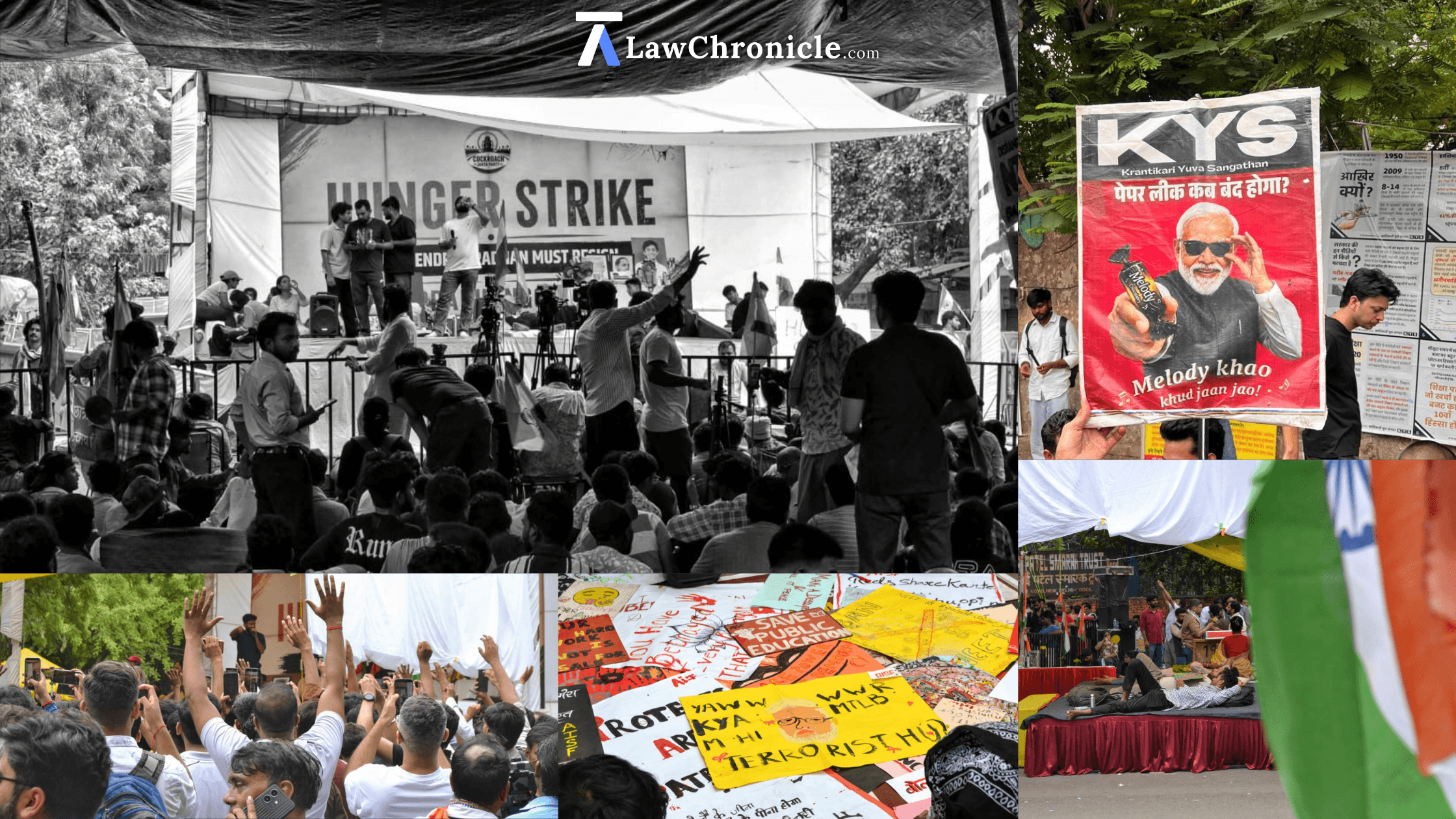
As the Monsoon Session of Parliament opened on 20th July, 2026, Delhi has turned into a high-security zone. Delhi Police responded to Cockroach Janta Party's (CJP) proposed march to Parliament, "Chalo Sansad" by invoking Section 163 of the Bharatiya Nagarik Suraksha Sanhita (BNSS). In the wake of Section 163 BNSS and CJP protest in Delhi, let us explore what it means for the people.
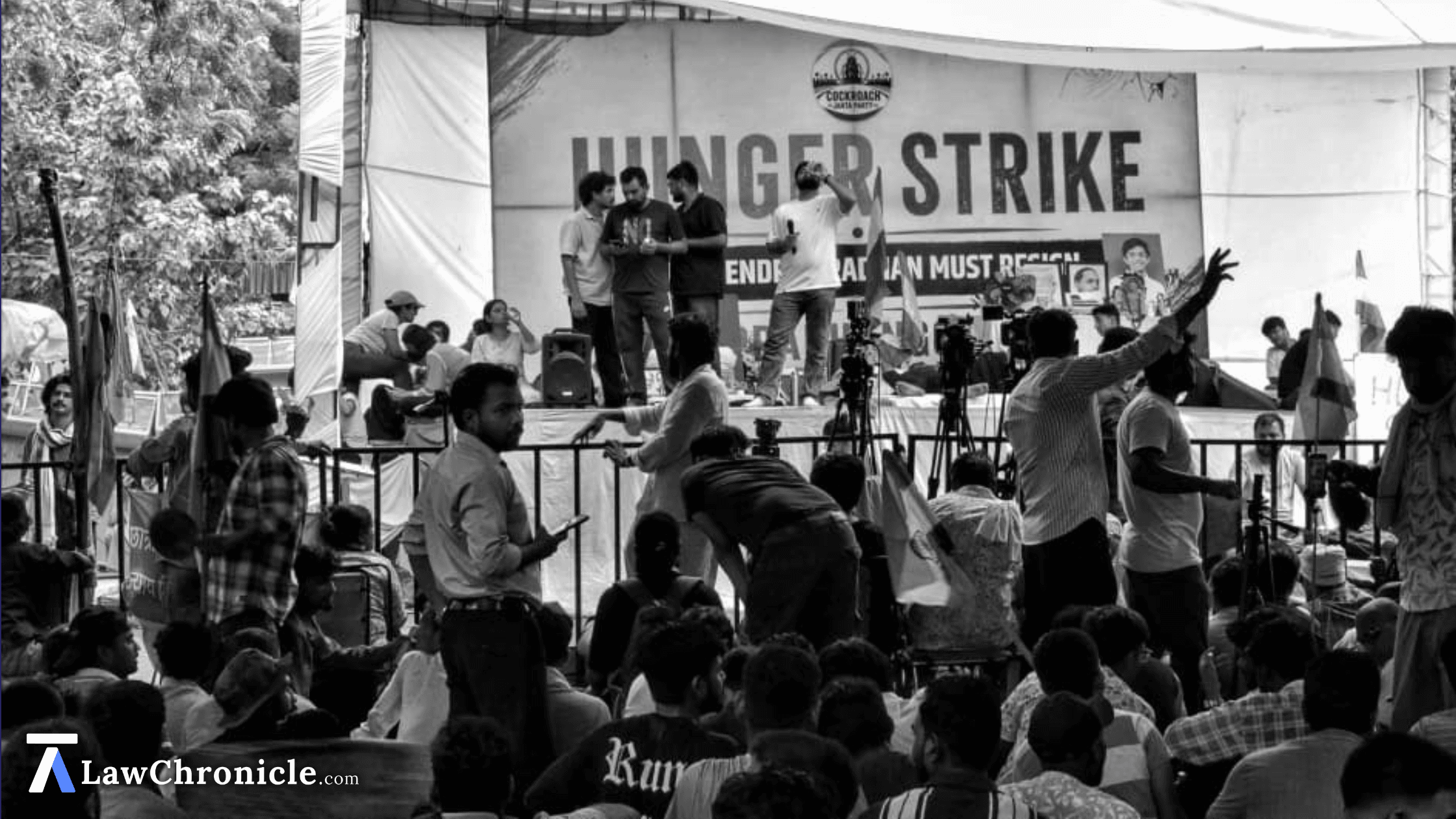
Here's a breakdown of what Section 163 BNSS actually means, how it applies to the ongoing standoff, and why Union Education Minister Dharmendra Pradhan finds himself at the centre of the agitation.
What Triggered the CJP Protest in Delhi?
The Cockroach Janta Party came into being after CJI’s cockroach remark during Court proceedings in May 2026. The CJP protest in Delhi’s Jantar Mantar started in June 2026, demanding accountability over alleged irregularities in the NEET-UG 2026 examination. The Cockroach Janta Party called for a protest march to Parliament over alleged paper leaks and student suicides. The central demand of CJP protest is the resignation of Education Minister Dharmendra Pradhan, whom it holds responsible for the alleged NEET paper leak.
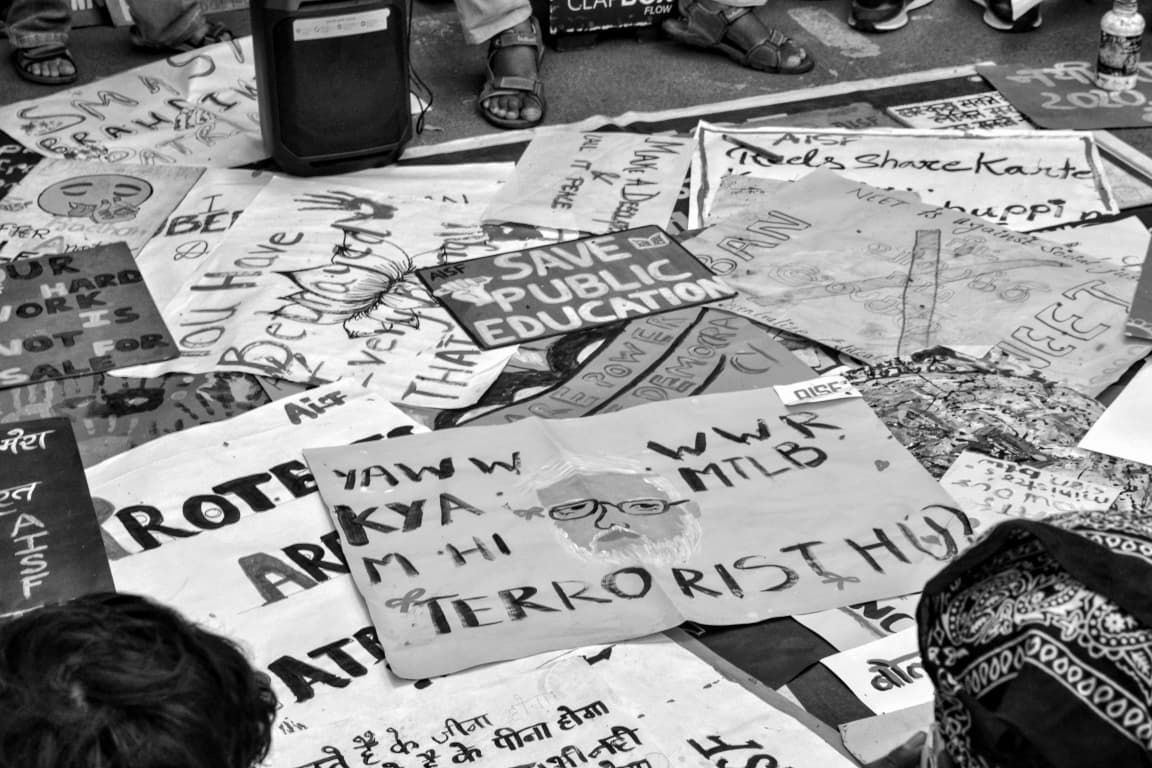
The CJP protest in Delhi gained wider attention after climate activist Sonam Wangchuk joined in support with a hunger strike. Wangchuk was later forcibly shifted to Delhi's Safdarjung Hospital as his health deteriorated during the strike. Protesters said the agitation had grown even stronger after Sonam Wangchuk was removed from the site by the Delhi Police. The organizers thereafter confirmed that the CJP Sansad march would proceed without any change.
The Law under Section 163 BNSS in Delhi
With the CJP Sansad March announced for 20th July, the Delhi Police moved to invoke Section 163 of BNSS (Section 144 of the CrPC) across the New Delhi district. This provision empowers the authorities to impose temporary restrictions where there is a risk to public order or safety.
In practical terms, this meant a blanket ban on unauthorized public gatherings. The Delhi Police stated that a prohibitory order under Section 163 BNSS being in force in the New Delhi district, protest marches, processions, demonstrations and assemblies of five or more persons are strictly prohibited, except at the designated protest site at Jantar Mantar, with prior permission.
Why Section 163 BNSS Was Invoked?
Deputy Commissioner of Police (New Delhi) issued a public advisory clarifying the police's position on the march. The advisory reflects Delhi Police’s categorical clarification that no permission had been sought or granted for any such protest march or procession. Delhi Police has urged citizens not to participate in any unauthorized gathering or procession in the New Delhi district ahead of the proposed CJP march to Parliament, noting that the restrictions applied across the district except at the designated protest site on Jantar Mantar Road.
The Delhi Police also flagged the legal consequence of defying the order. The DCP warned that anyone who violated the prohibitory orders could face prosecution under Section 223 of the Bharatiya Nyaya Sanhita (BNS) along with other applicable laws.
Security Build-Up Ahead of CJP Parliament March
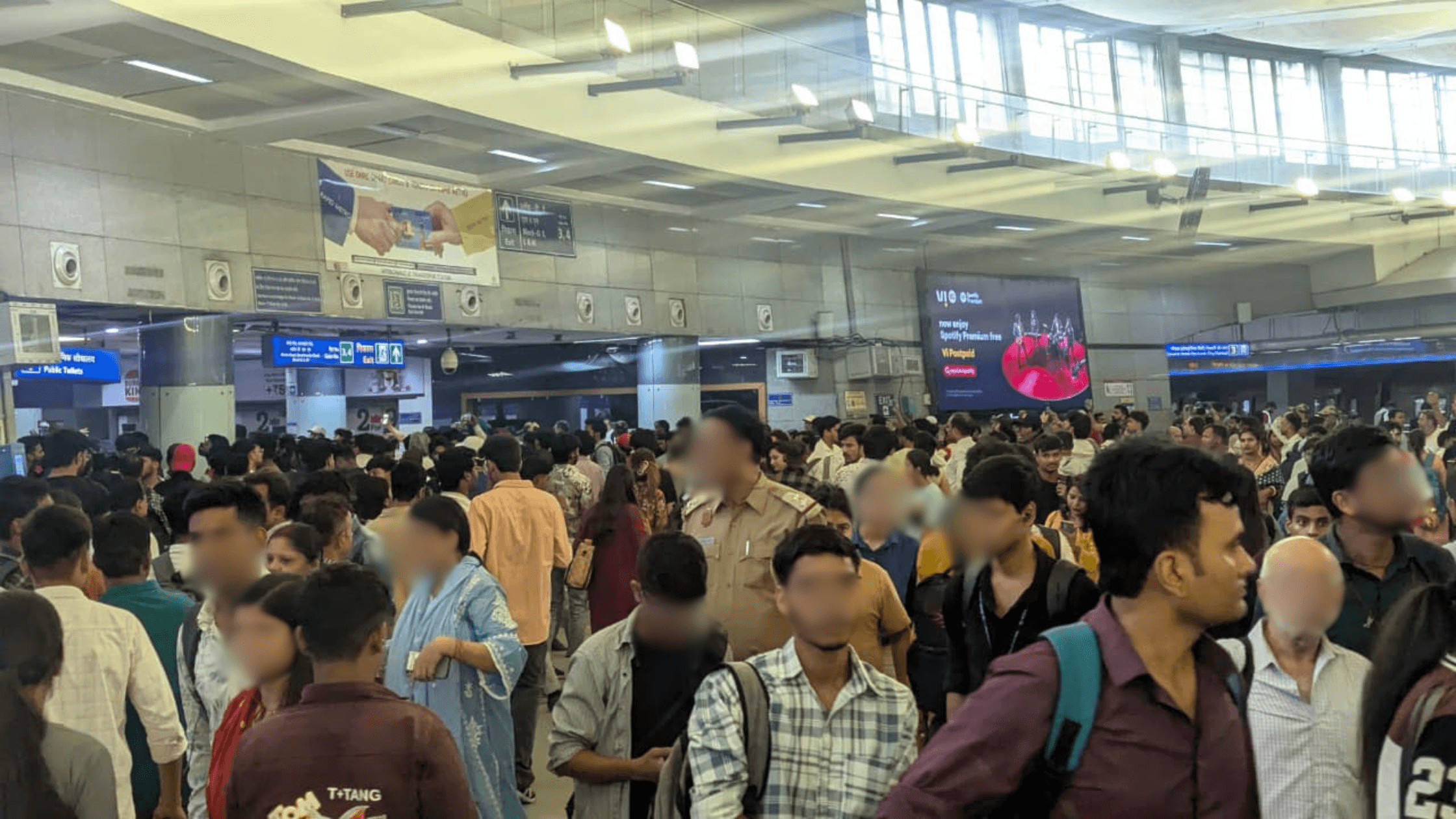
Enforcement of Section 163 BNSS in Delhi came with visible security escalation across Central Delhi. Multi-layered security was deployed across key areas including Parliament, Central Vista and Jantar Mantar as the prohibitory order took effect. Following Sonam Wangchuk's removal from the protest site, police heavily barricaded both ends of Jantar Mantar, restricting vehicular movement in the area. Delhi Metro has also been impacted, with Rajiv Chowk metro station being the most affected due to the rising crowd of protestors.
Despite the restrictions, leadership maintained that the CJP Sansad march would go ahead as planned. CJP founder Abhijeet Dipke urged supporters to gather at Jantar Mantar, stressing that the protest and the march would remain peaceful and that anyone creating disruption or raising negative slogans could not be considered a genuine supporter of the cause.
CJP Parliament March Time and Route
The CJP Parliament march time was fixed for the morning of the Monsoon Session's opening day. Thousands of protesters are gathered at Jantar Mantar ahead of the Chalo Sansad march, which was scheduled for 9 am, with the turnout significantly higher than the previous day's gathering.
The organizers also issued conduct guidelines for participants. The CJP asked participants to maintain peace and discipline during the march, permitting them to carry only the national flag, a copy of the Constitution, or photographs of national icons such as Dr B R Ambedkar, Mahatma Gandhi and Bhagat Singh, while urging them not to respond to any provocation.
The Core Demand: Dharmendra Pradhan's Resignation
Throughout the standoff, the protest's central political demand has stayed consistent. Demonstrators have been demanding major reforms in the examination system, accountability for the alleged NEET-UG examination irregularities, and the resignation of Union Education Minister Dharmendra Pradhan. The CJP Sansad march coincided with the opening day of the Monsoon Session of Parliament and focused on irregularities in competitive examinations, mainly the NEET-UG 2026, with protesters demanding the Minister's resignation, reforms in the examination system, and justice for affected students.
Credits for CJP Protest Images: Mohit Dhyani
 Breaking News