


Contractual Appointments during COVID-19 Pandemic Co-Terminus With Crisis: Bombay HC
 Copy Link
 Share
 Save
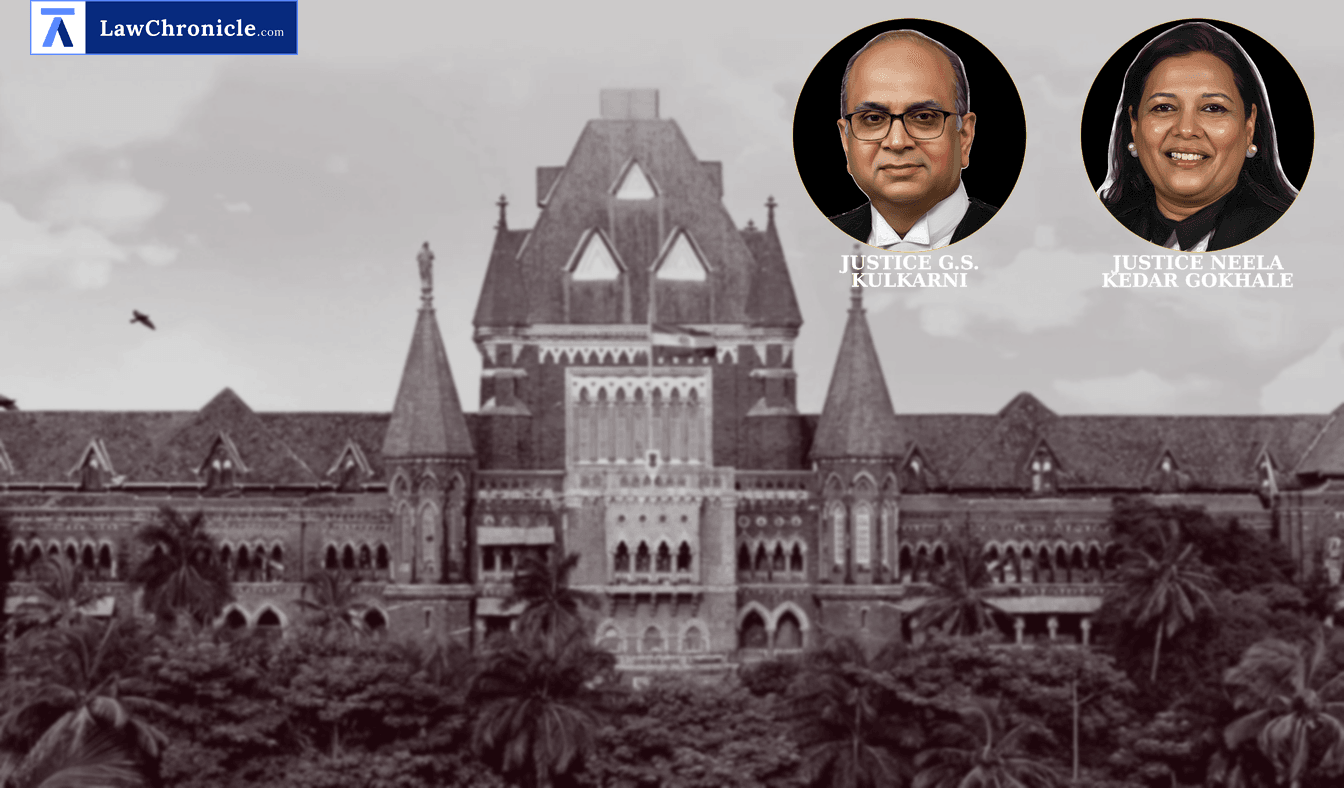
The Bombay High Court has slammed the door on regularisation claims by COVID-19 frontline workers, ruling that temporary staff hired specifically for pandemic exigencies possess no legal right to permanent absorption once the emergency subsides. The court clarified that such appointments, including those allowing retired personnel, are project-specific engagements that automatically terminate upon the cessation of the contingency.
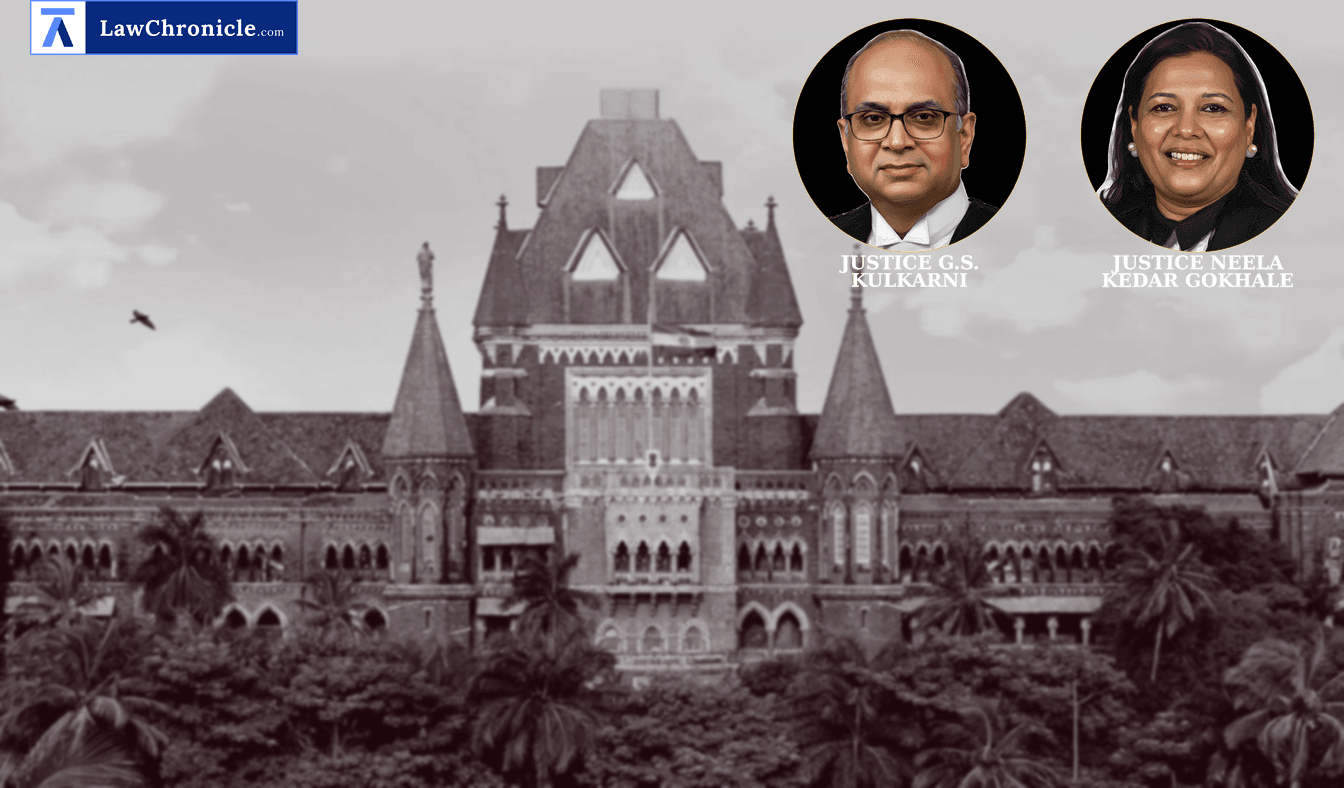
A division bench comprising Justice G. S. Kulkarni and Justice Dr. Neela Gokhale heard the challenges brought by various Staff Nurses, Auxiliary Nurse Midwives (ANM), and Ward Boys against their termination by the Kalyan Dombivli Municipal Corporation (KDMC). The petitioners sought to set aside termination orders and sought regularisation of their services in the Health Department.
Key Takeaways
Project-Specific Employment Finality
Temporary services engaged for a specific project or contingency, such as a pandemic, end automatically with the project's closure, leaving no room for vested rights to employment.
Restrictions on Judicial Regularisation
Courts cannot invoke Article 226 of the Constitution of India, 1950 to bypass constitutional and statutory mandates for regular recruitment, especially when the initial hiring lacked a regular competitive process.
Impact of Interim Orders
Continuance in service by virtue of a court's interim order does not create any equity or legal right for regularisation if the final adjudication is against the employee.
Contractual Terms for COVID-19 Staff
The Bombay High Court observed that the initial advertisements and appointment letters clearly stipulated that the recruitment was purely on a contractual basis to meet the emergency requirement during the pandemic. The bench noted that Clause (6) of the general terms specified that the appointment would terminate automatically once the pandemic ended or the COVID-19 treatment rooms closed.
Referring to the nature of the recruitment, the Bombay High Court observed that "The temporary nature of the appointment is demonstrated in the advertisement itself. The Respondent-Corporation has clearly and unequivocally stated that the appointment shall automatically end upon the abatement of the pandemic. ... Thus, since the appointment itself was a temporary engagement in connection with a project, the temporary service automatically ended with the end of the project. The appointment was co-terminus with the project."
Ratio
An ad hoc or temporary service of persons employed under a specific project or scheme comes to an end on the completion, closure, or cessation of such project or scheme. Such employees, even if they continue for a duration by virtue of interim court orders, do not acquire a legal right to permanency or regularization, particularly when the recruitment process was not a regular open competitive selection meant for permanent posts.
Background
During the peak of the COVID-19 pandemic, the KDMC faced a severe staff shortage and issued advertisements to recruit health workers on a temporary, three-month contractual basis. The petitioners were selected through walk-in interviews. As the pandemic subsided, the Corporation decided to discontinue their services and transition to an outsourcing model for health department manpower to manage establishment expenditure within the 35% limit imposed by the State Government.
The petitioners initially approached the Industrial Court under the Maharashtra Recognition Of Trade Unions And Prevention Of Unfair Labour Practices Act, 1971, but the complaint was eventually dismissed. They then approached the Bombay High Court, relying on Manish Gupta v. President, Jan Bhagidari Samiti & Ors. to argue that ad hoc employees cannot be replaced by another set of ad hoc employees. However, the Bombay High Court distinguished the precedents, noting that the specific contingency of the pandemic was the sole driver for the petitioners' hiring. The Bombay High Court relied on the principles established in Secretary, State of Karnataka v. Umadevi ( "(2006) 4 SCC 1": 2006 CaseBase(SC) 148) and Mohd. Abdul Kadir and Another vs Director General of Police, Assam and others, which mandate that regularization is only an exception for those who have served over 10 years in sanctioned posts through irregular (not illegal) appointments.
Case Details:
Case No.: WRIT PETITION NO. 5395 OF 2022 WITH WRIT PETITION NO. 8812 OF 2022
Neutral Citation: 2026:BHC-AS:41910-DB
Case Title: Manisha Santosh Gaikwad & Ors. v. Kalyan Dombivali Municipal Corporation & Ors.
Appearances:
For the Petitioner(s): Mr. Kishor Patil a/w Ashwini B. Jadhav
For the Respondent(s): Mr. A. S. Rao for Respondent Nos. 1 to 4; Mr. P. P. Kakade, AGP a/w A. R. Deolekar, AGP for Respondent-State
Source: 2026 CaseBase(BOM) 6531
Similar Articles
 Breaking News


