


Seasonal Staff Lack Vested Right To Permanent Appointment In Haj Committee: Bombay HC
 Copy Link
 Share
 Save
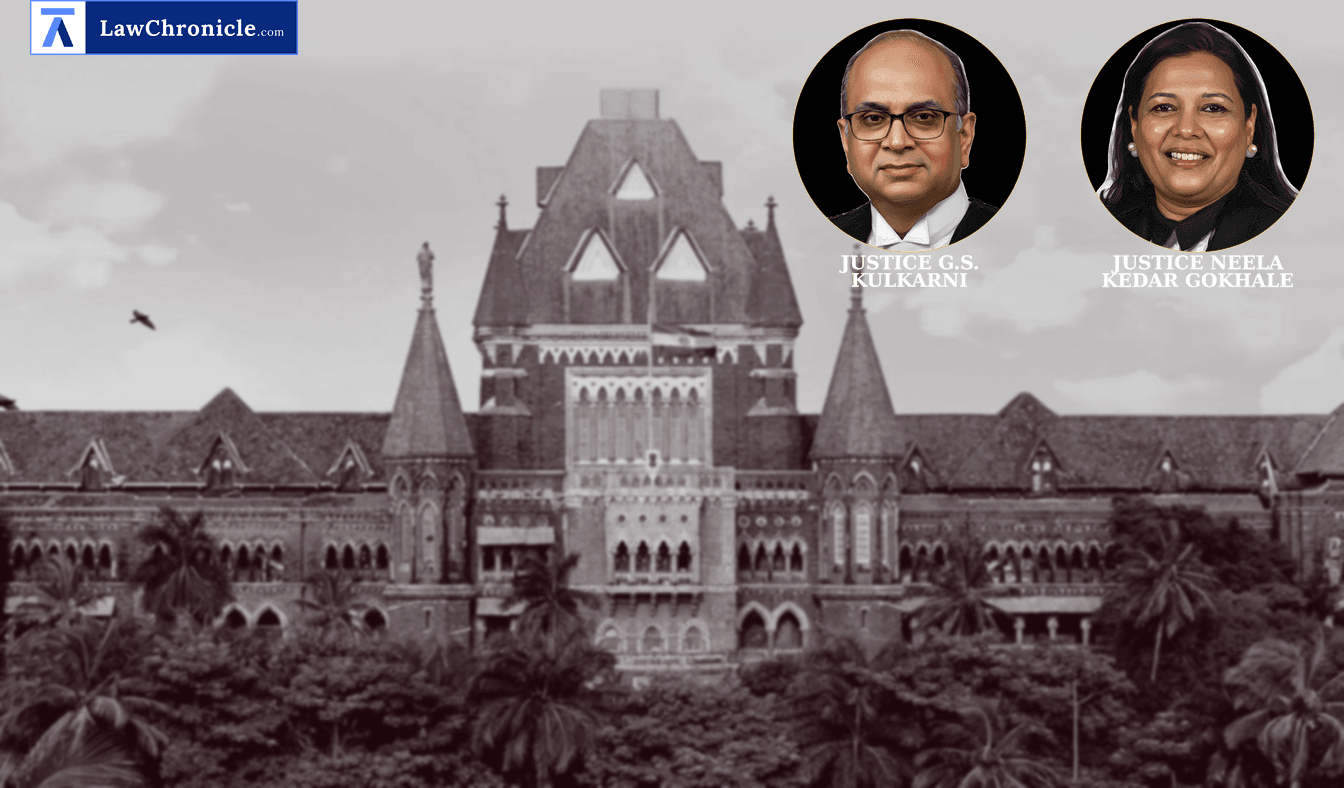
The Bombay High Court has ruled that seasonal employees engaged to meet the intermittent exigencies of Haj pilgrimage arrangements cannot claim a legal right to regularization or permanent service under the Constitution of India. The Bench clarified that such appointments, being purely seasonal and governed by contractual terms, terminate by efflux of time and do not create a binding interest in public employment.
A division bench of Justice G. S. Kulkarni and Justice Dr. Neela Gokhale heard a challenge brought by 38 petitioners who had worked as seasonal clerks, peons, and sweepers for the Haj Committee of India for over a decade. The petitioners sought to quash their termination orders and demanded regularization, arguing that their work was perennial and identical to regular staff.
Key Takeaways
No Right to Regularization
Seasonal or contractual employment, even if spanning several years, does not translate into a legal right for permanent appointment or service regularization.
Nature of Seasonal Work
Appointments made specifically for the Haj season are considered to meet intermittent exigencies and naturally conclude once the season or the contract period ends.
Estoppel in Contractual Appointments
Employees who accept seasonal engagement with full awareness of its temporary nature are estopped from later challenging the discontinuation of such services.
Judicial Restraint on Sympathy
Legal relief cannot be granted based on sentiment or sympathy alone in cases where the litigants fail to establish a statutory or legal right.
Court's Observations on Seasonal Engagement
The Bombay High Court noted that the Haj Committee Act, 2002 and the Haj Committee Rules, 2002 do not authorize the Committee to regularize seasonal employees. The bench observed that while Section 16 of the Act allows the employment of necessary staff with central government sanction, it does not vest seasonal workers with a right to be absorbed into permanent roles. The Bench discussed that "In the context of their designation as seasonal employees, the Petitioners have no legal right to claim permanent appointment and regularisation... those who were appointed on contract basis only to meet the exigency of the work which would be intermittently available, cannot claim any legal right to seek regularisation, more particularly when no post for such work are created and / or are available."
Addressing the petitioners' reliance on their long service, the Bombay High Court highlighted that the recruitment rules explicitly distinguish between seasonal clerks and regular Lower Division Clerks. It held that the petitioners' engagement was purely seasonal and came to an end by efflux of time.
Ratio
Contractual and seasonal appointments do not entitle employees to claim a right or interest in permanent government service. Such engagements are governed strictly by the terms of the agreement, and when the appointment is made for a specific exigency or season, it does not create a binding precedent for regularization, regardless of the duration of service.
Background
The 38 petitioners had been working as seasonal staff with the Haj Committee of India (Respondent No. 2) since approximately 2009. On November 25, 2023, the Committee issued an order terminating their services. The petitioners approached the High Court, contending that their work, including processing Haj applications and handling charter operations, was perennial and that they were being replaced by fresh contractual hands in violation of natural justice.
An interim order had previously protected the petitioners by directing the Committee to consider them for re-employment instead of engaging new hands. However, the Respondents clarified via affidavit that the new recruitment was for a New Delhi branch office for specialized roles and not for seasonal staff in Mumbai. Relying on the precedent set in State of Maharashtra and Ors. Vs. Anita, the Bombay High Court reiterated that contractual employees are estopped from challenging appointment terms once accepted. Citing Teri Oat Estates (P) Ltd. v. U.T., Chandigarh ( "(2004) 2 SCC 130": 2003 CaseBase(SC) 1580), the bench concluded that sentiment cannot override the absence of a legal right, leading to the dismissal of the petition.
Case Details:
Case No.: WRIT PETITION NO. 2652 OF 2024
Case Title: Ansari Safeer Ahmed Musheer A. & Ors. v. The Union of India & Anr.
Appearances:
For the Petitioner(s): Mr Vicky Nagrani
For the Respondent(s): Mr Mahesh Shukla, with Niraj Tripathi and Siddhikesh Shinde
Source: 2026 CaseBase(BOM) 6529
Similar Articles

 Breaking News


