


Delay And Laches Bar Relief Even For Legitimate Service Claims: Patna HC
 Copy Link
 Share
 Save
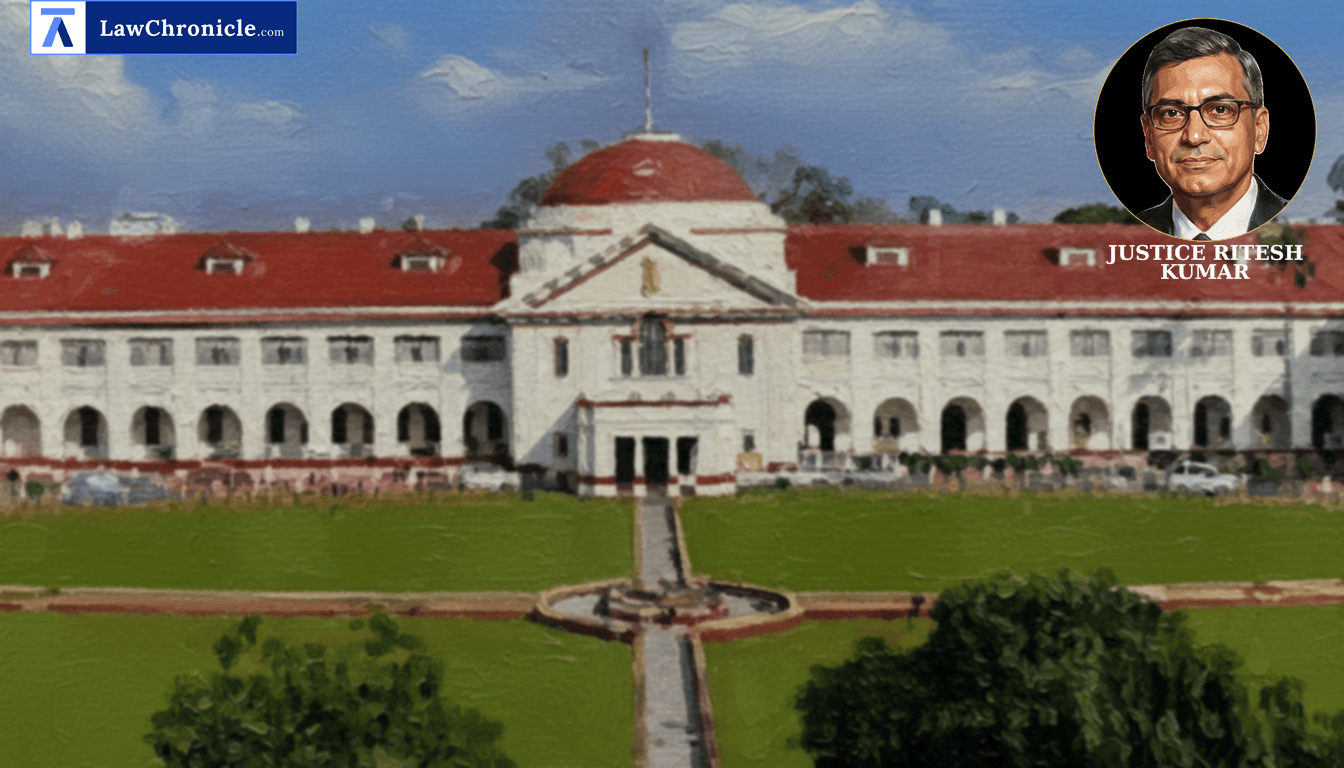
Sleeping over legal rights for over a decade proves fatal to service claims as the High Court reaffirms that extraordinary writ jurisdiction cannot be invoked to resurrect 'stale' claims or disturb settled seniority. The court emphasized that inordinate, unexplained delay in challenging administrative orders creates third-party prejudices that equity cannot overlook.
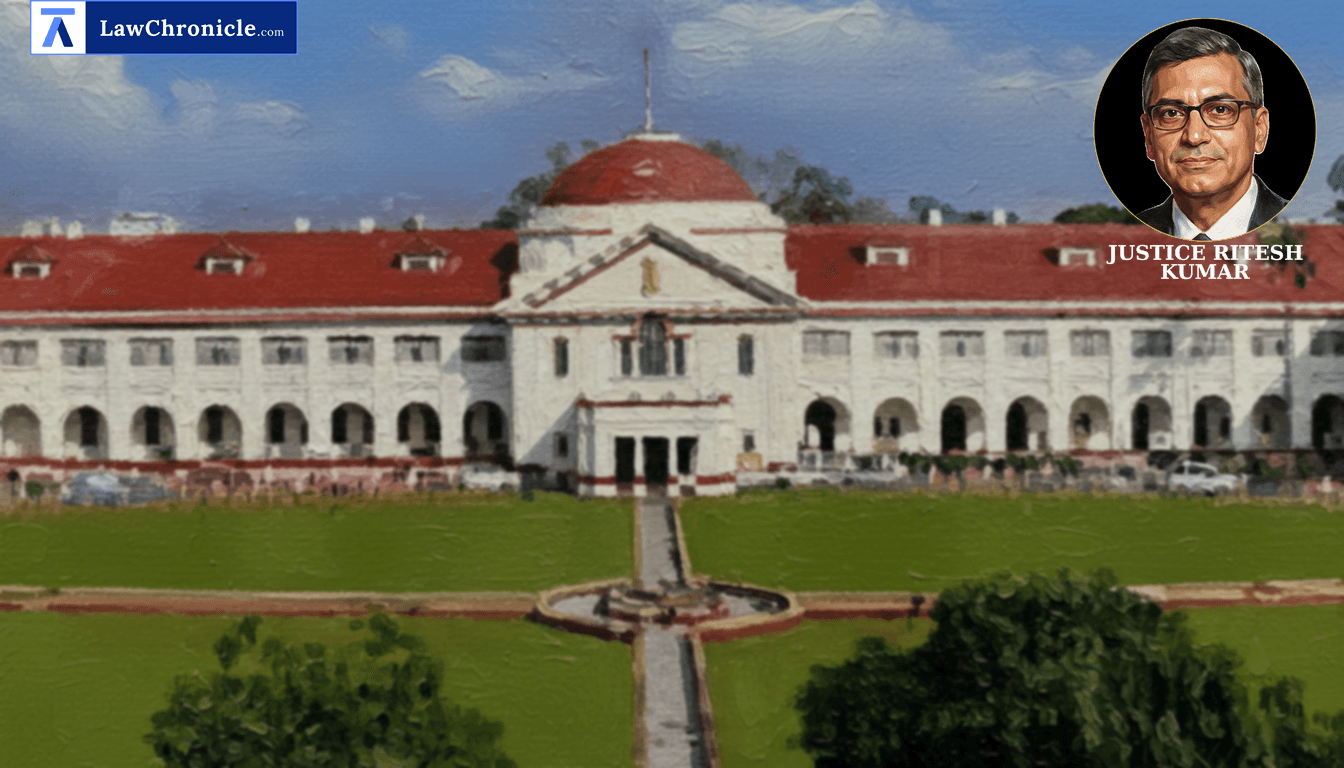
A Single Judge bench of Justice Ritesh Kumar heard the writ petition filed by the legal heirs of a deceased Assistant Engineer seeking retrospective service benefits from 1974. The Court was tasked with deciding whether a litigant who failed to challenge an adverse departmental order for fifteen years could still seek relief under Article 226 of the Constitution of India.
Key Takeaways
Delay Defeats Equity
Litigants who sleep over their rights for considerable periods cannot claim extraordinary relief, as delay is a primary factor in refusing discretionary writ jurisdiction.
Seniority Stability
Retrospective service benefits cannot be granted if they inevitably disturb the settled inter se seniority of a cadre without impleading affected parties.
Contempt Liberty Expiry
Failing to exercise the liberty granted by a court to challenge an order within a reasonable timeframe (seven to eight years) constitutes acquiescence.
In Personam vs In Rem
Judgments delivered 'in personam' require subsequent petitioners to prove their claims are not hit by laches, unlike 'in rem' judgments affecting policy.
Judicial Refusal to Resurrect Lapsed Claims
The Court observed that while the petitioner had a prior favorable direction from a Division Bench in 1998, his failure to meaningfully challenge the subsequent departmental response for 15 years was inexcusable. The Court noted that the petitioner had even filed a contempt petition which was dismissed in 2005 with liberty to challenge the fresh order, yet he waited another seven years to submit a representation and then moved the Court.
The Court has the following directions:
"Accordingly, this court does not find any merit in the present case, therefore the same is dismissed on the ground of delay and laches as well as on merits. Pending application, if any, shall also stand disposed of."
The Court, in its reasoning, observed: "An applicant who approaches the court belatedly or in other words sleeps over his rights for a considerable period of time, wakes up from his deep slumber ought not to be granted the extraordinary relief by the writ courts. This Court time and again has held that delay defeats equity. Delay or laches is one of the factors which should be borne in mind by the High Court while exercising discretionary powers under Article 226 of the Constitution of India."
Ratio
Extraordinary jurisdiction under Article 226 of the Constitution of India is discretionary and will not be exercised in favor of an indolent litigant whose unexplained delay in approaching the court causes prejudice to third parties or disrupts settled administrative arrangements like cadre seniority. A dead cause of action cannot be revived by submitting fresh memorials or representations after inordinate delay.
Background
The dispute originated from the service of a Junior Engineer appointed in 1959, who claimed he discharged duties of an Assistant Engineer from December 21, 1974. Although he was eventually promoted regularly in 1979 w.e.f. 1976, he sought seniority from 1974. His initial challenge was dismissed by a Single Judge but partially modified by a Division Bench in L.P.A. No. 1720/95, directing the state to treat him as having a 'working arrangement' from 1974 without affecting inter se seniority.
In response to that order, the State issued a memo dated October 9, 1998, granting only a special pay of Rs. 30/-. The petitioner moved a contempt petition (M.J.C. No.2411 of 1999) which was dismissed in 2005, granting him liberty to challenge the 1998 memo. However, the petitioner approached the High Court again only in 2013. The State argued that shifting the date would disturb the seniority of numerous officers who were not parties to the suit. Relying on State of Uttar Pradesh & Ors. versus Arvind Kumar Srivastava & Ors. ( "2015 (1) SCC 347": 2014 CaseBase(SC) 808) and Mrinmoy Maity versus Chhanda Koley & Ors. ( "2024 (15) SCC 215": 2024 CaseBase(SC) 114), the High Court held that the petition suffered from terminal laches.
Case Details:
Case No.: Civil Writ Jurisdiction Case No.18536 of 2013
Case Title: Kiran Kumari & Ors. Versus The State of Bihar & Ors.
Appearances:
For the Petitioner(s): Mr. Shashi Shekhar Tiwary, Advocate
For the Respondent(s): Mr. Amit Bhushan, AC to GP-17
Source: 2026 CaseBase(PAT) 3957
Similar Articles
 Breaking News


