


Delhi High Court Quashes 18-Year-Old Blacklisting Order, Says Debarment Cannot Be Permanent
 Copy Link
 Share
 Save
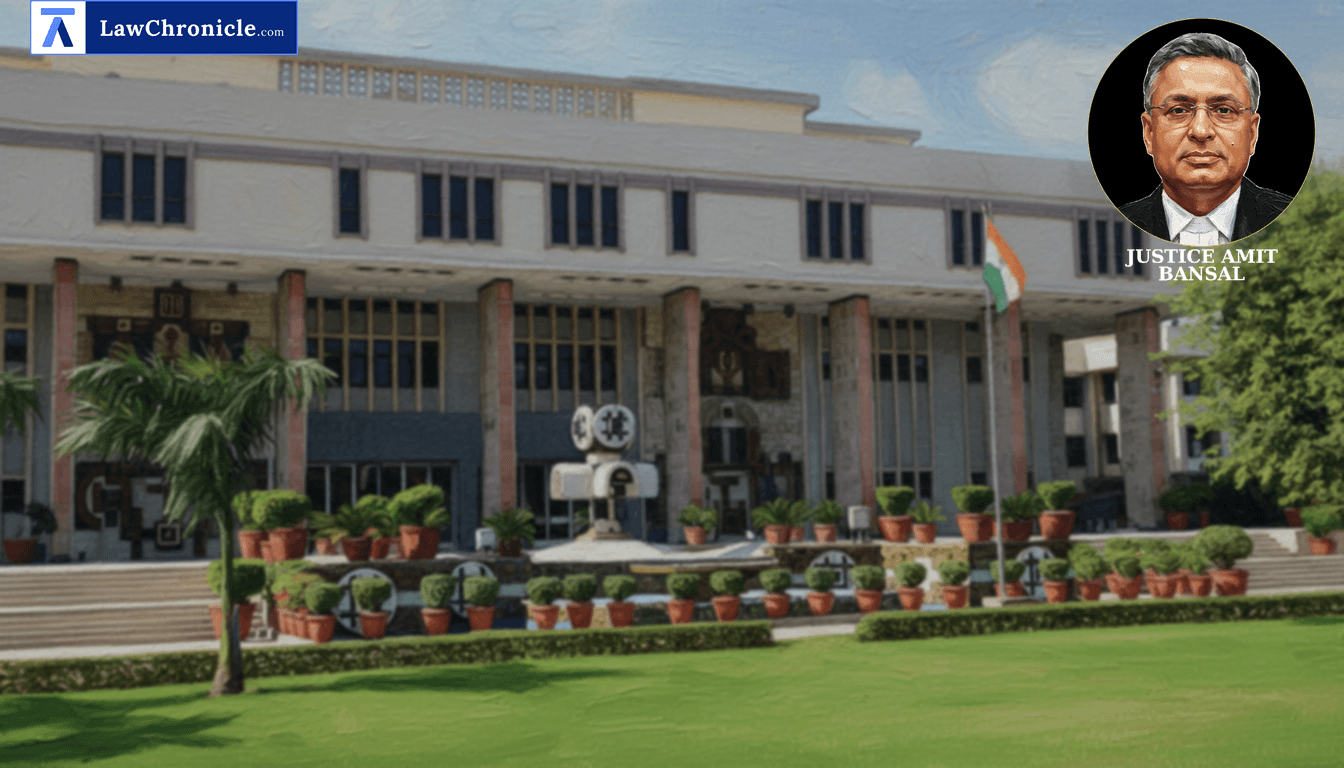
The Delhi High Court has declared that the power of the State to blacklist a contractor is not absolute and cannot result in permanent commercial elimination. A single-judge bench of Justice Amit Bansal emphasized that any debarment order must strictly adhere to a specific timeframe and proportionality, quashing an open-ended debarment that had persisted since 2008.
The Court was hearing a challenge against a speaking order passed by the Delhi Jal Board which sought to debar the petitioner until the conclusion of pending criminal proceedings and subsequent appeals. The bench observed that such open-ended contingencies are arbitrary and contrary to established legal principles. The Court has the following directions:
"taking into account that the petitioner has been continuously blacklisted since 2008, i.e. a period of 18 years, this Court is of the view that the blacklisting of the petitioner cannot continue any further. Accordingly, it is directed that the petitioner would be entitled to participate in all future tenders of the respondent/DJB, subject to fulfilment of eligibility norms."
Legal Ratio on Indefinite Debarment
The Court, in its reasoning, observed: "As regards the period for which the order of debarment will remain effective, the guidelines state that the same would depend upon the seriousness of the case leading to such debarment. Suffice it to say that ‘debarment’ is recognised and often used as an effective method for disciplining deviant suppliers/contractors who may have committed acts of omission and commission... What is notable is that the ‘debarment’ is never permanent and the period of debarment would invariably depend upon the nature of the offence committed by the erring contractor."
Consistency with Statutory Guidelines and Precedents
The Court noted that the Constitution of India and the Rules for Enlistment of Contractors in DJB 2023 both prescribe a maximum blacklisting period of two years. It held that the impugned order, which tied the debarment to the outcome of CBI investigations and court appeals, was ex-facie not in conformity with these rules. The bench relied heavily on the Supreme Court's decision in Kulja Industries Ltd. v. Chief General Manager, which established that permanent debarment is too harsh a punishment to be considered reasonable.
Background:
The dispute originated in 2004 when the petitioner was awarded a pipeline renovation contract by the Delhi Jal Board. In 2007, the Central Bureau of Investigation (CBI) registered an FIR alleging corruption in the procurement process. Consequently, the petitioner was debarred in June 2007. Over the next decade, the matter saw multiple rounds of litigation including appeals before the Division Bench and the Supreme Court.
In 2013, a CBI Court convicted the petitioner and its Managing Director under various sections of the Indian Penal Code, 1960 and the Prevention of Corruption Act, 1988. Despite this conviction, the petitioner challenged the continued debarment, arguing that the 18-year-long exclusion was arbitrary. The respondent contended that the petition was barred by limitation and that the State has the exclusive right to decide its trading partners. However, the Court rejected these arguments, noting that continued blacklisting constitutes a recurring cause of action and that the legal landscape regarding debarment has evolved significantly since Kulja Industries Ltd. v. Chief General Manager. Following the principles in Sabharwal Medicos Pvt Ltd. v. Union of India and Coastal Marine Construction and Engineering Limited v. Indian Oil Corporation Limited, the High Court concluded that since the petitioner had already served an 18-year debarment far exceeding the statutory maximum of two years any further blacklisting would be unlawful.
Case Details:
Case No.: W.P.(C) 16962/2022 & CM APPL. 53749/2022
Case Title: KAVERI INFRASTRUCTURE PVT LTD. v. DELHI JAL BOARD, THROUGH ITS CHIEF EXECUTIVE OFFICER
Appearances:
For the Petitioner(s): Mr. Satvik Varma, Senior Advocate with Mr. Udit Chauhan, Mr. Shantanu Parmar, Mr. Yash Agarwal & Mr. Balram, Advocates.
For the Respondent(s): Mr. Karunesh Tandon, Mr. Sarthak Mittal and Mr. Prabin Mohan, Advocates.
Source: 2026 CaseBase(DEL) 468
Similar Articles
 Breaking News


