


IVF Failure Not Cheating: Allahabad HC Quashes Criminal Case Against Doctor
 Copy Link
 Share
 Save
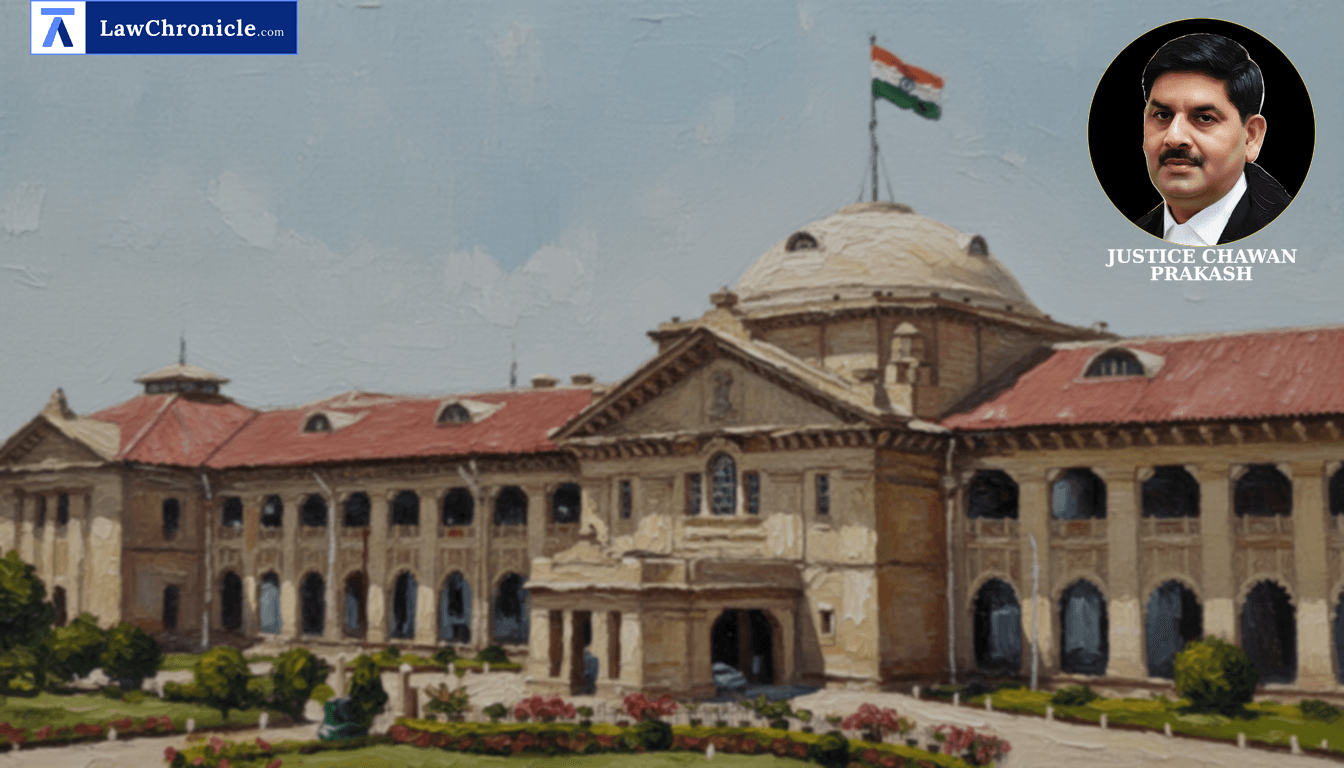
The Allahabad High Court has ruled that the failure of an IVF procedure does not constitute an offense of cheating under the I.P.C.. The Bench emphasized that medical science is not an exact science and a lack of desired results cannot be equated with fraudulent intent or criminal liability. Justice Chawan Prakash quashed the criminal proceedings initiated against a qualified medical practitioner, observing that the trial court had acted in a mechanical manner by summoning the doctor without evidence of dishonest inducement at the inception of the treatment.
Key Takeaways
No Guarantee of Medical Success
Medical procedures, particularly specialized treatments like IVF, carry inherent failure rates and cannot be treated as a legal guarantee of success.
Distinction Between Breach and Fraud
A mere breach of contract or a medical failure is distinct from the offense of cheating; the latter requires proof of deceptive intent at the very beginning of the transaction.
Judicial Scrutiny in Summoning
Magistrates must not act as silent spectators or summon accused persons in a casual manner; they must rigorously scrutinize evidence to ensure criminal law is not used as a tool for harassment.
Cheating Case against Medical Practitioners
The Allahabad High Court clarified the high threshold required to sustain a charge of cheating in medical contexts. It noted that the professional fees charged for services rendered over time cannot be viewed as fraudulent inducement simply because the patient did not conceive. The Bench explained that "The distinction between a mere breach of contract or medical failure and the offence of cheating depends on the intention of the accused at the time of the inducement. Mere failure to achieve a successful medical outcome does not automatically establish fraudulent intent... Offering IVF treatment cannot be equated with a legal guarantee of pregnancy."
Addressing the procedural lapses of the lower courts, the Allahabad High Court further noted that “Summoning an accused in a criminal case is a serious matter. Criminal law cannot be set in motion as a matter of course. Merely producing two witnesses to support the allegations in the complaint is not sufficient to have the criminal law set in motion. The Magistrate's order summoning the accused must reflect that the Magistrate has applied his mind to the facts of the case and the law applicable thereto.”
Ratio
A medical practitioner cannot be held liable under Section 420 of the I.P.C. for the failure of a medical procedure unless there is clear evidence of dishonest or fraudulent intent existing at the very inception of the transaction. The failure of treatment, such as IVF, does not by itself imply negligence or fraud, as medical science is not an exact science.
Background
The dispute originated when a husband (Opposite Party No. 2) filed a complaint alleging that he paid Rs. 3,50,000 for his wife's IVF treatment at the applicant's hospital, but she failed to conceive. He alleged that the doctor misled him and refused to refund the money, prompting him to file a complaint under Section 156(3) of the Cr.P.C.. The Magistrate summoned the doctor under Section 420 of the I.P.C., and a subsequent revision petition filed by the doctor was dismissed by the Sessions Court.
Before the Allahabad High Court, the applicant argued that she is a highly qualified practitioner and that no IVF procedure has a 100% success rate. The Court relied on the landmark judgment in State of Haryana v. Bhajan Lal to highlight the parameters for quashing proceedings to prevent the abuse of the process of law. It also referred to Jacob Mathew v. State of Punjab ( "(2005) 6 SCC 1": 2005 CaseBase(SC) 417), which established that medical practitioners cannot guarantee a cure and failure does not imply criminal liability. Finding that the dispute was essentially a monetary claim stemming from an unsuccessful medical outcome, the Allahabad High Court allowed the application.
Case Details:
Case No.: APPLICATION U/S 482 No. - 19362 of 2020
Case Title: Dr. Sarita Teotia v. State of U.P. and Another
Appearances:
For the Petitioner(s): Pratik J. Nagar, Advocate
For the Respondent(s): G.A., Shyam Babu Vaish, Advocate
Source: 2026 CaseBase(ALL) 1358
Similar Articles


 Breaking News


