


Kerala HC Upholds Magistrate's Decision to Proceed with Inquiry Instead of Police Investigation
 Copy Link
 Share
 Save
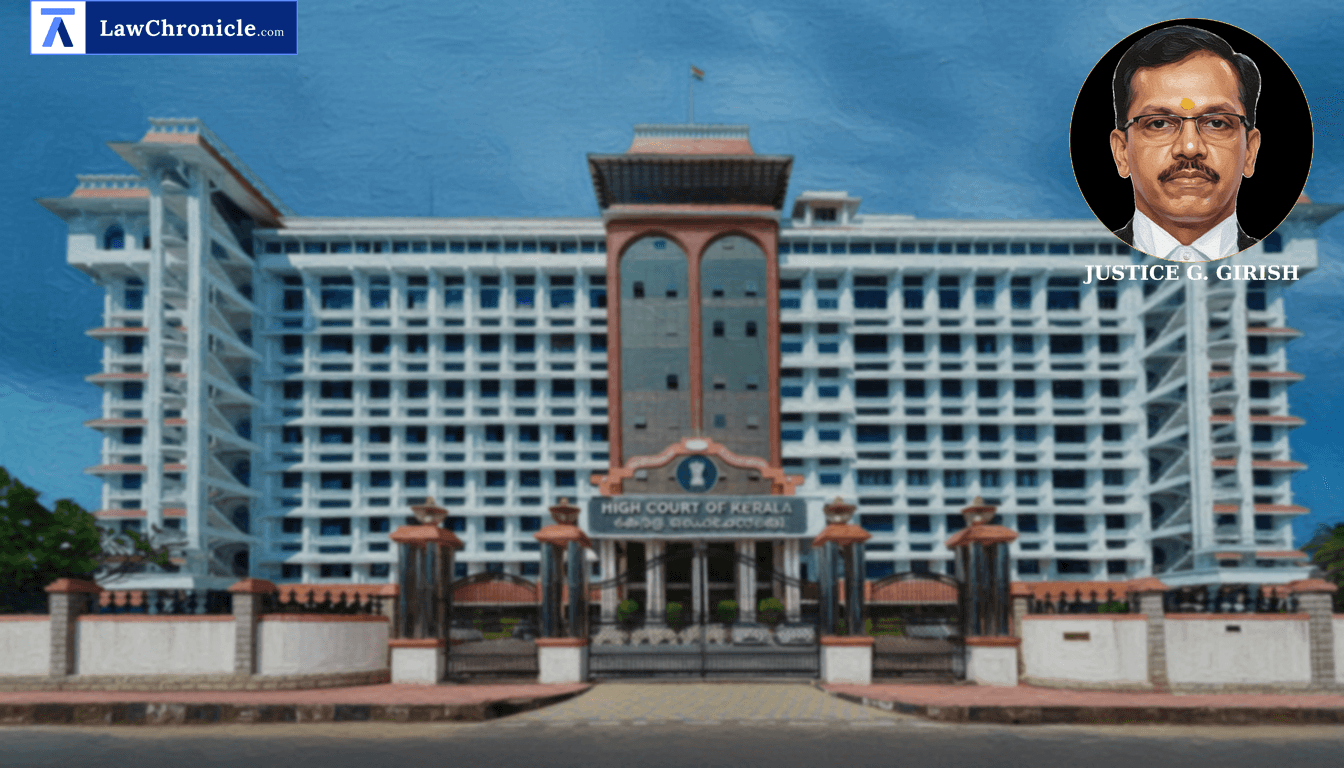
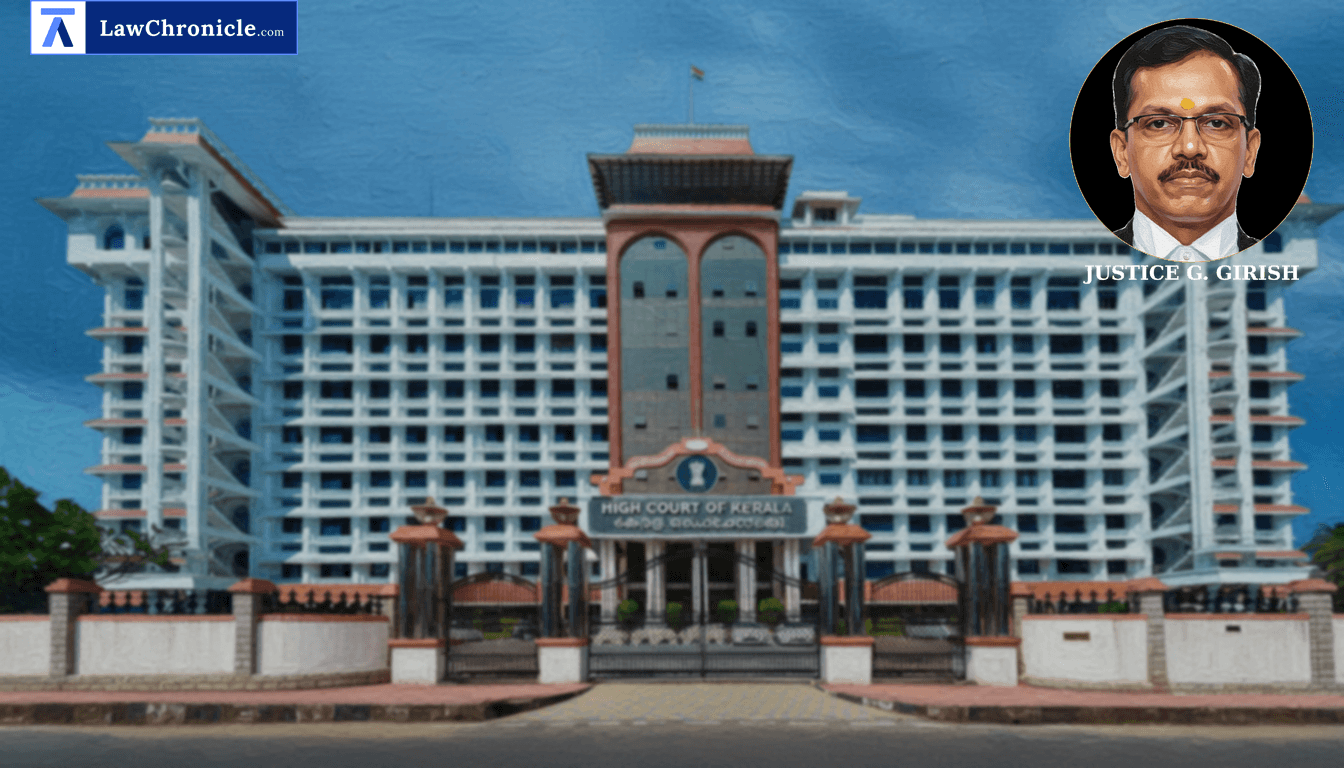
The Kerala High Court has affirmed that a Magistrate possesses the discretion to proceed with a private complaint inquiry under the new procedural laws rather than mandatorily forwarding it for police investigation, especially when the complainant themselves prayed for such a course of action. In a notable decision, Justice G. Girish observed that where property disputes are central to the allegations, a Magistrate's decision to conduct an inquiry personally is neither improper nor illegal.
A single-judge bench of Justice G. Girish was hearing an original petition filed under Constitution of India, 1950. The petitioner challenged the decision of the Judicial First Class Magistrate Court, Thiruvalla, which had initiated proceedings under Sections 223 and 225 of the Bharatiya Nagarik Suraksha Sanhita, 2023 instead of directing the police to register an FIR under Section 175(3) of the same statute.
Magistrate’s Discretion in Private Complaints
The Court observed that the petitioner had essentially approached the Magistrate with a prayer that included two options: first, to take the complaint on file and conduct a trial, or alternatively, to forward it to the police. The Court found that the Magistrate simply opted for the petitioner's first preference.
The Court, in its reasoning, observed: "The issue is inseparably linked to the property disputes between shareholders which have its origin in the Will Deed executed by their ancestor. That being so, the discretion exercised by the learned Magistrate to proceed with the enquiry under Sections 223 & 225 of the BNSS cannot be said to be improper or illegal, warranting the interference of this Court..."
Regarding the procedural choices made by the lower court, the High Court noted that the petitioner could not find fault with the Magistrate for adopting a course of action that was explicitly requested in the complaint as the primary option.
Court Directions
The Court has the following directions:
"In the result, the original petition is hereby dismissed."
Background:
The dispute originated from a property conflict involving a Will Deed executed in 1984. The petitioner alleged that his father’s brother (Respondent No. 1) had conspired with bank officials (Respondents 2 and 3) to execute loan documents using the petitioner’s property as security. These actions allegedly led to proceedings before the Debt Recovery Tribunal. The petitioner contended that these acts were punishable under Sections 316 and 318 of the Bharatiya Nyaya Sanhita, 2023.
After the police failed to take action on his complaints, the petitioner filed a private complaint (Ext.P1) before the Magistrate. Although the petitioner argued before the High Court that a police inquiry was necessary due to the nature of the case, the High Court highlighted that his own prayer in the complaint sought the Magistrate to "conduct trial and punish the accused" as the first option. Consequently, the High Court found no merit in the challenge against the Magistrate's procedural choice and dismissed the petition.
Case Details:
Case No.: OP(CRL.) NO. 118 OF 2025
NeutralCitation: 2026:KER:38674
Case Title: JINU MATHEW v. THOMAS MATHEW & OTHERS
Appearances:
For the Petitioner(s): SHRI.V.JOHN MANI, SHRI.S.JAYANT, SHRI.SETHULAKSHMI K.K., SHRI.VARGHESE SABU, SMT.MADHURIMA B., SMT.MEENAKSHY V.S., SMT.FATHIMA SHAHNA A.A.
For the Respondent(s): SHRI.D.CHANDRASENAN
Source: 2026 CaseBase(KER) 320
Similar Articles
 Breaking News


