


Madhya Pradesh HC: Appellate Authority Cannot Decide Merits If Subordinate Order Rests Solely On Limitation
 Copy Link
 Share
 Save
Appellate authorities are legally barred from adjudicating the merits of a dispute if the lower forum's decision was confined strictly to the threshold of limitation. The Madhya Pradesh High Court has underscored that a second appellate court must first resolve the delay condonation or remand the matter, rather than bypassing the procedural lapse to decide substantive issues.
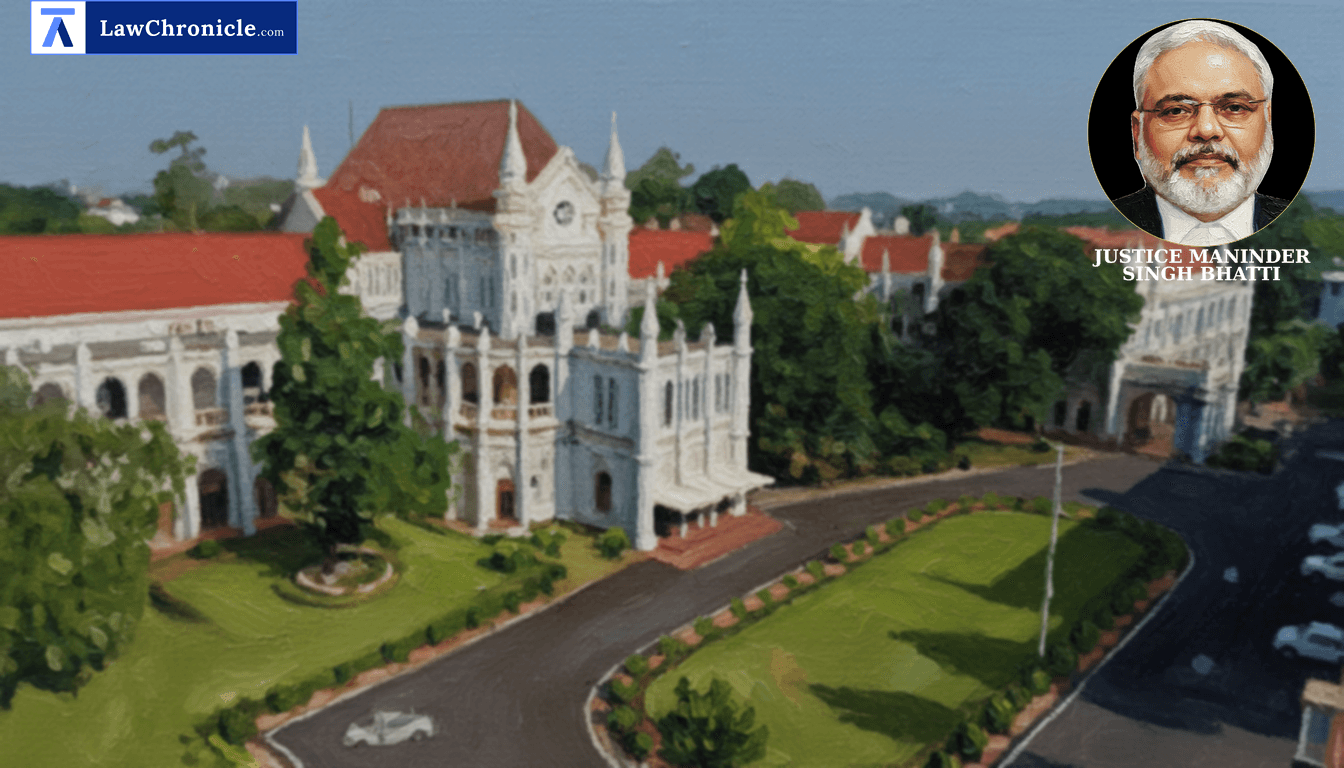
In a case highlighting procedural propriety in revenue litigation, a Single Judge bench of Justice Maninder S. Bhatti set aside an order passed by the Additional Commissioner, Sagar, which had ventured into the merits of a land dispute despite the primary appeal being dismissed solely on the grounds of limitation under the Limitation Act.
Key Takeaways
Procedural Hierarchy Safeguarded
An appellate court cannot assume the role of the first instance court on merits if the lower authority never reached that stage due to technical dismissals.
Remand as Mandatory Course
If a superior court finds the delay excusable, the legally sound procedure is to remand the matter back to the lower authority for a fresh adjudication on merits.
Jurisdiction Overreached
Deciding a case on merits when the underlying challenge was limited to procedural delay constitutes an exercise of jurisdiction that cannot receive judicial approval.
Invalidity of Adjudication Without Subordinate Findings
The Court observed that the Additional Commissioner failed to appreciate the narrow scope of the appeal before it. Since the Sub-Divisional Officer (SDO) had not touched the merits of the case, the Additional Commissioner lacked the foundational findings required to pass a merit-based judgment. The Court, in its reasoning, observed: "...the adjudication of the appeal on merit by the Additional Commissioner, Division Sagar is an exercise which cannot be given stamp of approval in absence of any adjudication by the subordinate authority, i.e. Sub-Divisional Officer (Revenue), Tikamgarh on merit of the matter."
The Court has following directions:
"Resultantly, the present Writ Petition stands allowed. The impugned order dated 03.10.2020 contained in Annexure P/1 passed by Additional Commissioner, Division Sagar, District Sagar stands set aside. Parties are directed to appear before the Additional Commissioner, Division Sagar, District Sagar on 12.10.2026. The Additional Commissioner, then proceed to decide the said appeal while keeping in mind that the appeal before the Additional Commissioner is arising out of an order which was not passed on merit, but passed in view of Section 5 of the Limitation Act."
Ratio
When a first appellate authority dismisses an appeal solely on the ground of limitation without an adjudication on merits, the second appellate authority cannot directly decide the merits of the dispute. It must either restrict its consideration to the issue of limitation or, upon condoning the delay, remand the matter to the lower authority for a merit-based decision to ensure the parties do not lose a level of factual adjudication.
Background
The petitioners approached the High Court under Article 226 of the Constitution of India challenging an order passed by the Additional Commissioner, Division Sagar. The dispute originated from an application against an order of the Tehsildar, Badagaondhasan, which was taken in appeal before the Sub-Divisional Officer (Revenue), Tikamgarh. The SDO dismissed the appeal strictly on the ground of limitation. However, when this dismissal was challenged, the Additional Commissioner proceeded to decide the entire case on its merits instead of limiting the inquiry to the question of delay condonation.
The petitioners argued that there was no occasion for the Additional Commissioner to take a decision on merits as there was no such adjudication by the SDO. The State and private respondents defended the order, suggesting it was rightly passed and warranted no interference. The High Court, however, found the Additional Commissioner's approach procedurally flawed and allowed the petition, directing a fresh consideration of the limitation issue.
Case Details:
Case No.: WRIT PETITION No. 18624 of 2020
Neutral Citation: 2026:MPHC-JBP:77303
Case Title: Ratan Singh And Others Versus The State Of Madhya Pradesh And Others
Appearances:
For the Petitioner(s): Shri Dharmendra Patel - Advocate
For the Respondent(s): Shri Amreshwar Pathak - Panel Lawyer for the respondent/State; Shri Pravesh Naveria - Advocate for the respondent Nos. 5, 6 and 7.
Source: 2026 CaseBase(MP) 25518
Similar Articles
 Breaking News


