


No Bar On Parallel Departmental And Criminal Proceedings Under Central Excise Act, Supreme Court Holds
 Copy Link
 Share
 Save
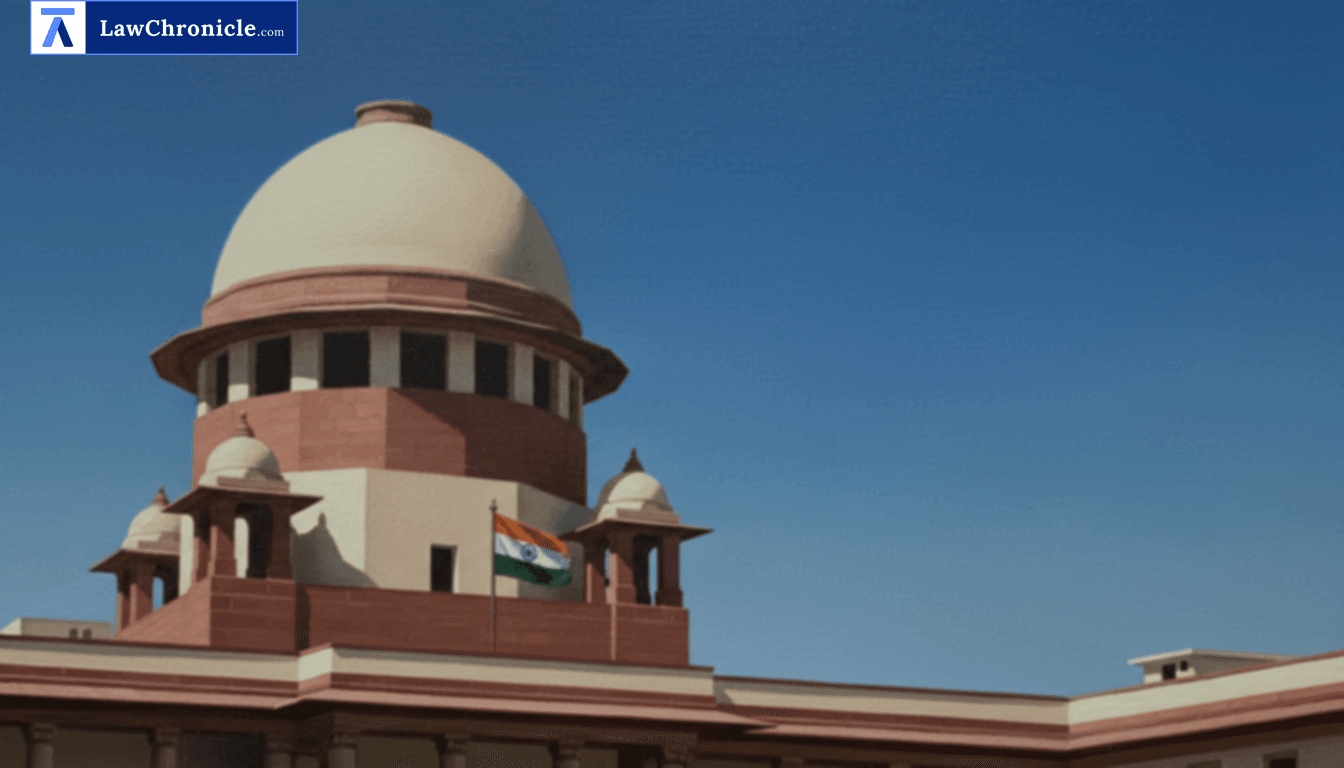
A two-judge bench of Chief Justice B.R. Gavai and Justice Augustine George Masih heard the appeal arising from criminal proceedings initiated under Sections 9 and 9AA of the Central Excise Act, 1944, challenging the High Court of Allahabad’s refusal to quash the trial court’s order summoning the accused. The appellants — manufacturing firms and a director — contended that criminal prosecution was unsustainable because departmental adjudication orders relied upon had been set aside by the High Court.
The Court dismissed the appeal and affirmed the High Court’s judgment, holding that parallel departmental adjudication and criminal prosecution were permissible where the complaint and investigation disclosed prima facie allegations. The Court accepted the Union’s submission that the complaint did not solely rest on a now-set-aside adjudication order but proceeded on independent investigative material. The Court, in its reasoning, observed: “Collectively, in the light of aforesaid perusal of the relevant orders, a reference to Radheyshyam Kejriwal (supra) reveals that, as in the present case, there is no bar on parallel proceedings, with one being by the Respondent-Department and the other being criminal in nature, under the CEA 1944.” The Court further emphasised that “adjudication and prosecution were independent processes” and noted that the trial court was concerned only with whether there was “prima facie evidence against the Appellants to proceed with the concerned Complaint.”
Background: The dispute arose after searches at the appellants’ premises in November 2007 led to two separate show cause notices (SCNs). The first SCN was dropped and seized goods were released, but the second SCN culminated in a demand of Rs. 6.68 crore and a penalty against the director. The CESTAT set aside the first adjudication order on procedural grounds and remanded for de novo consideration; a subsequent re-adjudication by the Kanpur Commissioner again recorded adverse findings and was later set aside by the Allahabad High Court for procedural irregularities and remitted for fresh adjudication at Lucknow.
The Directorate General sanctioned prosecution in May 2013, and a criminal complaint was filed in 2014. The appellants applied for discharge under Section 245 CrPC; the trial court rejected discharge, holding that adjudication and prosecution were independent. The High Court refused to quash the criminal proceedings and dismissed the revision petition, observing that the complaint disclosed prima facie material. The appellants argued before the Supreme Court that the complaint was founded on an order already quashed and that continued prosecution violated Article 21 and the procedure established by law. The Union countered that there was no embargo on initiating criminal proceedings even where departmental orders were under reconsideration and relied on precedents including Radheyshyam Kejriwal and Pramod Kumar Dhamija.
The Supreme Court reviewed the record and held that the complaint relied on independent investigatory material from searches and the investigation report, not exclusively on the set-aside adjudication. The Court rejected submissions that the criminal complaint was “groundless” because a departmental order had been quashed on technical grounds, and declined to interfere with the High Court’s judgment. The appeal was dismissed, and the High Court’s order dated 05.02.2016 was upheld. The Court clarified that its observations were limited to disposal of the present case and would not affect merits of ongoing departmental proceedings; pending applications, if any, stood disposed of.
Case Details: Case No.: CRIMINAL APPEAL NO. 268 OF 2017 (2025 INSC 901) Case Title: M/s Rimjhim Ispat Limited and Others v. Union of India & Another Appearances: For the Petitioner(s): Senior Counsel (name not indicated in judgment) For the Respondent(s): Additional Solicitor General (appearing; name not indicated)
Similar Articles
 Breaking News


