Owner-Driver Not Third Party To Own Insurance Policy: Chhattisgarh HC
 Copy Link
 Share
 Save
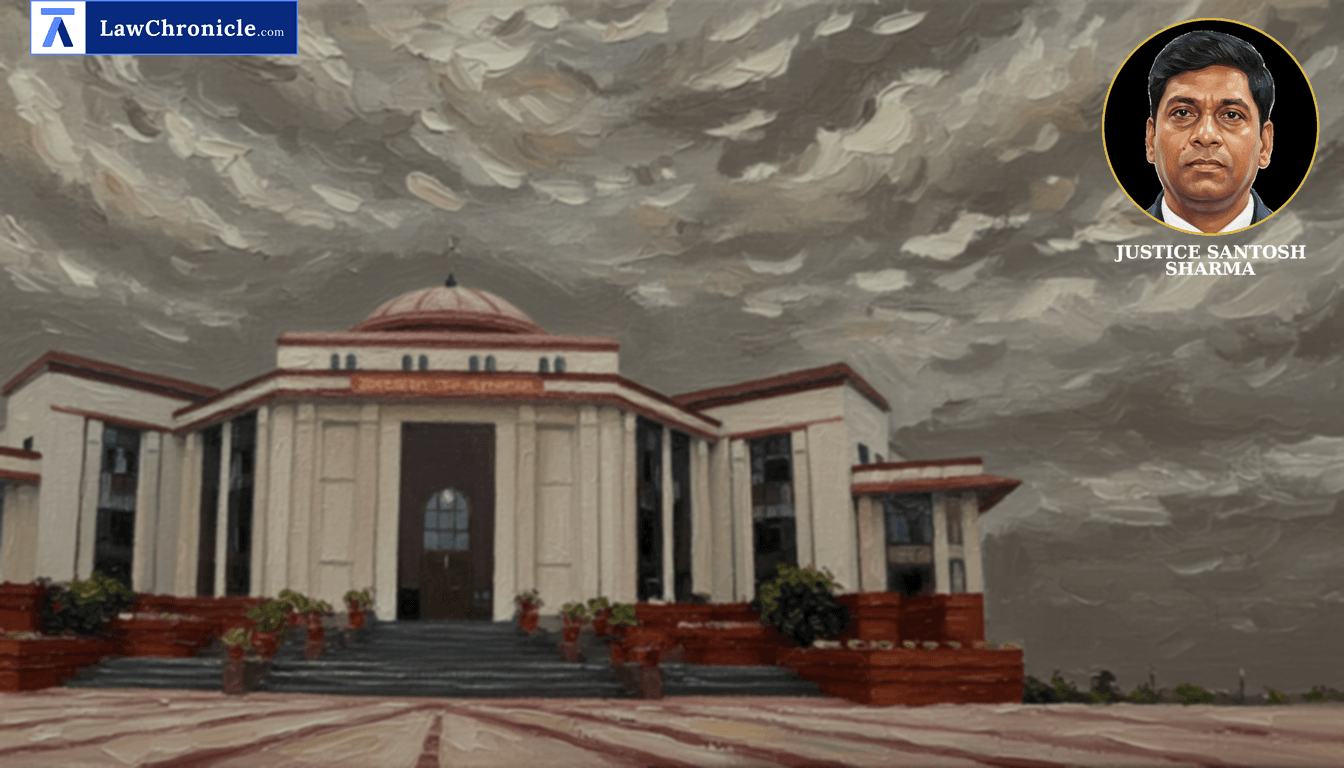
The Chhattisgarh High Court has barred compensation claims by legal heirs of vehicle owners under Section 163-A of the Motor Vehicles Act, 1988, ruling that an owner cannot simultaneously be the claimant and the recipient of insurance benefits for their own vehicle. In a decisive blow to claims arising from self-accidents, the Court held that the registered owner steps into the shoes of the insurer's primary contractor, thereby excluding them from the 'third-party' category required for statutory indemnity.
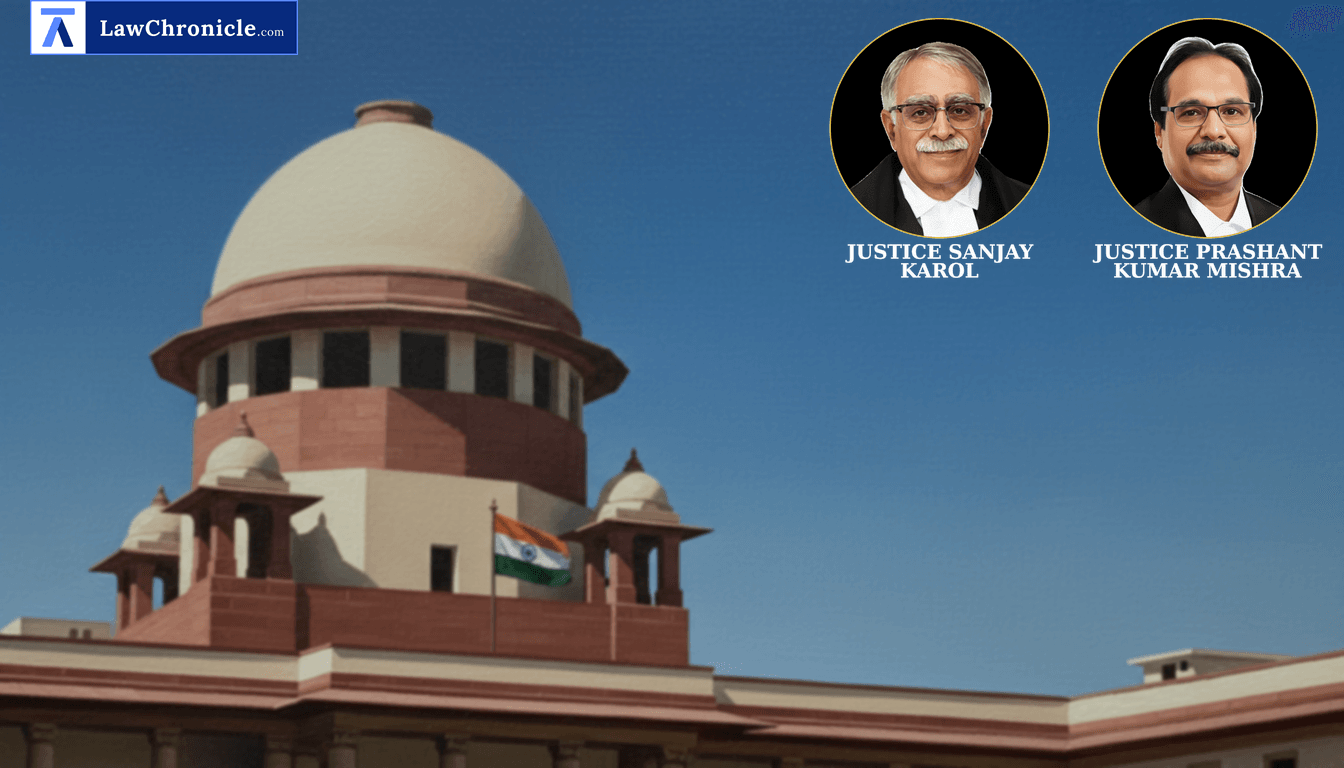
In an appeal heard by Justice Santosh Sharma, the Court scrutinized the legal boundaries of insurance liability when a vehicle owner meets with a fatal accident while driving their own vehicle. The case arose from a claim filed by the legal representatives of a deceased motorcyclist who allegedly collided with an unidentified vehicle, seeking to hold the insurer liable despite the absence of personal accident coverage.
Key Takeaways
Owner Cannot Be Third Party
An individual who owns and drives a vehicle is not a 'third party' in relation to their own insurance policy, precluding claims against the insurer under Section 163-A.
Contractual Coverage Mandatory
Insurance companies are not liable to indemnify the death or injury of an owner-driver unless a specific additional premium for 'Personal Accident Coverage' has been paid.
Stepping Into Owner's Shoes
Legal heirs of a deceased owner-driver inherit the same legal status as the owner, meaning they cannot maintain a claim where the owner himself would have been the payer of compensation.
Unidentified Vehicles and Liability
Even if an accident involves an untraced vehicle, the insurer of the deceased's own vehicle cannot be fastened with liability absent a specific contractual obligation for personal risk.
Court Rationale on Personal Accident Risk
The Chhattisgarh High Court observed that the liability of an insurance company is strictly governed by the terms of the policy and the Motor Vehicles Act, 1988. It noted that third-party risk coverage is statutory, but personal risk coverage for the owner is purely contractual. The Bench reasoned that "The coverage towards third-party risk cannot automatically be extended to the registered owner of the vehicle himself, who was driving the vehicle at the time of the accident. The owner of the vehicle cannot be treated as a third party qua his own vehicle... In the absence of any specific coverage extending to the personal risk of the owner-driver, the Insurance Company cannot be directed to pay compensation merely because the vehicle was insured."
Regarding the maintainability of the petition under Section 163-A, the Chhattisgarh High Court relied on Oriental Insurance Co. Ltd. Kochi vs. Vijaykumaran Nair and Ningamma and another v. United India Insurance Co. Ltd. ( "AIR 2009 Supreme Court 3056": 2009 CaseBase(SC) 364) to reiterate that when a driver is the owner, they cannot be a recipient of compensation as the liability to pay the same is fundamentally on them. The Bench cited Ramkhiladi and another v United India Insurance Co. and another ( "(2020) 2 SCC 550": 2020 CaseBase(SC) 1342) to affirm that legal representatives who step into the shoes of the owner are similarly barred from such claims.
Ratio
The legal representatives of a deceased owner-driver cannot maintain a claim for compensation under Section 163-A of the Motor Vehicles Act, 1988 against the insurer of the deceased's own vehicle. An owner-driver is not a 'third party' under the insurance contract, and in the absence of a specific personal accident insurance premium, the insurer has no statutory or contractual obligation to indemnify the owner or their legal heirs for self-inflicted risks or accidents involving the insured vehicle where the owner was at the wheel.
Background
The dispute originated from a motor accident on March 14, 2019, involving Homsai Rajwade, who was riding his motorcycle when he was allegedly hit by an unknown vehicle. He succumbed to his injuries on the way to the hospital. A closure report was filed by the police as the offending vehicle remained untraced. The parents and legal heirs filed a claim for Rs. 83.50 lakhs before the Claims Tribunal.
The Insurance Company, United India Insurance Co. Ltd., contested the claim, arguing that the deceased was the owner-driver and no premium for personal accident cover was paid. The Claims Tribunal dismissed the claim, prompting the appeal. The Chhattisgarh High Court, after analyzing the insurance policy and precedents such as Oriental Insurance Co. Ltd. Vs, Rajni Devi and Mukesh Patle v. Shailendra Verma and Others ( "2021 (2) CGLJ 220": 2021 CaseBase(CTH) 986), concluded that since the deceased was the owner and no personal cover existed, the insurer was not liable. The Court distinguished the appellant's reliance on Mohd. Siddique and Others v. National Insurance Company Limited, noting it pertained to contributory negligence of a pillion rider, which was not applicable here.
Case Details:
Case No.: MAC No. 195 of 2022
Neutral Citation: 2026:CGHC:48042
Case Title: Baldev Prasad Rajwade and Others v. Smt. Awadh Rajwade and Others
Appearances:
For the Petitioner(s): Mr. SP Sannat, Advocate
For the Respondent(s): Mr. Raj Awasthi, Advocate
Source: 2026 CaseBase(CTH) 22508
Subscribe to Our Newsletter for receiving Weekly Updates on your E-Mail
Similar Articles
 Breaking News