


Patna HC Acquits Three In Murder Case Over Irreconcilable Medical Discrepancies
 Copy Link
 Share
 Save
The Patna High Court has dismantled a murder conviction by ruling that ocular testimony attributing injuries to the blunt side of a weapon is legally unsustainable when forensic evidence reveals incised wounds. Setting aside a life sentence, the court established that a sole interested witness's testimony fails the 'sterling standard' required for conviction when contradicted by fundamental investigative lapses and irreconcilable medical findings.
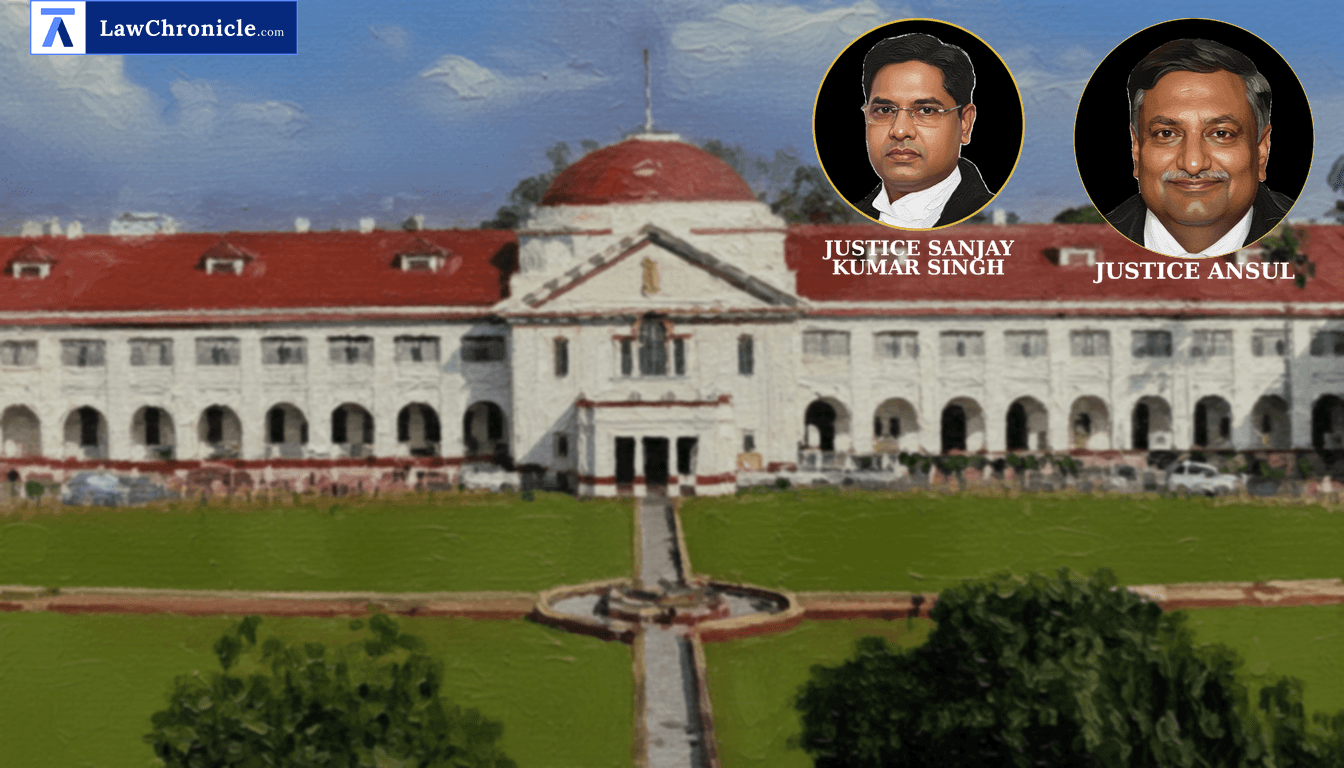
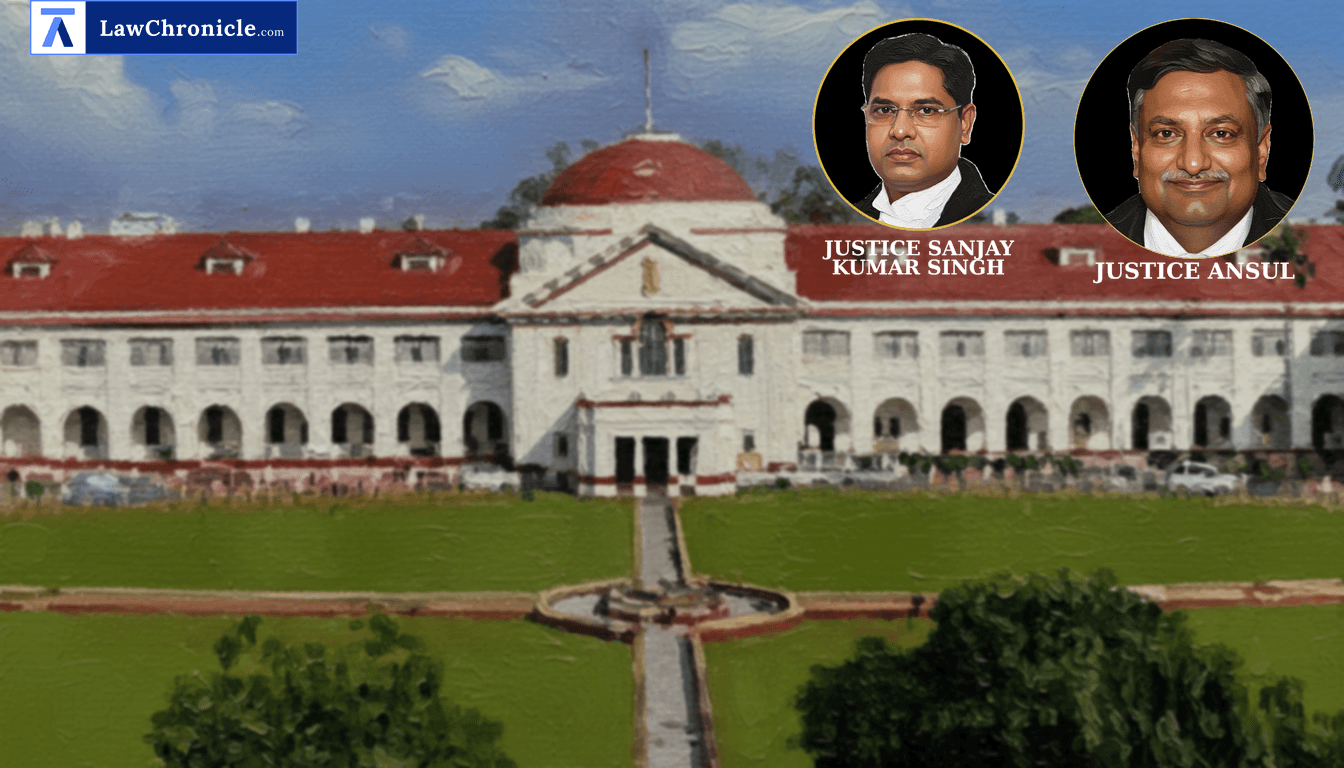
A division bench comprising Justice Sanjay Kumar Singh and Justice Ansul heard the appeal challenging the judgment of conviction dated 24.12.2007 passed by the Ist Additional Sessions Judge, Jamui. The appellants were originally convicted under Section 302/34 of the Indian Penal Code, 1860 and sentenced to life imprisonment following the death of a man during a land dispute.
Key Takeaways
Medical Primacy Over Ocular Variance
Where ocular testimony is fundamentally inconsistent with the forensic nature of injuries, medical evidence must prevail to prevent a miscarriage of justice.
Interested Witness Scrutiny
The testimony of a related witness with a history of enmity requires rigorous corroboration and cannot sustain a conviction if it suffers from material improvements.
Fatal Investigative Lapses
The absence of a site plan, failure to seize weapons, and lack of blood samples at the alleged crime scene weigh heavily in favor of the accused's innocence.
Standard of Sole Witness Testimony
Under Section 134 of the Indian Evidence Act, 1872, a conviction on a single witness's word is only permissible if the evidence is 'wholly reliable' and above reproach.
Irreconcilable Conflict Between Ocular and Medical Evidence
The court observed that while the prosecution claimed the deceased was assaulted with the blunt side (butt) of a Tangi, the postmortem report revealed incised wounds on the forehead and cheek. The Court, in its reasoning, observed: "An incised wound, by its nature, is caused by the sharp edge of a weapon and cannot result from a blow with its blunt side... Where the medical evidence is totally inconsistent with the manner of assault alleged, that inconsistency is a fundamental defect going to the root of the prosecution case."
The Court has the following directions:
"In the result, the appeal is allowed. The judgment of conviction dated 24.12.2007 and the order of sentence dated 02.01.2008 passed by the learned Ist Additional Sessions Judge, Jamui in Sessions Trial No. 47 of 2006 arising out of Sono P.S. Case No. 42 of 2005 is hereby set aside. The appellants, namely, Satyanarayan Yadav, Gopal Yadav and Jhotaha Yadav, are acquitted of the charge under Section 302/34 of the Indian Penal Code and are given the benefit of doubt. The appellants are on bail. They are discharged from liabilities of their bail bonds."
Ratio
A conviction cannot be sustained on the solitary testimony of a related and interested witness if the account contains material improvements that are proved as contradictions under Section 145 of the Indian Evidence Act, 1872. Furthermore, when ocular evidence regarding the weapon's usage is forensically impossible according to medical experts, the medical evidence shall prevail, rendering the prosecution's case doubtful.
Background
The prosecution alleged that on May 14, 2005, the appellants assaulted the deceased with the blunt side of a Tangi due to a pre-existing land dispute. P.W. 11, the informant and brother of the deceased, was the sole eyewitness as nine other witnesses turned hostile. During the trial, the informant improved his version, attributing specific weapons to specific accused persons, a detail absent from his initial statement to the police.
The court relied on Thulia Kali v. State of Tamil Nadu ( "(1972) 3 SCC 393": 1972 CaseBase(SC) 221) to highlight that a Fardbeyan recorded after the inquest has begun cannot be treated as a spontaneous version. It further cited Tahsildar Singh and another v. State of U.P. and Vadivelu Thevar v. State of Madras ( "AIR 1957 SC 614": 1949 CaseBase(RAJ) 19) regarding the necessity of sifting the evidence of a single witness. The bench also referred to Hallu v. State of M.P. ( "(1974) 4 SCC 300": 1974 CaseBase(SC) 400) and Ram Narain Singh v. State of Punjab ( "(1975) 4 SCC 497": 1975 CaseBase(SC) 364) to emphasize that the prosecution failed to clarify why sharp-edged weapons allegedly caused blunt-force injuries. Citing Abdul Wahid and Anr. v. State of Rajasthan ( "2025 INSC 295": 2025 CaseBase(SC) 117), the court noted that the failure to collect blood-stained soil or prepare a site plan significantly weakened the state's case. Consequently, the High Court set aside the trial court's order and acquitted all three appellants.
Case Details:
Case No.: CRIMINAL APPEAL (DB) No.45 of 2008
Case Title: Satyanarayan Yadav & Ors. Versus STATE OF BIHAR
Appearances:
For the Petitioner(s): Mr.Pankaj Kumar Sinha 2, Advocate
For the Respondent(s): Mr.S.C.Mishra App
Source: 2026 CaseBase(PAT) 3298
Similar Articles
 Breaking News


