


Post-Resolution Plan GST Demands On Pre-CIRP Dues Are Legally Untenable: Calcutta HC
 Copy Link
 Share
 Save
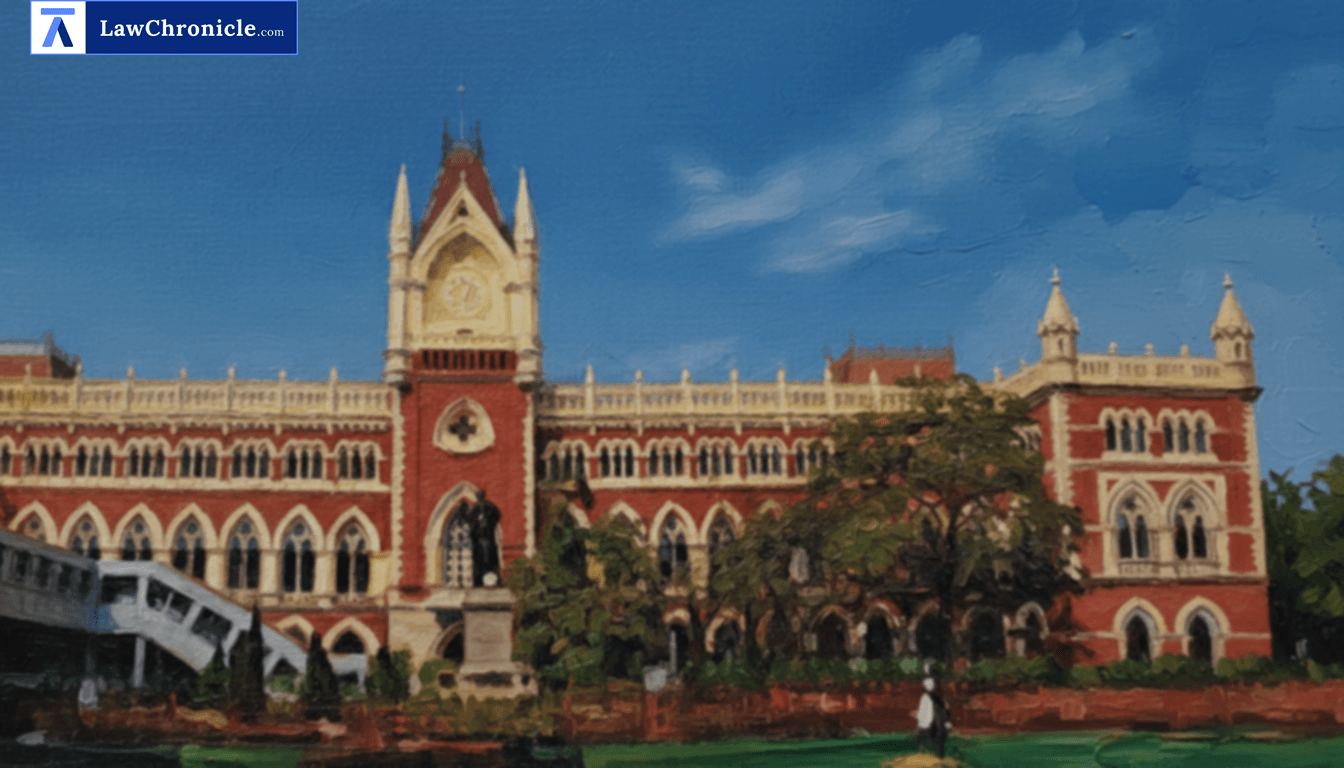
The Calcutta High Court has delivered a definitive blow to tax authorities attempting to resurrect 'extinguished' debts, ruling that the approval of a resolution plan under the Insolvency and Bankruptcy Code, 2016 acts as a total bar against subsequent tax demands for pre-resolution periods. This judgment reinforces the 'fresh slate' principle, ensuring that successful resolution applicants are not ambushed by undecided statutory claims once the corporate insolvency process concludes.
Justice Aryak Dutt presided over the matter, hearing a challenge against a Show Cause-cum-Demand Notice and a subsequent Order-in-Original issued by the Central Goods and Services Tax (CGST) Authority. The Court examined whether the jurisdictional tax office could legally confirm demands for Integrated Goods and Services Tax (IGST), interest, and penalties after the National Company Law Tribunal (NCLT) had already sanctioned a resolution plan for the corporate debtor.
Key Takeaways
Fresh Slate Doctrine Reaffirmed
Successful resolution applicants take over a business on a 'fresh slate,' protected from any 'hydra head' of undecided claims popping up after plan approval.
Statutory Dues Extinguished
Statutory claims not lodged before the Resolution Professional during the CIRP period stand permanently extinguished under Section 31 of the Insolvency and Bankruptcy Code, 2016.
IBC Overrides Tax Statutes
Section 238 of the Insolvency and Bankruptcy Code, 2016 gives it overriding effect over the Central Goods and Services Tax Act, 2017, rendering post-approval tax adjudications for pre-CIRP periods jurisdictional errors.
Writ Jurisdiction vs Alternative Remedy
High Courts can exercise writ jurisdiction despite the existence of an appellate remedy if the statutory authority acts wholly without jurisdiction or in disregard of binding Supreme Court precedents.
Binding Effect of Resolution Plan on Government Authorities
The Court observed that Section 31(1) of the Insolvency and Bankruptcy Code, 2016, following the 2019 amendment, explicitly binds the Central and State Governments to the approved resolution plan. Since the CGST authorities failed to lodge their claims for Financial Year 2021-22 during the moratorium, they cannot subsequently initiate proceedings under Section 73 of the Central Goods and Services Tax Act, 2017.
The Court, in its reasoning, observed: "A successful resolution applicant cannot suddenly be faced with 'undecided' claims after the resolution plan submitted by him has been accepted as this would amount to a hydra head popping up. The demand therefore stood extinguished on 11th August, 2023, and the respondents were not entitled thereafter to initiate any proceedings in respect to it."
Regarding the authorities' attempt to distinguish between 'adjudication' and 'recovery', the Court noted that the initiation of a show cause notice itself constitutes a proceeding that is barred once the claim is extinguished. The Court relied heavily on the principles established in Ghanashyam Mishra & Sons (P) Ltd. v. Edelweiss Asset Reconstruction Co. Ltd. ( "(2021) 9 SCC 657": 2021 CaseBase(SC) 355) and Committee of Creditors of Essar Steel India Ltd. v. Satish Kumar Gupta ( "(2020) 8 SCC 531": 2019 CaseBase(SC) 1428) to set aside the impugned orders.
The Court has following directions:
"The Show Cause-cum-Demand Notice dated 26th September, 2025 with summary in Form GST DRC-01, the Order-in-Original dated 29th December, 2025 and the summary of order in Form GST DRC-07 of even date, and all proceedings taken thereunder, are quashed and set aside. The notice dated 13th January, 2026 demanding interest under Section 50 of the CGST Act for the tax periods July and August, 2021 is also quashed."
Ratio
Once a resolution plan is approved by the Adjudicating Authority under Section 31 of the Insolvency and Bankruptcy Code, 2016, all claims pertaining to the period prior to the approval, which were not part of the plan, stand extinguished. Statutory authorities are thereafter barred from initiating or continuing any proceedings, including adjudication and demand notices, for such extinguished claims, as the Insolvency and Bankruptcy Code, 2016 overrides inconsistent provisions in tax legislations.
Background
The petitioner, an NBFC incorporated under the Companies Act, 1956, was admitted into Corporate Insolvency Resolution Process (CIRP) on October 8, 2021, following an application by the Reserve Bank of India under the Insolvency and Bankruptcy (Insolvency and Liquidation Proceedings of Financial Service Providers and Application to Adjudicating Authority) Rules, 2019. A resolution plan was subsequently approved by the NCLT on August 11, 2023. However, in September 2025, the CGST authorities issued a show-cause notice alleging excess availment of IGST input tax credit for FY 2021-22, leading to an Order-in-Original confirming a demand of over Rs. 1.85 Crores.
The petitioner argued that as no claim was lodged by the GST department during the CIRP, the debt stood extinguished. The respondents relied on Sundaresh Bhatt, Liquidator of ABG Shipyard v. Central Board of Indirect Taxes and Customs ( "(2023) 1 SCC 472": 2022 CaseBase(SC) 992) to argue that tax authorities maintain jurisdiction to 'determine' liability even if recovery is stayed. The Court rejected this, clarifying that while Sundaresh Bhatt, Liquidator of ABG Shipyard v. Central Board of Indirect Taxes and Customs ( "(2023) 1 SCC 472": 2022 CaseBase(SC) 992) dealt with the moratorium period in liquidation, Ghanashyam Mishra & Sons (P) Ltd. v. Edelweiss Asset Reconstruction Co. Ltd. ( "(2021) 9 SCC 657": 2021 CaseBase(SC) 355) governs the finality of an approved resolution plan. Following the logic in Vaibhav Goel v. Deputy Commissioner of Income Tax ( "(2025) 8 SCC 511": 2025 CaseBase(SC) 317) and Ruchi Soya Industries Ltd. v. Union of India, the High Court allowed the writ petition and quashed the demands.
Case Details:
Case No.: WPA No. 6268 of 2026
Neutral Citation: 2026:CHC-AS:1689
Case Title: SREI Equipment Finance Limited Vs. Union of India & Ors.
Appearances:
For the Petitioner(s): Mr. Avra Mazumder, Ms. Alisha Das, Ms. Sreeja Mukherjee, Ms. Rupomita Ghosh, Ms. Saakshi Shaw, Mr. Suman Bhowmik, Ms. Elina Dey, Mr. Gaurav Gupta, Advocates.
For the Respondent(s): Mr. Uday Sankar Bhattacharya, Mr. Kaustav Kanti Maitri, Ms. Banani Bhattacharya, Advocates.
Source: 2026 CaseBase(CAL) 2924
Similar Articles
 Breaking News


