Rajasthan HC Affirms Equal Pay For Equal Work For Lekha Sahayaks
 Copy Link
 Share
 Save
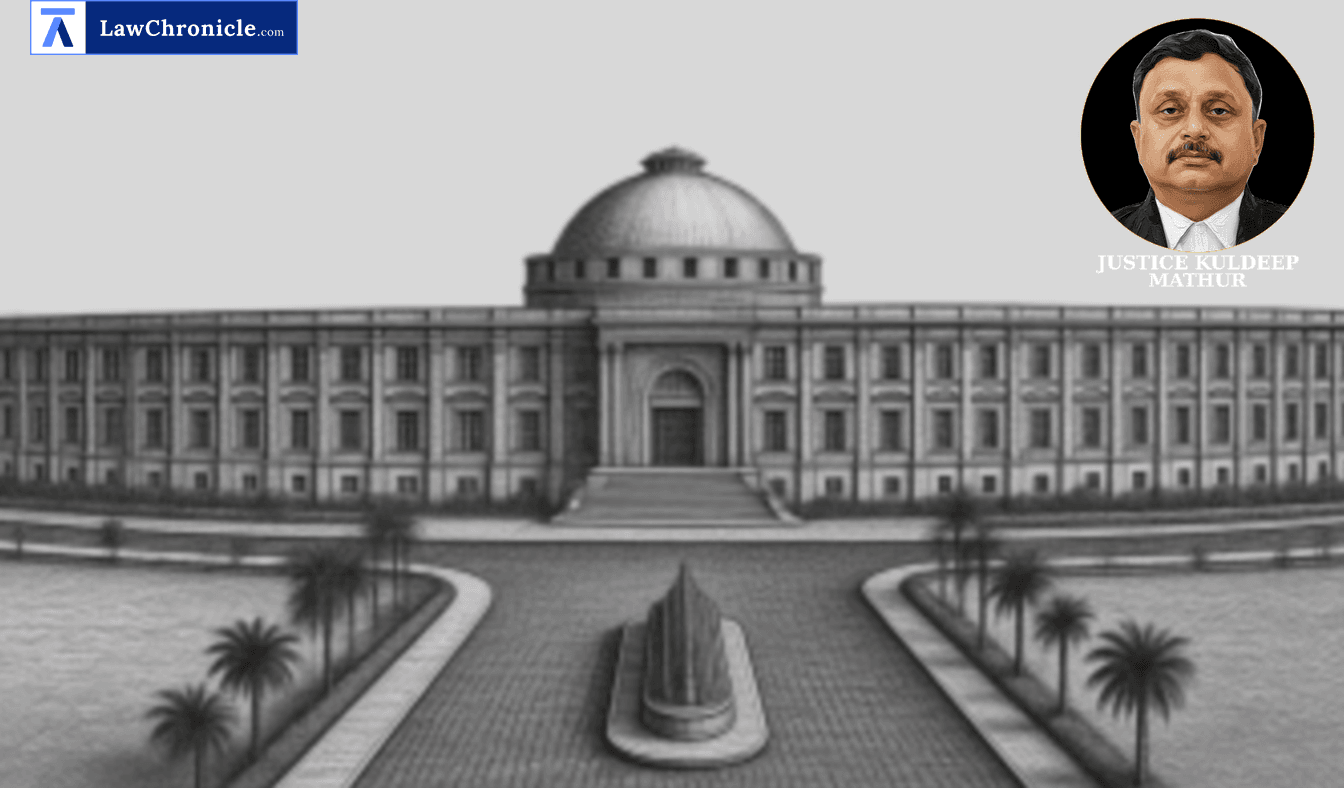
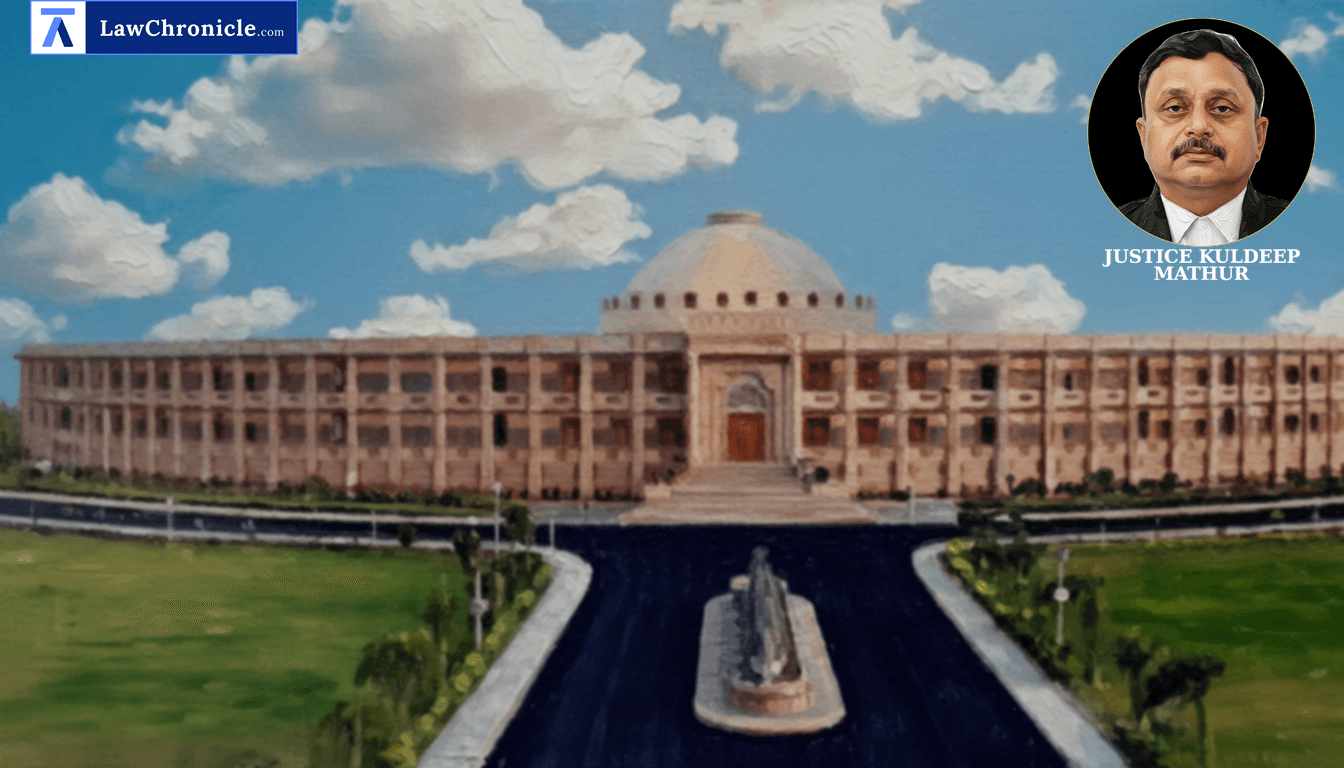
The Rajasthan High Court has reinforced the constitutional mandate of pay parity, directing the State to grant the minimum of regular pay scales to contractual Lekha Sahayaks performing duties identical to regular Junior Accountants. Justice Kuldeep Mathur heard the writ petition filed by contractual employees working as Lekha Sahayaks under the Mahatma Gandhi National Rural Employment Guarantee scheme. The petitioners sought the benefit of the minimum of Level-10 of the Rajasthan Government Pay Matrix, corresponding to the regular post of Junior Accountant, invoking the doctrine of 'Equal Pay for Equal Work'.
Key Takeaways
End to Wage Discrimination
Contractual staff performing duties equivalent to regular posts are entitled to the minimum of the corresponding regular pay scale, preventing exploitative wage structures.
Nature of Work Primacy
Courts will look at the actual responsibilities assigned by the employer rather than just formal designations or employment types to determine pay parity.
Limited Regularization Claims
Granting the minimum pay scale does not automatically confer the right to regularization or status as a regular government employee.
Precedential Binding
State authorities are now mandated to apply existing Division Bench rulings on pay parity to all similarly situated employees without forcing repetitive litigation.
Judicial Scrutiny of Pay Parity
During the proceedings, the counsel for the petitioners submitted that the controversy was no longer res integra and was squarely covered by the Division Bench judgment in State of Rajasthan & Ors. v. Dinesh Kumar Choudhary & Ors.. The Rajasthan High Court examined the precedent where the State's challenge against such parity was dismissed, noting that the State often fails to prove any disparity in the nature of work between contractual and regular cadres.
The Rajasthan High Court highlighted that "This Court notices that the learned Single Judge has merely directed placement of the respondents in the minimum of the regular pay scale and not directed grant of extension of the said pay scales. Neither in the reply to the writ petition nor even in the grounds has the appellant State elaborated as to the precise nature of responsibilities and whether the employment is interchangeable. Often it happens that in a regular cadre in respect of the same posts, different sets of responsibilities are assigned by the employer to the concerned officer or employees in the same cadre or grade. This does not per se show or prove disparity in the nature of the work; rather manner in which the work is taken from employee is entirely in the control of the employer."
The Bench directed the respondents to apply the ratio laid down by Rajasthan High Court Division Bench in State of Rajasthan & Ors. v. Dinesh Kumar Choudhary & Ors. to extend the benefit of equal pay/minimum pay scale (at the lowest grade in the regular pay scale) to the petitioners from their initial date of appointment in the Department.
Ratio
Contractual employees are entitled to the minimum of the regular pay scale applicable to corresponding regular posts if the nature of their work and responsibilities are identical, based on the principle of 'Equal Pay for Equal Work' under the Constitution of India, regardless of the temporary nature of their appointment.
Background
The petitioners were employed as Lekha Sahayaks under the MGNREGA program (now Viksit Bharat Guarantee For Rozgar And Ajeevika Mission). They approached the High Court seeking a declaration that they are entitled to the minimum of the regular pay scale of Junior Accountants. The State had previously contested such claims by arguing that job responsibilities must be identical and not just similar. However, following the principles laid down in Parin Rawal vs. State of Rajasthan & Ors. and State of Punjab vs. Jagjeet Singh, the Rajasthan High Court found that the State failed to demonstrate any functional difference between the petitioners' roles and the regular cadre. Consequently, the Court disposed of the writ petition, directing the respondents to grant the financial benefits from the date of initial appointment.
Case Details:
Case No.: S.B. Civil Writ Petition No. 26715/2026
Neutral Citation: 2026:RJ-JD:53750
Case Title: Manish & Ors. v. State of Rajasthan & Ors.
Appearances:
For the Petitioner(s): Mr. Om Rajpurohit, Mr. Shadab Khan
Source: 2026 CaseBase(RAJ) 30791
Similar Articles
 Breaking News