


Settlement Talks For Property Disputes Do Not Constitute Extortion: Bombay HC
 Copy Link
 Share
 Save
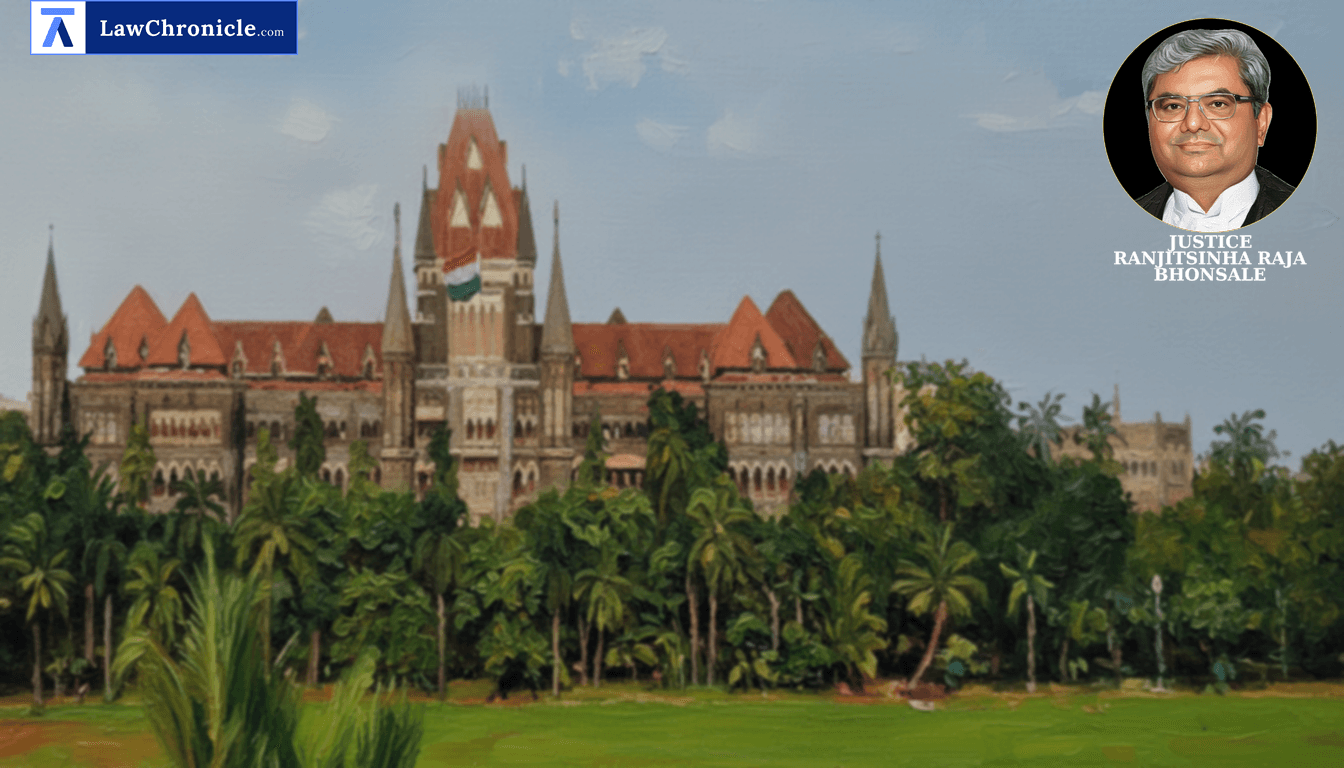
The Bombay High Court shielded flat purchasers from criminal prosecution by holding that high compensation demands during settlement negotiations for construction defects do not amount to extortion under the law. The Court quashed an FIR against seven residents, emphasizing that pursuing legal remedies as an alternative to settlement is a legitimate exercise of rights and not a form of criminal intimidation.
Justice Ranjitsinha Raja Bhonsale heard the application filed under Section 482 of the Code of Criminal Procedure (corresponding to Section 528 of the Bharatiya Nagarik Suraksha Sanhita, 2023) seeking to quash criminal proceedings for alleged extortion. The dispute originated from grievances raised by flat owners against a real estate developer regarding amenities and construction deviations.
Key Takeaways
Legitimacy of Settlement Proposals
Negotiations and demands for compensation in property disputes, even if perceived as high, do not satisfy the ingredients of extortion unless accompanied by intentional injury.
Litigation as a Legal Right
Stating that pending legal proceedings will be pursued if a settlement is not reached cannot be termed as a criminal threat or extortion.
Threshold for Section 385 IPC
To attract the offence of putting a person in fear of injury for extortion, the threat must be of such gravity that it mentally unsettles the person and takes away voluntary consent.
Judicial Scrutiny of Vexatious FIRs
Courts have a duty to look behind well-drafted FIRs to detect if the criminal machinery is being misused for personal vengeance or to suppress civil litigation.
Distinction Between Negotiations and Extortion
The Bombay High Court scrutinized the definition of extortion under Section 383 of the Indian Penal Code, 1860 (now Section 308 of the Bharatiya Nyaya Sanhita, 2023). It observed that the fundamental requirements are intentionally putting a person in fear of injury and dishonestly inducing the delivery of property. The Bench noted that in the present case, the parties were engaged in a litigation history involving the State Consumer Disputes Redressal Commission and civil suits under Section 34 of the Specific Reliefs Act.
Justice Bhonsale examined transcripts of meetings held between the flat owners and the developer, finding that the conversations reflected a "healthy discussion" regarding deficiencies in the building and proposed construction of a new wing. The Bombay High Court rejected the developer's argument that a demand of Rs 1.75 Crore (Rs 25 Lakhs per flat owner) constituted extortion, holding that the quantum of money alone does not define the offence. The Bench expressed that "A general and bald statement, that a pending litigation shall be pursued and proceeded in accordance with law and the consequent adverse orders, if any, may cause hindrance or obstacles cannot be termed as extortion of threat. Persuing litigation in accordance with law in the alternative to a settlement cannot be perceived as an act of extortion."
Adherence to Precedents on Quashing
The Respondent-State and the complainant relied on State of Haryana Vs. Bhajan Lal to argue against quashing, but the Court found the case fell within the categories of "manifestly attended with mala fide" and "maliciously instituted." The Bombay High Court also referred to Anand Kumar Mohatta v. State (NCT of Delhi) to affirm that the filing of a chargesheet does not restrict the High Court’s power under Section 482 of the Code of Criminal Procedure to prevent the abuse of the process of law. Further, the Court applied the principles from Moh. Wajid And Anr. Vs. State of Uttar Pradesh And Ors. regarding the duty of the Court to read between the lines in potentially frivolous proceedings.
Ratio
Extortion requires an intentional threat of such intensity that it unsettles a person's free will; a demand for compensation during settlement talks, coupled with the alternative of pursuing legal remedies, does not constitute a criminal offence under Section 385 of the IPC. The High Court's inherent power to quash proceedings is not curtailed by the filing of a chargesheet if the allegations are inherently improbable or maliciously motivated.
Background
The applicants were flat purchasers in "Mohak House No. 3" at Virar, who had raised concerns regarding the non-registration of their society, lack of conveyance, and building maintenance. They had successfully obtained an interim order from the Consumer Commission restraining the developer from further construction. The developer alleged that during two meetings in May and June 2017, the residents demanded Rs 25 Lakhs each to withdraw their complaints, failing which they would create more "trouble."
The Bombay High Court found that the developer’s own transcripts showed a coherent dialogue and negotiation, rather than intimidation. It concluded that the FIR was a "counter-blast" intended to arm-twist the residents into giving up their legal fight. Consequently, the Bombay High Court allowed the application and quashed the FIR and the resultant chargesheet.
Case Details:
Case No.: CRIMINAL APPLICATION NO. 722 OF 2017
Neutral Citation: 2026:BHC-AS:39640-DB
Case Title: Pawan Subhash Sarkale & Ors. V/s. State of Maharashtra & Anr.
Appearances:
For the Petitioner(s): Mr. Amit Ghag, Advocate
For the Respondent(s): Mr. Tanveer Khan, APP for State; Mr. A. R. Gole, Advocate for Respondent No. 2
Source: 2026 CaseBase(BOM) 6508
Similar Articles



 Breaking News


