


Students Have No Absolute Right To Indefinitely Extend Span Of Degree: Chhattisgarh HC
 Copy Link
 Share
 Save
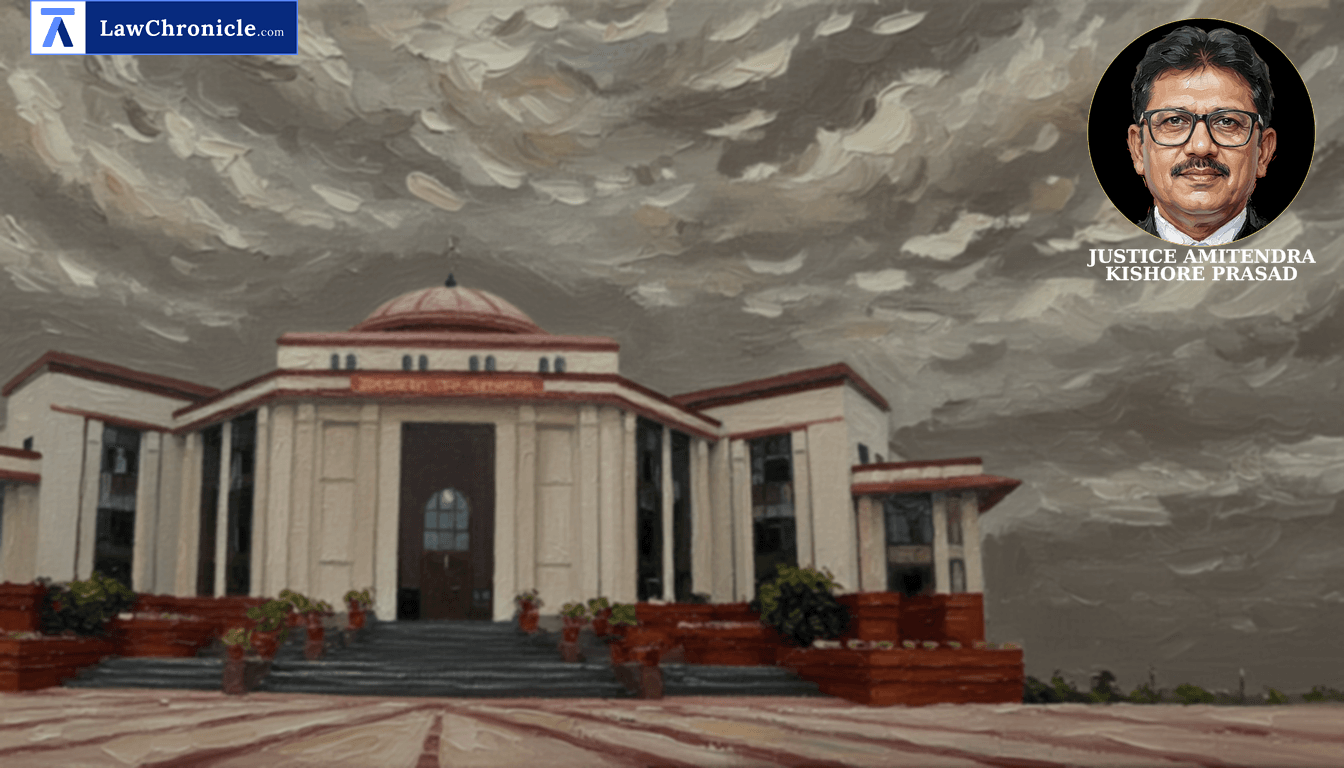
Students cannot claim an indefinite or unlimited timeframe to complete an educational course in contravention of prescribed university rules, as blocking seats indefinitely prejudices incoming students and damages academic standards. The High Court of Chhattisgarh has affirmed that autonomous universities are fully empowered to enforce maximum span periods for degree completion and refuse further examination attempts to candidates exceeding statutory limits.
A single-judge bench of Justice Amitendra Kishore Prasad dismissed a writ petition filed by students seeking permission to clear their remaining papers for the Bachelor of Physiotherapy (B.P.T.) course nearly two decades after their initial admission.
Key Takeaways
No Inherent Right to Indefinite Study: Enrolled students cannot demand an endless duration or lack of span period to complete their educational degrees.
Preservation of Educational Capacity: Unlimited timeframes block seats, resources, and facilities to the detriment of new eligible aspirants in subsequent years.
University Autonomy Upheld: Statutory universities possess full authority to enforce maximum time limits, typically double the standard course duration, for clearing backlog papers.
Strict Adherence to Ordinances: Administrative and examination orders strictly enforcing governing academic ordinances do not suffer from arbitrariness or procedural impropriety.
Court's Analysis on University Authority and Span Limits
The High Court observed that the petitioners were provided adequate opportunities in terms of the applicable regulations and failed to clear their backlogs within the double-duration maximum limit. The Court, in its reasoning, observed: "...the petitioners were admitted to and appeared in the Bachelor of Physiotherapy (B.P.T.) course under Pt. Ravishankar Shukla University, Raipur. However, despite being afforded sufficient opportunities and even after the maximum span period prescribed for completion of the course, they failed to successfully clear the remaining examinations. As per Ordinance No. 133 of Pt. Ravishankar Shukla University, the duration of the B.P.T. course is four years followed by the prescribed internship, whereas Ordinance No. 16 of Pt. Deendayal Upadhyay Memorial Health Sciences and Ayush University prescribes a maximum span period of eight years, i.e., twice the normal duration of the course, for its completion. Admittedly, the petitioners were unable to complete the course even within the aforesaid extended period... Since the petitioners failed to complete the course within the maximum prescribed period, the respondent authorities were fully justified in declining their request for any further opportunity and in taking consequential action in accordance with the governing statutory provisions."
The Court relied upon Division Bench decisions of the Delhi High Court in Amit Kumar vs. Delhi University & Another and Awadesh Kumar vs. Delhi University, which established that students are bound by university rules and cannot claim any inherent right to an indefinite period for clearing examinations.
Ratio
Students admitted to an educational program do not possess a legal or enforceable right to complete the course beyond the maximum span period prescribed by the university's statutory ordinances. Universities act within their legal authority when enforcing maximum time limits for degree completion, and judicial interference under Article 226 of the Constitution of India is uncalled for when students fail to qualify within such extended periods.
Background
The petitioners gained admission to the four-year Bachelor of Physiotherapy (B.P.T.) course under Pt. Ravi Shankar Shukla University in the 2005 academic session. Subsequently, following the enactment of the Pt. Deendayal Upadhyay Memorial Health Sciences and Ayush University of Chhattisgarh Act, 2008, the petitioners were transferred to Pt. Deendayal Upadhyay Memorial Health Sciences and Ayush University. Despite over 15 to 20 years having passed since their initial enrollment, the petitioners had failed to clear a few remaining final-semester papers.
The respondent University issued an order dated 05.08.2021 (consequent to an order dated 08.07.2021), restricting students who had completed eight years of the course or who were admitted prior to 2013-14 from appearing in further examinations, fixing the July-August 2021 session as their final opportunity. The petitioners challenged this directive before the High Court under Article 226 of the Constitution of India, contending that initial admission rules contained no outer time limit and that executive orders could not amend statutory ordinances.
The respondent University argued that Ordinance No. 16 allowed a maximum span period of eight years (double the course length), aligned with UGC guidelines, and that petitioners could not claim an unlimited timeframe to occupy academic standing. Accepting the respondents' contention and applying settled precedents, the High Court held that the petitioners established no legal right warranting relief and dismissed the petition.
Case Details:
Case No.: WPC No. 3818 of 2022
Neutral Citation: 2026:CGHC:35786
Case Title: Dhaniram Meshram S/o Shri Radheshyam Meshram And Others v. State Of Chhattisgarh And Others
Appearances:
For the Petitioner(s): Ms. Priyanka Rai, Advocate.
For the Respondent(s): Mr. S. S. Choubey, G.A., Mr. Ajay Kumar Dwivedi, Advocate, Ms. Deeksha Pandey, Advocate on behalf of Mr. Neeraj Choubey, Advocate.
Source: 2026 CaseBase(CTH) 10465
Similar Articles
 Breaking News


