


Substantive Rights Outweigh Procedural Lapses: Madhya Pradesh HC Condones Appeal Delay
 Copy Link
 Share
 Save
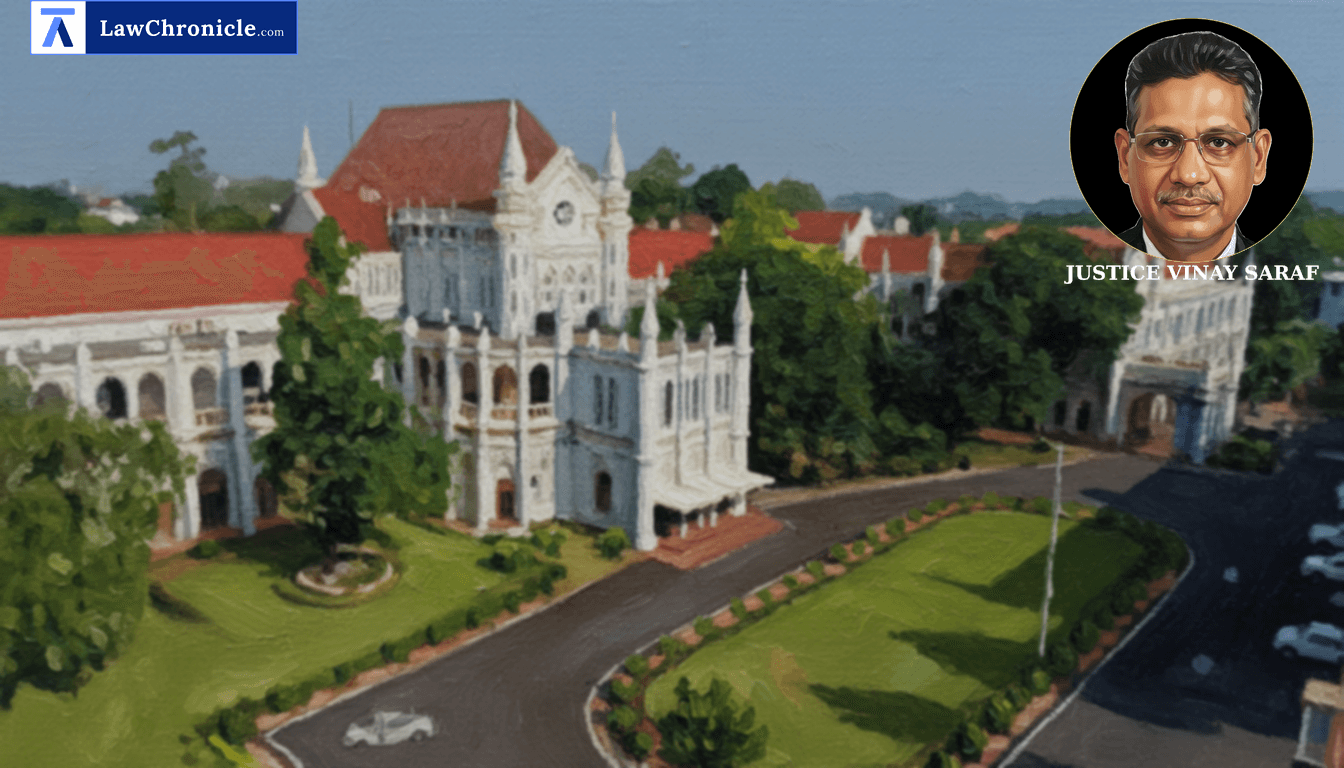
Prioritizing the adjudication of valuable property rights over technical defaults, the Madhya Pradesh High Court has ruled that a delay in filing an appeal must be condoned when litigants, particularly rustic villagers, are hindered by medical emergencies and bona fide settlement attempts. The decision underscores the judicial shift towards a liberal interpretation of 'sufficient cause', ensuring that meritorious disputes are not scuttled at the threshold of limitation.
Justice Vinay Saraf, presiding over the Second Appeal, set aside a lower court order that had refused to condone a 221-day delay. The Court emphasized that when substantial rights are involved, the judiciary should adopt a pragmatic approach rather than a pedantic one, especially when the parties are engaged in domestic medical crises.
Key Takeaways
Merits Over Technicalities
Courts must ensure that valuable rights of parties are not extinguished solely due to procedural delays if the merits of the case warrant examination.
Liberal Interpretation of Limitation
Following Supreme Court mandates, the term 'sufficient cause' under Section 5 of the Limitation Act must be interpreted liberally to promote substantial justice.
Contextualizing Litigant Background
The socio-economic status of litigants, such as being 'rustic villagers' unfamiliar with complex legal procedures, is a vital factor in determining the presence of negligence or due diligence.
Impact of Medical Emergencies
Documented hospitalization and surgeries of family members constitute valid grounds for delay, as litigants cannot be expected to prioritize litigation over life-saving care.
Court Rebukes Rigid Application of Limitation Laws
The High Court observed that the First Appellate Court failed to recognize the gravity of the medical situation presented by the appellants. The record indicated that the husband of one of the appellants had undergone multiple surgeries during the limitation period. The Court held that such circumstances naturally prevent a party from engaging with legal counsel.
Furthermore, the Court noted the familial relationship between the parties real brothers and sisters which lent credibility to the appellants' claim that they were awaiting an amicable settlement. The Court, in its reasoning, observed: "The First Appellate Court has failed to deal with the settled position of law that 'sufficient cause' means that the party should not have acted in a negligent manner or failed to exercise due diligence... Delay cannot be condoned without sufficient cause, but a major aspect which has to be kept in mind is that, if in a particular case, the merits have to be examined, it should not be scuttled merely on the basis of limitation."
The Court cited the principles laid down in Sheo Raj Singh Vs. Union of India and Pathapati Subba Reddy Vs. Special Deputy Collector to reiterate that while discretion to condone delay is not absolute, it should be exercised in favor of justice where no gross negligence or lack of bona fides is evident.
The Court has following directions:
"The delay occurred in filing the First Appeal is hereby condoned. Order dated 14/10/2025 passed by I District Judge, West Nimar, Mandleshwar in UNCIV/34/2025 is hereby set aside. The matter is remanded back to the First Appellate Court for consideration of the appeal on merits. Parties will appear before the First Appellate Court on 12/10/2026."
Ratio
Procedural limitation laws are meant to facilitate justice, not to trap litigants. A delay of 221 days is not 'inordinate' when balanced against the need to resolve property disputes on merits, particularly when the delay is caused by documented medical emergencies and the litigants belong to a rural background with limited legal literacy.
Background
The dispute originated from a suit for declaration, partition, and permanent injunction regarding several agricultural lands and a house, which the plaintiffs (respondents) claimed were inherited from their mother, Punibai. The Trial Court decreed the suit in favor of the plaintiffs on November 30, 2024, declaring mutations in favor of the defendants (appellants) as illegal.
The defendants preferred the First Appeal on July 9, 2025, with an application under Section 5 of the Limitation Act, citing a 221-day delay. They argued that the hospitalization of a family member and ongoing settlement talks prevented a timely filing. The First Appellate Court dismissed the application, leading to the current Second Appeal. The High Court, finding the First Appellate Court's approach too rigid, allowed the appeal and directed the lower court to hear the matter on its merits.
Case Details:
Case No.: SECOND APPEAL No. 3113 of 2025
Neutral Citation: 2026:MPHC-IND:27635
Case Title: SUBHASH AND OTHERS Versus SURAJBAI AND OTHERS
Appearances:
For the Petitioner(s): Mr. Ajay Jain - Advocate
For the Respondent(s): Ms. Shivani Patel - Advocate for respondents No. 1 to 3; Mr. Ayushyaman Choudhari - Govt. Advocate for the respondent No. 4 / State
Source: 2026 CaseBase(MP) 25517
 Breaking News


