


No Mandatory Oral Enquiry Required for Condoning Delay: Karnataka HC
 Copy Link
 Share
 Save
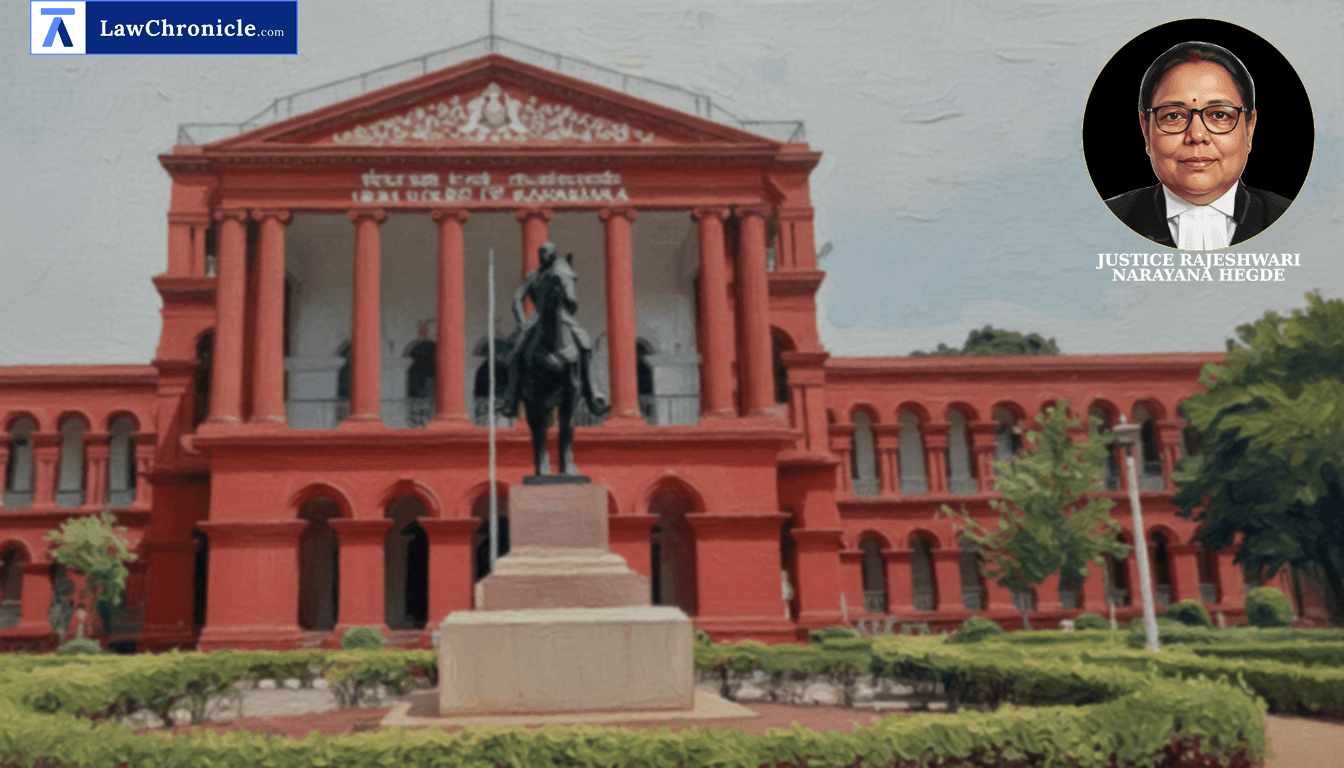
The Karnataka High Court has clarified that a formal evidentiary enquiry is not a mandatory prerequisite for deciding applications seeking condonation of delay, upholding the dismissal of an appeal filed after a four-year hiatus. This ruling reinforces that while judicial consideration of 'sufficient cause' is obligatory, courts possess the discretion to adjudicate limitation issues based on affidavits and records without conducting a trial-like oral hearing.
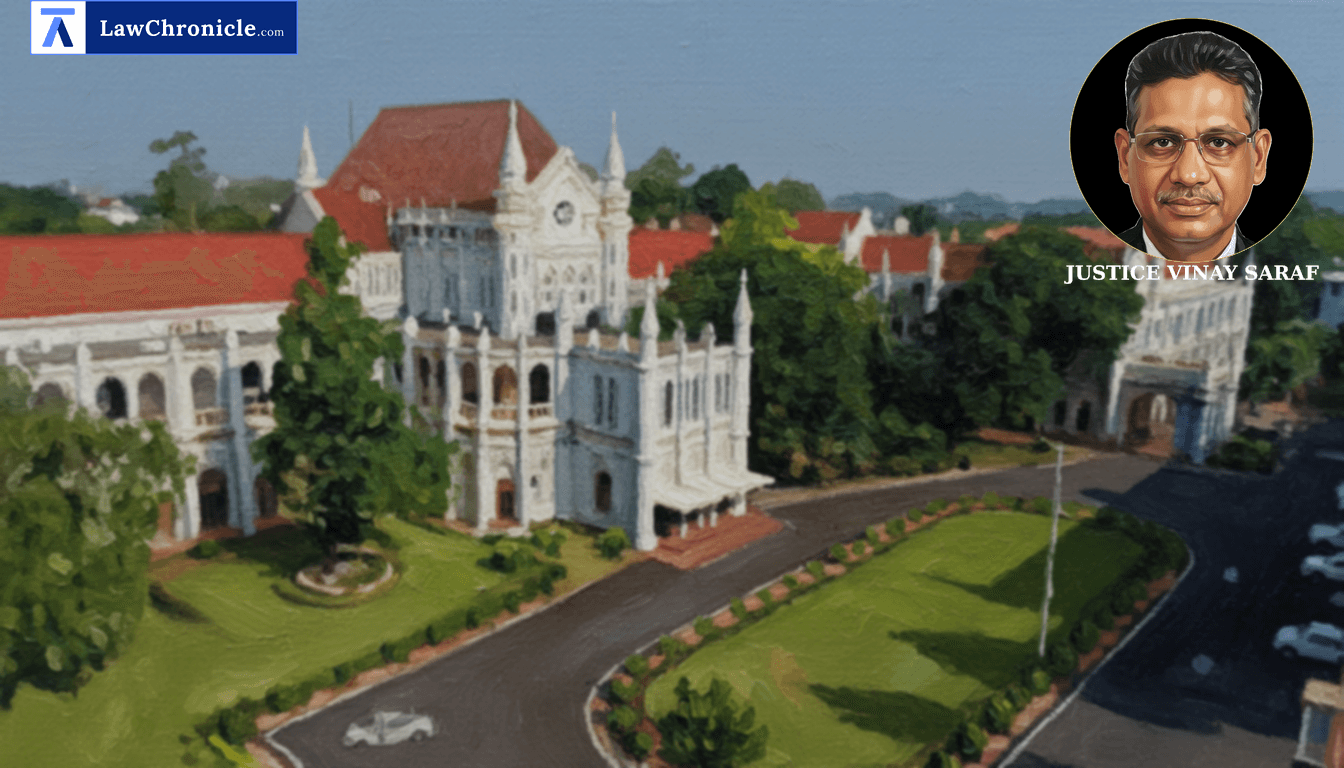
In a proceeding presided over by Justice Rajeshwari N. Hegde, the Court examined a second appeal filed by defendants aggrieved by the concurrent findings of the lower courts in a suit for specific performance. The primary legal challenge centered on whether the First Appellate Court erred in dismissing their appeal as time-barred without holding a formal enquiry into the application for condonation of delay.
Key Takeaways
Discretionary Procedural Conduct
Courts are not bound to conduct oral examinations or trials for every miscellaneous application, allowing for more efficient judicial management of limitation disputes.
Precedence of Substantial Justice
While technicalities should not defeat substantive rights, litigants must provide a credible and 'sufficient cause' to justify inordinate delays in approaching the court.
Execution as Notice
Knowledge of a decree through subsequent execution proceedings can be used to negate claims of ignorance, preventing litigants from using procedural delays as a tool for harassment.
First Appellate Court Discretion Under CPC
The Court observed that the procedural framework for appeals filed after the limitation period is governed by Order XLI Rule 3-A of the Code of Civil Procedure, 1908. The Bench noted that the provision mandates an application supported by an affidavit but does not explicitly dictate a formal oral enquiry.
The Court, in its reasoning, observed: "The provision does not, by itself, mandate that a formal oral enquiry must be conducted in every case before deciding such an application. The Court is required to consider the explanation offered by the appellant and the material available on record, including the objections raised by the opposite party, and determine whether sufficient cause has been shown."
No Manifest Error in Summary Rejection
Addressing the appellants' contention that they were deprived of a chance to lead evidence, the High Court held that if the existing record allows for a judicial conclusion, a separate trial for delay is unnecessary. The Court has following directions:
"The appeal is dismissed. The judgment and decree dated 03.03.2009 passed by the learned Civil Judge (Senior Division), Hukkeri, in Regular Appeal No.08/2006, and the judgment and decree dated 24.11.2001 passed by the learned Civil Judge (Junior Division), Sankeshwar, in O.S. No.594/1997 is hereby confirmed. The parties to bear their own costs. Office is directed to send back the records along with a copy of this judgment."
Ratio
Order XLI Rule 3-A of the Code of Civil Procedure, 1908 does not mandate a formal oral enquiry involving the recording of oral evidence in every application seeking condonation of delay. If the affidavit and material on record enable the Court to determine the existence of 'sufficient cause' under Section 5 of the Limitation Act, 1963, the Court may decide the application without a formal evidentiary trial.
Background
The dispute originated from a suit for specific performance filed by the plaintiff regarding an agreement of sale dated August 3, 1992. The Trial Court decreed the suit in 2001, directing the defendants to execute the sale deed. The defendants, however, failed to challenge this decree for over four years, during which time the plaintiff successfully initiated execution proceedings and obtained a registered sale deed through a Court Commissioner.
When the defendants finally approached the First Appellate Court in 2006, their appeal was dismissed for a delay of 4 years and 22 days. They relied on Rangappa and Others v. Nagappa and Others to argue that substantive justice should prevail over technicalities and cited Collector, Land Acquisition, Anantnag and Another v. Katiji and Others to advocate for a liberal approach to Section 5 of the Limitation Act, 1963. Further, they referenced Holya Lasha Mahale and another vs. Raghunath Holya Mahale, Chandrakant Somnath Melge vs. Balasaheb Somnath Melge ( "2017(3) Mh.L.J 668": 2017 CaseBase(BOM) 967), and Amar Singh S/o.Harisingh Thakur vs. Tulshiram S/o.Kisan Ingle and others to argue that delay applications require evidentiary hearings. Conversely, the respondent relied on Smt. Philomina Lourdamary and Another v. Smt. Latha to emphasize that unsatisfactorily explained delays cannot be condoned. The High Court ultimately found no prejudice in the First Appellate Court's summary dismissal, noting the defendants had full knowledge of the execution proceedings yet remained inactive.
Case Details:
Case No.: RSA.5093 of 2010
Case Title: Sri. Adiveppa Aparai Kamate Since Died Represented by his LRs v. Shivappa Gurappa Talikoti
Appearances:
For the Petitioner(s): Sri. Shivaraj P. Mudhol, Advocate
For the Respondent(s): Sri. Dinesh M. Kulkarni, Advocate
Source: 2026 CaseBase(KAR) 21690
Similar Articles
 Breaking News


