Supreme Court Restores Mother’s Custody After Child Psych Reports; Grants Graduated Visitation To Father
 Copy Link
 Share
 Save
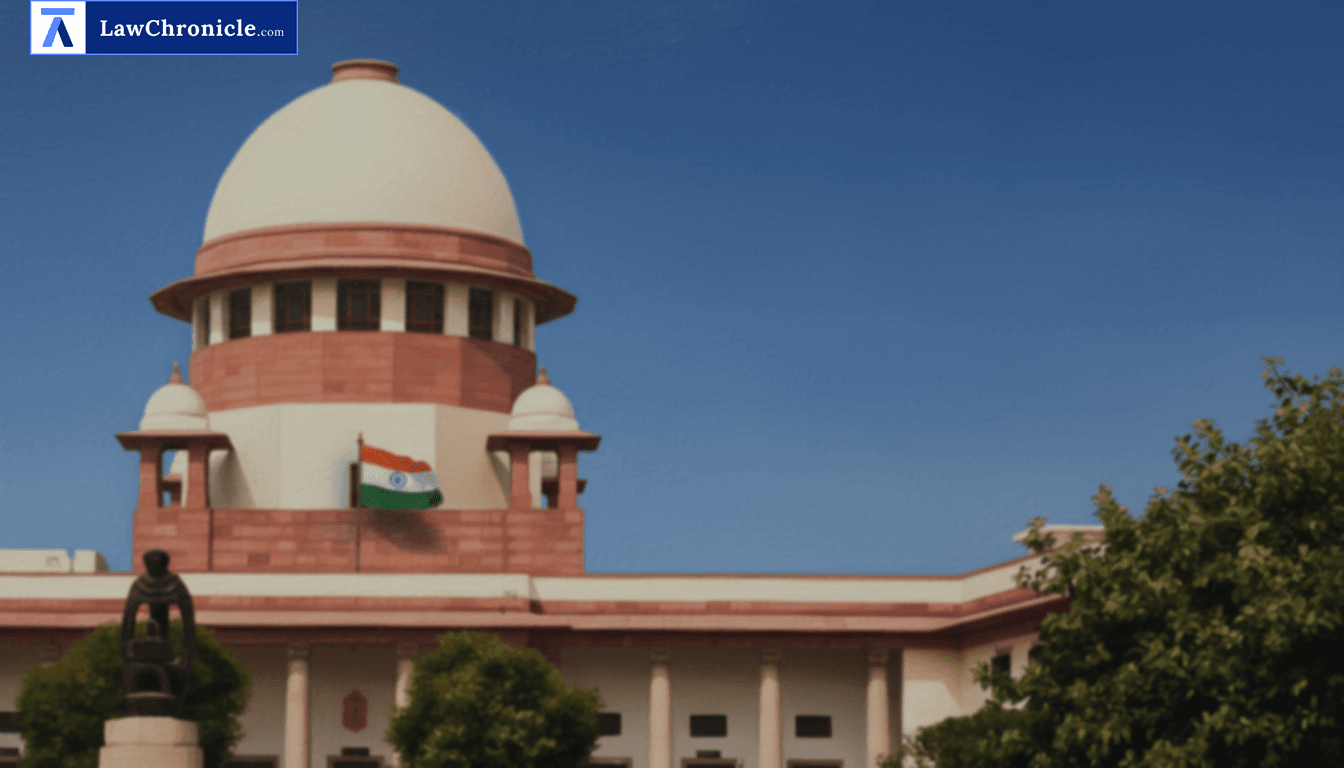
A bench of Justices Vikram Nath and Prasanna B. Varale heard review petitions filed against this Court’s dismissal of appeals that had assailed a Kerala High Court order transferring permanent custody of an 11–12 year old to the father. The petitions challenged the earlier dismissal on the ground of fresh material indicating severe psychological distress to the child following the prospect of separation from his mother.
The Court allowed the review, recalled its order dated 22.08.2024, restored and allowed Civil Appeal Nos. 5395–5396 of 2024, set aside the High Court order of 17.10.2023 and held that permanent custody should remain with the mother while providing structured visitation to the father. The Court emphasized that the “paramount consideration” was the child’s welfare and that post-judgment developments constituted fresh evidence warranting review. The Court, in its reasoning, observed: “Therefore, in light of the facts and circumstances of the case, we firmly believe that permanent custody of the minor child should remain with the petitioner‑mother. However, the respondent‑father’s intention and efforts to become actively involved in his child’s life cannot be ignored and he needs to be given a material opportunity to develop a connection with his minor son. It shall be done in the form of granting him visitation rights, and such visitation rights will provide the child with a space to start being at ease in his father’s presence at a comfortable pace, as opposed to an immediate transition in custody.” The Court also warned parties to prioritise the child’s emotional needs and cautioned the father against making threatening remarks.
Background The marriage between Neethu B. (petitioner) and Rajesh Kumar (respondent) was solemnised in 2011 and a son was born in November 2012. The spouses separated in October 2013 and executed a mutual divorce agreement in 2014 under which the mother retained custody and the father received limited visitation. The mother remarried in 2016 and later sought to relocate with the child to Malaysia where her husband had employment; the father alleged he was kept unaware of the child’s whereabouts between 2016–2019 and that the child’s religion had been changed without his consent.
The father filed a custody petition in 2020. The Family Court (31.10.2022) granted permanent custody to the mother but allowed certain visitation and foreign travel on holidays. The High Court, on appeal, granted permanent custody to the father and modified visitation to virtual interactions and physical visits during school holidays. The mother obtained special leave; this Court dismissed the appeals on 22.08.2024. Thereafter the mother filed review petitions relying on fresh clinical-psychology reports from CMC Vellore dated 03.09.2024 and subsequent assessments (19.10.2024, 07.01.2025, 29.03.2025) which indicated significant anxiety and a high risk of separation anxiety disorder in the child attributable to the prospect of losing contact with his primary caregiver.
Applying settled principles limiting review relief, the Court held that the post-judgment clinical reports constituted new material satisfying the “triple test” (capable of changing the result; not available earlier; could not have been produced with due diligence). The Court reiterated that custody decisions were governed by the child’s best interests and required sensitivity to emotional and developmental needs. Concluding that the child’s normative universe centred on his mother, stepfather and younger half‑sibling and that abrupt transfer would be harmful, the Court restored custody to the mother but fashioned a graduated regime to build father–son bonding. The Court directed continued psychological counselling, a re‑assessment at CMC Vellore within three months, prohibition on changing the child’s residence outside India except for limited holiday travel (Onam, Christmas and half the summer vacation), and detailed notice requirements for any foreign travel. The father was denied overnight stays for the present but allowed virtual contact twice weekly (30 minutes each) and one full-day in‑person visit each weekend from 10 a.m. to 5 p.m., subject to future modification if psychological reports showed positive developments.
Case Details: Case No.: R.P. (C) Nos. 2273-2274/2024 in Civil Appeal Nos. 5395-5396 of 2024 (2025 INSC 853) Case Title: Neethu B. @ Neethu Baby Mathew v. Rajesh Kumar Appearances: For the Petitioner(s): Ms. Liz Mathew, Senior Counsel For the Respondent(s): Ms. Kiran Suri, Senior Counsel
Similar Articles

 Breaking News