Telecommunications Right‑of‑Way Rules Govern Pole‑rental Charges; High Court Caps Recurring Rent at Rs.100 Per Pole
 Copy Link
 Share
 Save
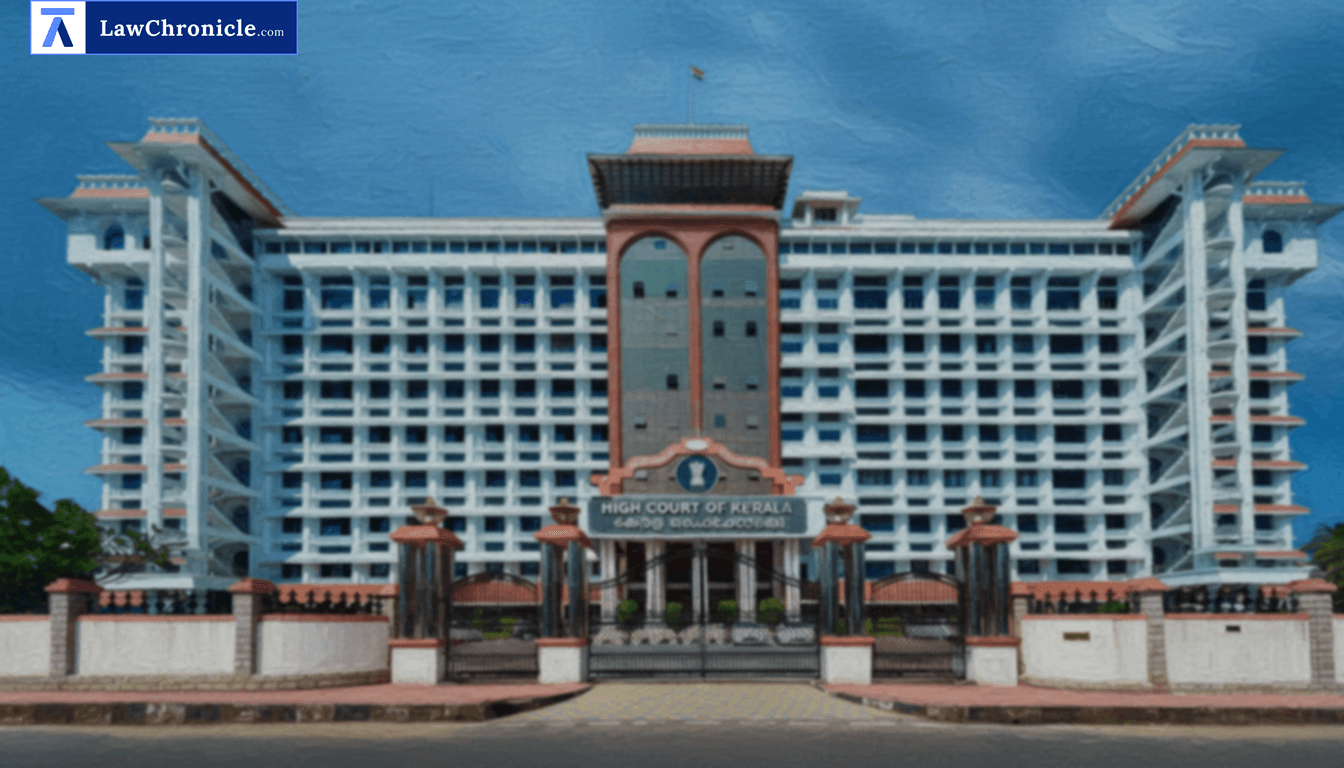
A bench of Justice Mohammed Nias C.P. of the Kerala High Court heard a cluster of writ petitions by cable‑TV and wired‑internet operators challenging demand notices issued by the Kerala State Electricity Board Ltd. (KSEBL) and the Thrissur Municipal Corporation for alleged excessive pole‑rental charges. The petitions, led by Asianet Satellite Communications Ltd. and joined by numerous other local operators, disputed re‑classification of wired broadband infrastructure as mobile services and sought quashing of invoices, declarations of lawful rates and directions for execution of renewal agreements.
The Court held that the Telecommunications Act, 2023 and the Telecommunications (Right of Way) Rules, 2024 (and the antecedent Telegraph RoW rules and amendments) formed a complete statutory code governing right‑of‑way permissions and charges for telecommunication networks on public property, that cable services fell within the definition of telecommunication services, and that authorised facility providers were entitled to have RoW applications processed under the central rules. The Court declared that demands in excess of the statutory ceilings were without jurisdiction and quashed such demands; it directed respondents to revise and rework impugned demands in accordance with the applicable statutory rates and to issue revised demands within six weeks.
The Court, in its reasoning, observed: “Read together, Section 56 of the Act and the 2024 Rules create a complete code for right‑of‑way permissions and the charges payable therefore, and the Rules, being subordinate legislation traceable directly to the Act, have overriding effect over any inconsistent executive or contractual arrangement. The definitions introduced in 2024 make it explicit that electricity poles fall within ‘street furniture’ and ‘overground telecommunication network’, and therefore the use of such poles by a duly authorised facility provider is governed by the statutory RoW Rules... the compensation payable for use of poles cannot exceed the amount notified under the Central Rules, which presently stipulate the uniform figure of Rs.100 per pole per annum for overground telecommunication lines.”
Background The disputes arose from long‑standing permissions and agreements under which private cable and wired‑internet operators used electricity distribution poles to string cables. Petitioners said they had relied on past settlements and subsequent Government Orders (notably GO(MS) No.9/2021 and GO(MS) No.14/2021) that had fixed pole rents at substantially lower rates and on statutory RoW protections; they contended that they neither held mobile access licences nor used spectrum and therefore could not be charged at mobile‑operator rates. Petitioners relied on the Indian Telegraph RoW Rules (2016) as amended and on the 2024 RoW Rules; they sought a declaration that recurring charges were capped and that coercive steps would not be taken provided sums due under the statutory rates were paid.
Respondents — principally KSEBL and Thrissur Corporation — maintained that poles were distribution assets under the Electricity Act, 2003 and that board orders and municipal resolutions fixed pole‑rental rates for “other services” (including internet), which could not be displaced by central RoW rules; they emphasised the need to protect non‑tariff revenue and compliance with statutory obligations under the Electricity Act. KSEBL argued many disputes were contractual and amenable to reconciliation rather than writ relief.
The Court reviewed the statutory scheme and earlier orders, noting the statutory definition that “telecommunication means transmission, emission or reception of any messages, by wire, radio, optical or other electro‑magnetic systems,” and held that cable and wired broadband fell within that scope. The Court found that petitioners who held central authorisations were “facility providers” entitled to seek RoW permissions under Section 11 of the Telecommunications Act, and that public entities such as KSEBL were bound to follow the central RoW rules and prescribed ceilings. The Court recorded interim protections previously granted and finally allowed the writ petitions insofar as demands exceeded lawful rates, with directions to revise demands and issue corrected invoices.
Case Details: Case No.: WP(C) No. 40017 of 2024 & connected cases Case Title: Asianet Satellite Communications Ltd. & ors v. State of Kerala & ors and connected matters Appearances: For the Petitioner(s): Shri S. Ramesh Babu, Senior Counsel; Shri Saji Varghese T.G, Advocate; Smt. Mariam Mathai, Advocate (and other counsel for various petitioners) For the Respondent(s): Shri B. Premod, Standing Counsel (KSEBL); Smt. Surya Binoy, Senior Government Pleader; Shri Santosh P. Poduval, Standing Counsel (Thrissur Corporation); O.M. Shalina, Deputy Solicitor General of India (appearances varied across connected petitions)
Judge: Mohammed Nias C.P., J. (High Court of Kerala) Date of Judgment: 5 February 2026
Similar Articles




 Breaking News