


Unreliable Trap Evidence Prompts Acquittal of Accused in Corruption Case
 Copy Link
 Share
 Save
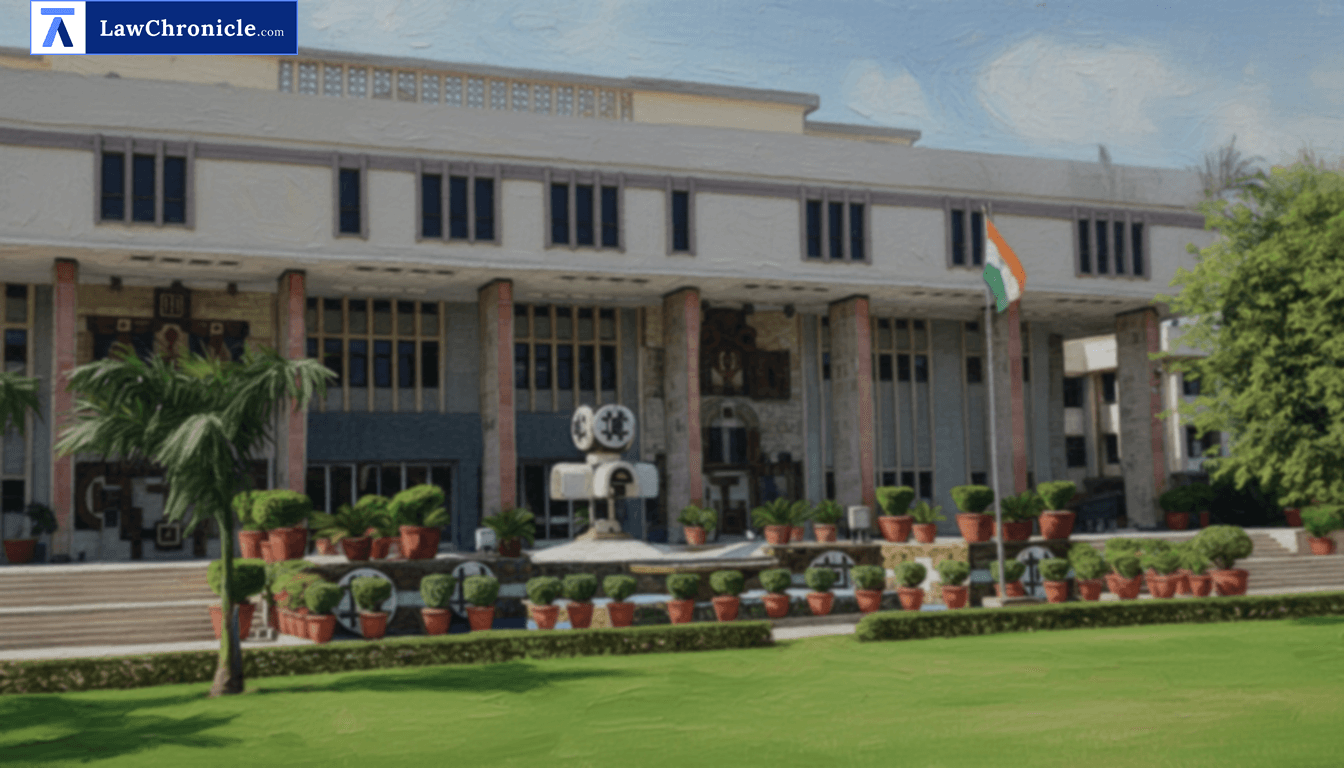
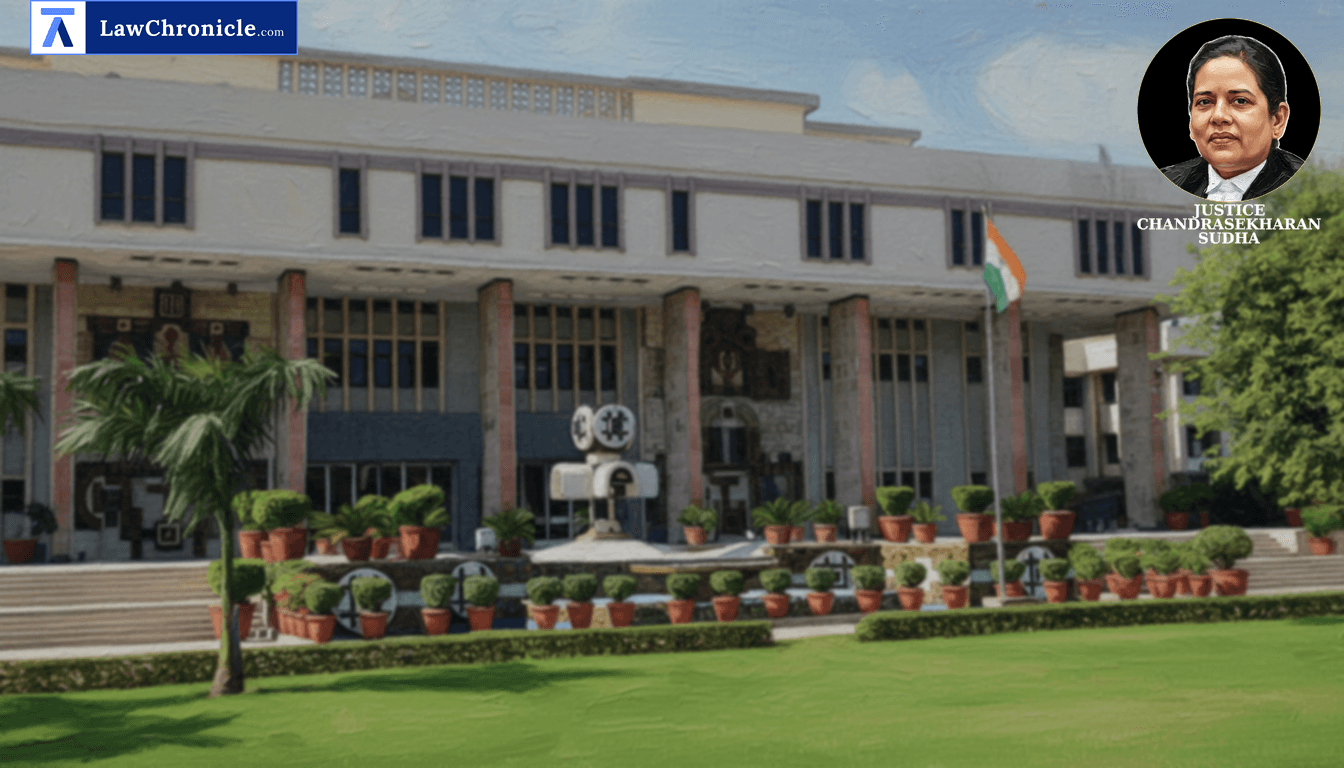
A single‑judge bench of the High Court of Delhi, comprising Justice Chandrasekharan Sudha, heard an appeal under Section 374 Cr.P.C. by the first accused challenging his conviction under Sections 7 and 13(2) of the Prevention of Corruption Act, 1988. The appeal arose from a trial court judgment dated 9 October 2006 which had convicted the appellant for demanding and accepting illegal gratification during a trap operation.
The High Court allowed the appeal and set aside the conviction, holding that the prosecution failed to prove the essential ingredients of demand and acceptance beyond reasonable doubt. The court noted serious inconsistencies in the testimony of the complainant (PW8) and the panch witness (PW6), and observed that the trial court had acquitted the second accused while relying on the same evidence to convict the first accused. The Court, in its reasoning, observed: “The argument that some verification of the complaint ought to have been done by the TLO, appears justified, taking into account the subsequent events that have transpired in this case. PW8 and PW6 do not support the prosecution case, which raises doubts in the mind of the Court regarding the prosecution case. … That being the position, I find that the trial court went wrong in relying on the unsatisfactory evidence on record, relied on by the prosecution to prove the case. In these circumstances, I find that the appellant/ A1 is entitled to the benefit of doubt.” The court directed that the appellant be acquitted under Section 248(1) Cr.P.C., set at liberty and his bail bond cancelled.
Background
The prosecution alleged that on 16 March 1996 the first accused, while working as a Junior Engineer in the DDA Commercial Estate Branch, demanded Rs.5,000 from PW8 for not demolishing a boundary wall of his shop, and later agreed to accept Rs.2,000. PW8 lodged a written complaint on 18 March 1996 and the Anti‑Corruption Branch conducted a trap the same day. Pre‑trap formalities included handing over “treated” currency to PW8, whose serial numbers were recorded in a pre‑raid report. According to prosecution witnesses, after PW8 handed over the currency during the trap, the raiding party recovered the notes from the shirt pocket of the first accused; pocket‑wash and right‑hand wash produced pink coloration on testing.
At trial, the prosecution relied primarily on PW8 (complainant), PW6 (panch witness) and PW10 (trap laying officer). PW8’s written complaint recorded that the JE said “Fine, give only two thousand rupees” and agreed to return on 18 March; in court PW8’s testimony was inconsistent on several particulars and he denied various statements earlier recorded. PW6 stated that he had left the shop briefly to attend nature’s call and did not witness the handing over of money, but later pointed out the accused to the raiding party. PW10 described pre‑trap and post‑trap formalities but did not witness the actual transaction. The trial court convicted A1 and acquitted A2; the trial judge also initiated proceedings against PW8 under Section 344 Cr.P.C. for alleged false evidence.
On appeal the High Court examined the contradictions in the evidence, the absence of an independent eyewitness to the delivery of money, and the lack of prior verification of the complaint before laying the trap. The court considered the submission drawing on Mir Mustafa Ali Hasmi v. State of Andhra Pradesh regarding verification steps in trap cases, but observed that non‑recording of telephonic verification was not inevitably fatal where other materials were reliable. Given the unsatisfactory and conflicting testimony, the High Court found the benefit of doubt to be available to the appellant and acquitted him. The appeal was allowed, the conviction and sentence under Section 13(2) of the PC Act were set aside, and pending applications stood closed.
Case Details: Case No.: CRL.A. 916/2006 & CRL.M.A. 4056/2018 Case Title: Gobind Swaroop Parwani v. State NCT of Delhi Appearances: For the Petitioner(s): Ms. Sonia Mathur, Sr. Advocate with Mr. Shailesh N. Pathak, Mr. Abhinav Garg, Mr. Manwendra Gautam, Mr. Nikhil Chandra, Mr. Radhey S. Janwa, Ms. Safeena Khan and Mr. Sachin Gajwani, Advocates. For the Respondent(s): Mr. Utkarsh, APP for the State with SI Bheem Singh, P.S. Anti‑Corruption Branch, Delhi.
Similar Articles
 Breaking News


