


Victim's heir entitled to prosecute appeal; High Court's cryptic acquittal set aside and matter remanded
 Copy Link
 Share
 Save
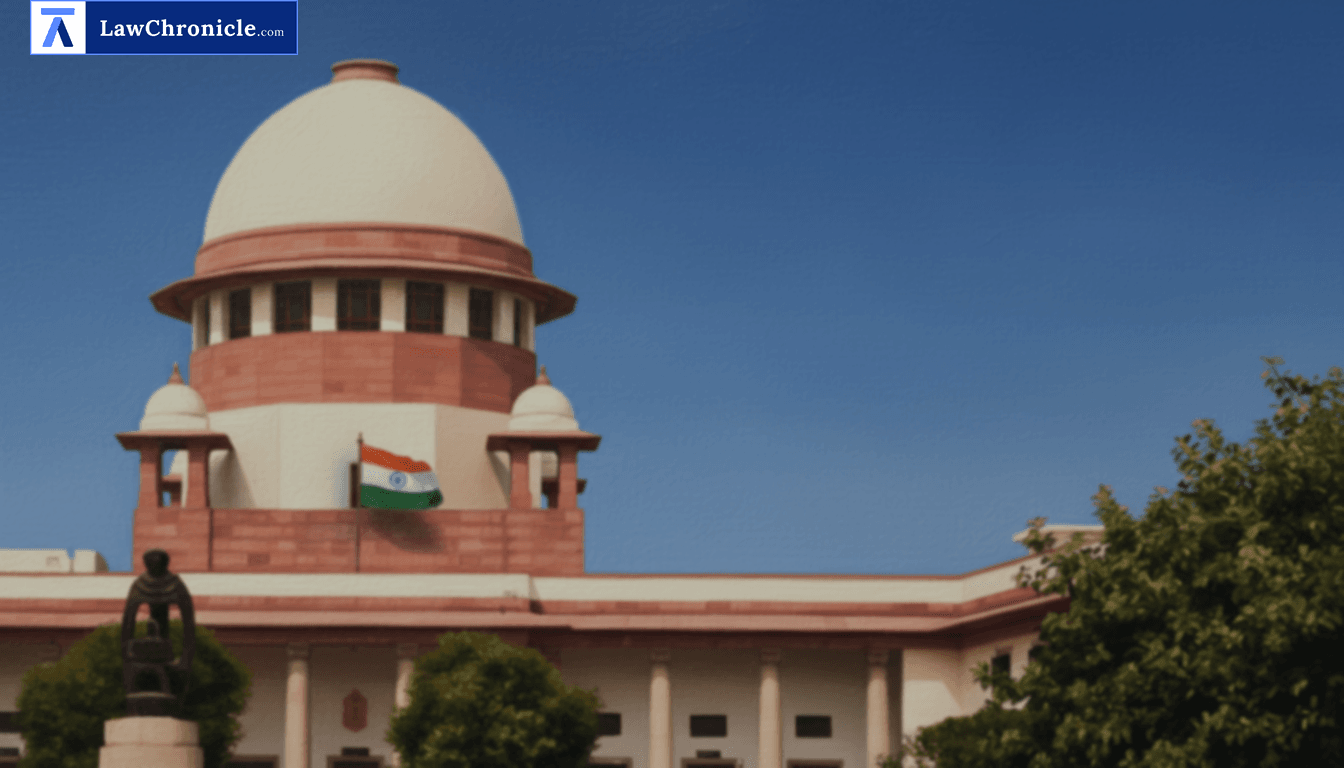
A bench of Justices B.V. Nagarathna and K.V. Viswanathan heard appeals arising from the High Court of Uttarakhand’s common judgment dated 12.09.2012 acquitting three accused in an incident of 1992. The Court considered interlocutory applications by the deceased original appellant’s son seeking setting aside of abatement, condonation of delay and substitution as legal representative to continue Special Leave Petitions converted into Criminal Appeals Nos.1330–1332 of 2017.
The Supreme Court allowed the substitution applications, set aside the abatement, condoned delay and directed that the son be substituted as legal representative and be placed on record to prosecute the appeals. The Court held that the proviso to Section 372 CrPC and the definition of “victim” in Section 2(wa) must be given effect so as to enable victims or their legal heirs to not only “prefer an appeal” but to prosecute it; the appeals were remanded to the High Court of Uttarakhand for fresh hearing on merits because the High Court’s acquittal was “cryptic” and did not adequately apply its mind to evidence. The Court observed the statutory definition that a “‘victim’ means a person who has suffered any loss or injury … and the expression ‘victim’ includes his or her guardian or legal heir.” The Court, in its reasoning, observed: “The expression ‘right to prefer an appeal’ in the proviso to Section 372 CrPC cannot be limited to mean ‘only the filing of an appeal’. Mere filing of an appeal in the absence of prosecution of an appeal is of no avail. It does not fulfill the object with which the proviso has been added to Section 372 CrPC. Therefore, we interpret the expression ‘the right to prefer an appeal’ to also include the ‘right to prosecute an appeal’. Then, if during the pendency of an appeal, the original appellant dies, can it be said that his legal heir cannot be substituted so as to prosecute the appeal further? Any curtailing of the legal right to prosecute an appeal on the death of an original appellant by his legal heir would make the proviso to Section 372 CrPC wholly redundant …”
Background The prosecution case arose from an attack on 09.12.1992 at Jwalapur, Haridwar in which Virendra Singh died and others sustained injuries; three accused were convicted by the Sessions Court in 2004 for offences including Section 302 IPC and sentenced to life. The High Court, by its impugned judgment dated 12.09.2012, allowed first appeals filed by those accused and acquitted them. The original appellant (one of the injured victims) had earlier preferred Special Leave Petitions; he died during pendency. His son filed applications seeking setting aside of abatement, condonation of delay and substitution under the proviso to Section 372 CrPC read with Section 2(wa) (definition of “victim”). The State had not appealed the acquittal but supported substitution.
Respondents-accused argued statutory provisions on abatement (Section 394 CrPC) and contended the proviso to Section 372 did not confer right to prosecute on heirs; the applicant countered that the proviso and the expanded definition of “victim” entitled legal heirs to prosecute appeals and that “prefer” must be read to include “prosecute.” The Supreme Court examined legislative materials, Law Commission reports, and prior precedents (including PSR Sadhanantham and Mallikarjun Kodagali) and found the proviso intended to give victims an independent right of appeal. The Court held the applicant (who was also an injured victim) was entitled to be substituted as legal representative, condoned delay, set aside the abatement and directed filing of an amended memo of parties.
On merits the Supreme Court found the High Court’s acquittal was rendered in a cryptic manner without adequate discussion of evidence and thus set aside that judgment and remanded the appeals to the High Court of Uttarakhand at Nainital for rehearing on merits, while expressly leaving all contentions open. The Court directed that the acquitted persons would remain on bail and ordered each to execute fresh bonds of Rs.15,000 with two sureties and comply with any further conditions imposed by the Principal District and Sessions Judge, Haridwar. The Court requested the High Court to decide the appeals expeditiously in view of the long delay since 1992.
Case Details: Case No.: 2025 INSC 1024 (Criminal Appeal Nos.1330–1332 of 2017) Case Title: Khem Singh (D) through LRs v. State of Uttaranchal (now State of Uttarakhand) & Another etc. Appearances: For the Petitioner(s): Counsel not indicated in the reported order For the Respondent(s): Counsel not indicated in the reported order
Similar Articles
 Breaking News


