


Bombay HC | What will happen to online piracy of Ranbir Kapoor's 'Ramayana'?
 Copy Link
 Share
 Save
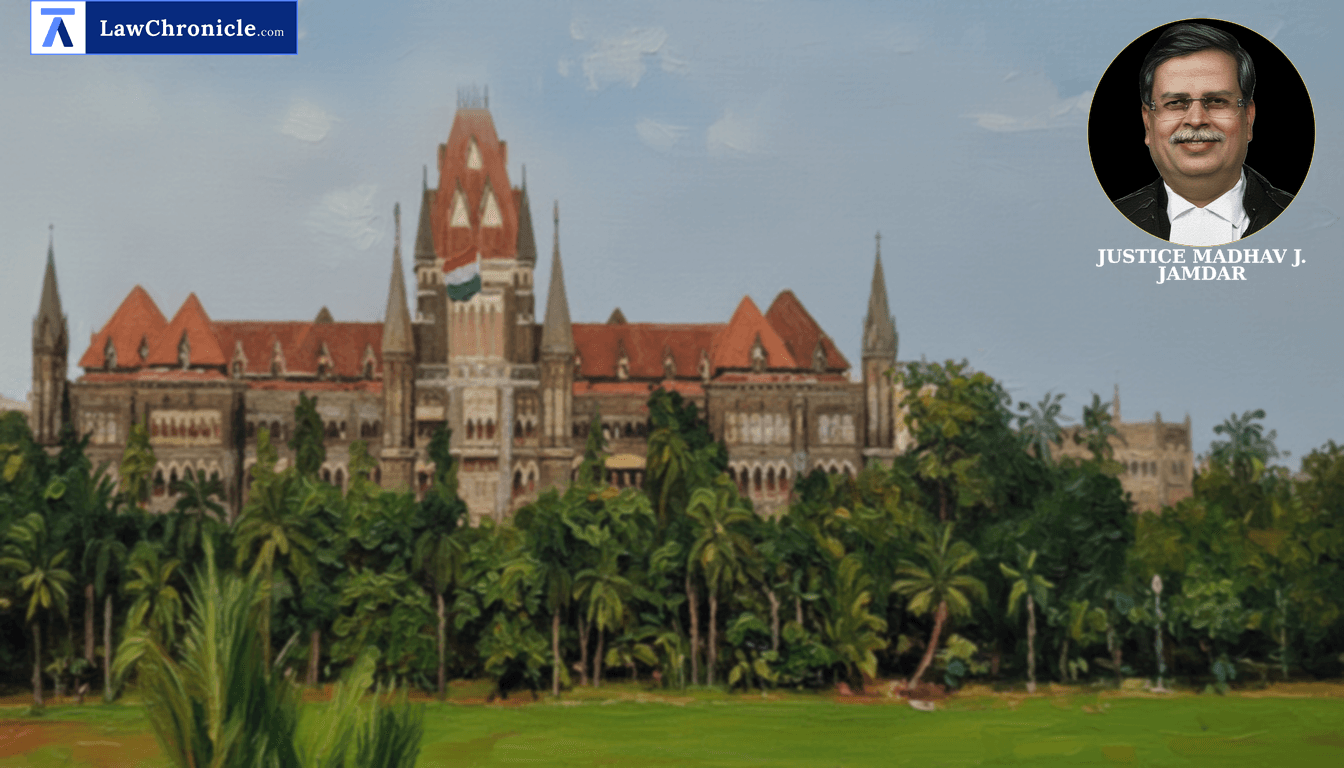
The Bombay High Court has passed a sweeping preventive order to shield the ₹2,000-crore cinematic epic ‘Namit Malhotra’s Ramayana’ from digital piracy, establishing a strict enforcement regime for the immediate blocking of rogue websites and dormant infringing links. This pre-emptive judicial intervention mandates that internet service providers and social media giants act within 36 hours of notification to neutralize unauthorized leaks, securing the commercial sanctity of one of India's most expensive motion pictures prior to its global theatrical release.
A Single Judge Bench of Justice Madhav J. Jamdar presided over the commercial IP suit, which sought urgent ad-interim protection against both existing infringements and apprehended piracy of the highly anticipated film and its underlying works.
Key Takeaways
Pre-emptive Copyright Protection
By entertaining a 'quia timet' action, the court has allowed rights holders to seek judicial remedies based on a well-founded apprehension of injury before the actual release of the content.
Dynamic Blocking Mechanism
The order provides for a 'Dynamic Injunction' allowing the plaintiff to notify additional rogue websites and alphanumeric variants to ISPs and the government for immediate blocking without repeatedly approaching the court.
Liability of Intermediaries
Social media platforms and ISPs are now under a time-bound judicial obligation to remove infringing reels, trailers, and footage within a specific window, placing the onus on platforms to maintain the integrity of licensed content.
Digital Piracy and Financial Stakes
The Bombay High Court took significant note of the massive scale of the production and the vulnerability of such high-budget projects to digital leaks. The plaintiff highlighted that the commercial sustenance of the film depends on its opening theatrical performance, which is directly threatened by a 'single unauthorized copy' appearing in first-releasing territories. The Bench observed the pattern of rogue websites resurfacing under different aliases and the failure of traditional take-down regimes to contain fast-moving digital content.
The Bombay High Court observed that “Prima facie the Plaintiff has real and well-founded apprehension that the Suit film and parts of it will be recorded, uploaded, streamed and otherwise communicated to the public on various platforms. The loss to the Plaintiff once the Suit Film is leaked cannot be undone, quantified or compensated in money.”
Ratio
In cases of high-stakes cinematograph films where there is a demonstrated history of leaks and the presence of dormant infringing links, the court is empowered to grant a quia timet injunction under the Copyright Act, 1957. Such an order can extend to unidentified 'John Doe' defendants and impose a positive obligation on intermediaries and government departments to implement dynamic blocking of infringing URLs to prevent irreparable financial injury to the copyright owner.
Background
The dispute arose when Godpower Media Private Limited, the producer of the film 'Namit Malhotra’s Ramayana', moved the court seeking an injunction against 35 defendants, including unidentified 'John Does', internet service providers (ISPs), and major social media platforms. The plaintiff argued that despite confidentiality agreements at invite-only events, portions of the film's trailers were surreptitiously recorded and circulated online.
The plaintiff's counsel, relying on Section 14, Section 51, and Section 55 of the Copyright Act, 1957, demonstrated that rogue websites often use mirror and proxy variants to bypass earlier blocks. Reference was also made to a recent precedent in Jiostar India Private Limited v. serialmaza.my & Ors., where the Delhi High Court acknowledged the complexity of repeated blocking orders. The Bombay High Court found that the balance of convenience heavily favored the plaintiff, given the film's staggering ₹2,000 crore budget and the 10,000-person global workforce involved in its creation. Consequently, the Bombay High Court granted ad-interim relief to prevent the film's unauthorized communication to the public.
Case Details:
Case No.: INTERIM APPLICATION (L) NO. 37234 OF 2026 IN COMMERCIAL IP SUIT (L) NO. 37230 OF 2026
Case Title: Godpower Media Private Limited Versus John Does and Ors.
Appearances:
For the Petitioner(s): Mr. Ashish Kamat, SR. Advocate, Mr. Rashmin Khandekar, Mr. Aneet Naik, Ms. Madhu Gadodia, Mr. Anand Mohan, Ms. Unnati Gambani & Ms. Vinayika Shahi, Parth Shah, Amartya Mody
For the Respondent(s): Mr. Akshay Ayush a/w Ms. Sneha Jaisingh for Defendant No. 7; Mr. D.S. Patil for Defendant No. 9; Ms. Reeti Shetty for Defendant No. 29.
Source: 2026 CaseBase(BOM) 7145
Similar Articles




 Breaking News


