


Bombay High Court upholds life sentence in axe murder, rejects challenge to pre‑FIR inquest and delay
 Copy Link
 Share
 Save
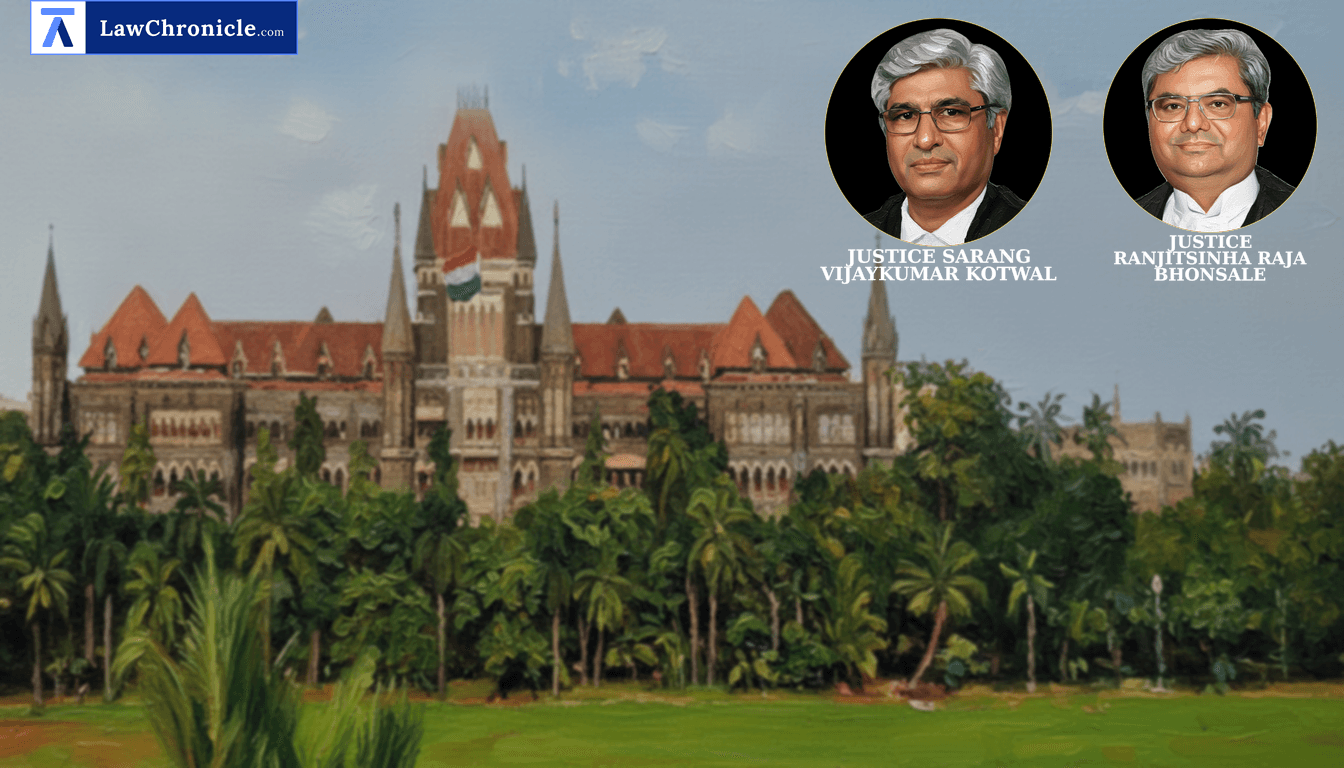
A division bench of Justices Manish Pitale and Shreeram V. Shirsat heard the appeal by Shrikant Kamal Chavan against his conviction for offence under Section 302 IPC and challenged the trial court’s finding as to guilt and several aspects of the investigation, including commencement of inquest and post‑mortem steps before formal registration of the FIR and alleged delay in lodging the complaint.
The High Court dismissed the appeal and upheld the conviction and sentence of life imprisonment with a fine of Rs. 5,000 (in default six months’ R.I.). The Court held that the inquest panchnama and sending of the body for post‑mortem before registration of the FIR did not vitiate the trial in the facts of the case and that the testimony of the eye‑witness (the deceased’s mother) and medical evidence sufficiently corroborated the prosecution case. The Court, in its reasoning, observed: “The Inquest Panchnama is prepared under Section 174 Cr.P.C. ... even if the FIR is lodged after the Inquest Panchnama is done, the same would not be fatal. ... Therefore, the contention of the Ld. Counsel for the Appellant deserves to be rejected.” The Court further noted that “the prosecution has proved the case beyond reasonable doubt” and that delay in registration of FIR and inconclusive chemical analysis did not undermine the ocular and medical evidence.
Background
The case arose from the death of Sangita Shrikant Chavan on the night of 31 March 2019. Her mother, Tarabai Jaywant Rathod, found Sangita lying in a pool of blood with a chop injury to the neck and saw the appellant — Sangita’s husband — running away. On her complaint, Crime No.219 of 2019 was registered on 1 April 2019 under Section 302 IPC. The appellant was arrested on 4 April 2019 from Vijapur, Karnataka. At trial the prosecution examined five witnesses including the informant (PW‑1), a panch witness (PW‑2), the medical officer who performed the post‑mortem (PW‑3) and investigating officers (PW‑4 and PW‑5). PW‑3 opined that the chop injury on the left side of the neck was ante‑mortem, bone‑deep, caused fracture of the second cervical vertebra and was sufficient in the ordinary course of nature to cause death, and that such injury could be caused by an axe. Panchanama and seizure of an axe, shirt and plastic talwat were recorded and photographed.
The appellant contended that he was falsely implicated, pointed to delay in FIR registration (FIR recorded at 11:29 a.m. on 1 April), alleged that investigation commenced before formal FIR registration and relied on a plea of alibi. He also argued that the prosecution examined only a limited number of witnesses and that chemical analysis of blood on the shirt was inconclusive. The State submitted that prompt steps had been taken to preserve and forward the body for post‑mortem and to seize material, and that the informant was a natural and reliable witness who had seen the accused flee the scene.
The Court analysed precedent on delay in FIR and commencement of investigation before FIR, including Supreme Court authorities, and held that inquest proceedings under Section 174 Cr.P.C. were not evidence and did not automatically vitiate the prosecution. It found that the informant had no motive to falsely implicate the appellant, that her testimony was consistent and corroborated by medical evidence and recovery of the weapon, and that the plea of alibi was not substantiated. The Court rejected arguments based on the limited number of witnesses and the inconclusive chemical report, remarking that “it is the quality of the evidence that is important and not the quantity.” The appeal was therefore dismissed and conviction and sentence were affirmed. Pending applications were disposed of.
Case Details:
Case No.: Criminal Appeal No. 762 of 2021
Case Title: Shrikant Kamal Chavan v. The State of Maharashtra
Appearances:
For the Petitioner(s): Ms. Anjali Patil a/w Mr. Tohin Shaikh
For the Respondent(s): Dr. Dhanlakshmi S. Krishnaiyer, APP
Source: 2026 CaseBase(BOM) 73
Similar Articles

 Breaking News


